India’s Semiconductor Push: From Setbacks to AI Chip Future
By Business Desk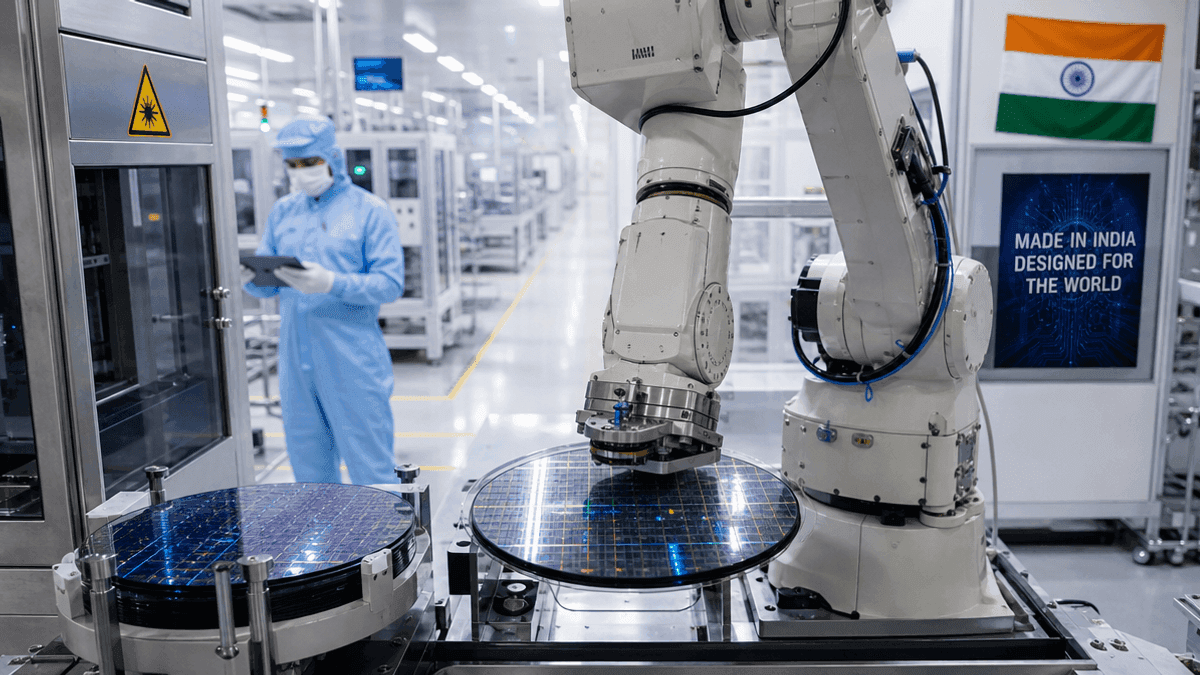
Discover how India’s semiconductor manufacturing is accelerating with major investments from Tata and Micron, and why experts urge an AI pivot.
Momentum Builds in India’s Chip Sector
India’s semiconductor sector is gaining momentum, moving past early setbacks like the failed Foxconn-Vedanta deal. Significant developments are reshaping the industrial landscape as new facilities prepare for future production.
- Tata Electronics facility in Dholera is slated for 2028.
- Micron Technology plant in Sanand is expected to process millions of chips by 2027.
- Rs 1 lakh crore in new investments is currently on the horizon.
These large-scale projects demonstrate clear signs of growth for the domestic market. However, strategic direction remains a critical point for long-term success.
The Pivot Toward Advanced AI Production
The core challenge lies in moving past basic manufacturing to capture higher-value segments of the global supply chain. Analysts argue that staying grounded in older technologies will limit competitive advantages.
- Production focus currently includes older 90nm process chips used in basic machinery.
- Global competitiveness requires a pivot toward advanced, high-demand AI chips.
- India already holds a strong baseline advantage with 20% of the global chip-design workforce originating from the country.
Capitalizing on this existing talent pool while streamlining government support for critical resources like water can accelerate domestic development. By taking these targeted steps, India can avoid the slow, multi-decade path taken by other nations.