India’s Energy Transition & Economic Redistribution
By Business Desk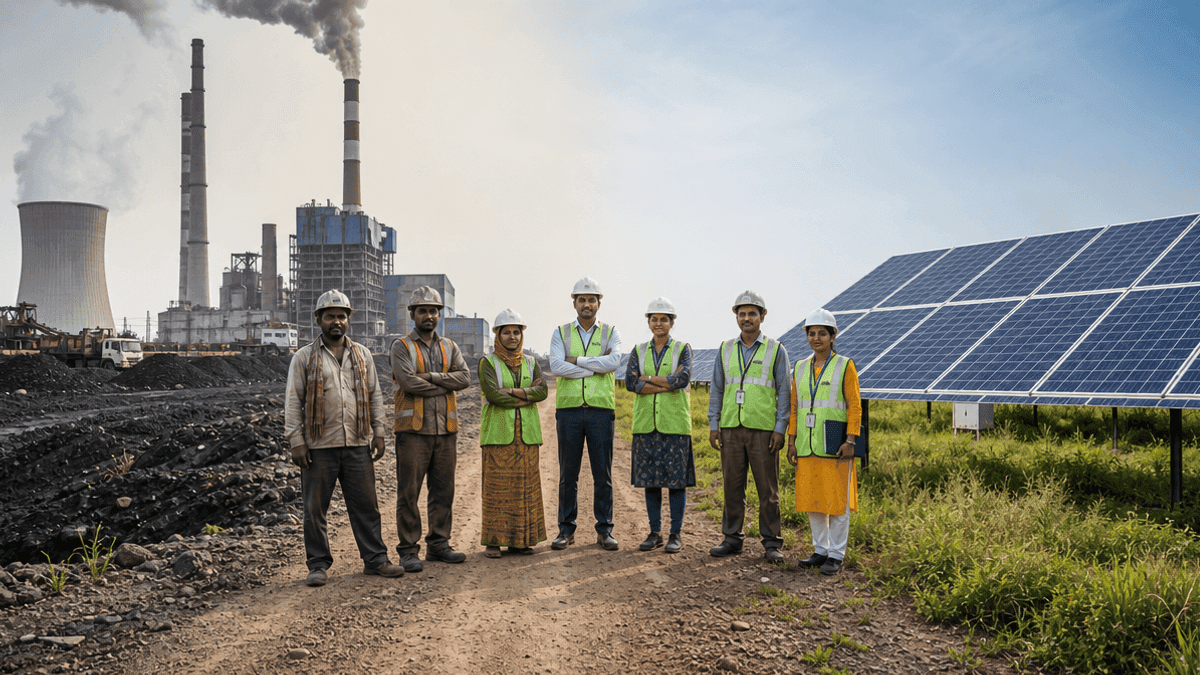
Explore how India navigates its sustainable energy transition while balancing green infrastructure investments, socio-economic equity, and coal region jobs.
India faces multifaceted challenges as it accelerates its transition toward sustainable energy sources. The shift is essential for environmental goals, yet it carries significant socio-economic implications regarding the redistribution of wealth and resources.
The Core Framework of a Just Transition
A just transition is critical to ensuring that communities currently reliant on fossil fuels are not left behind in the process. Policymakers must implement deliberate frameworks to protect vulnerable populations while reshaping the national energy grid.
The strategic approach involves specific focal areas:
Creating new employment opportunities for workers dependent on traditional energy sectors.
Investing heavily in green infrastructure to support long-term sustainable growth.
Implementing specific policy frameworks that protect vulnerable populations from economic displacement.
Integrating Economic Planning with Climate Action
The overarching strategy integrates economic planning directly with climate action to safeguard equitable outcomes. Sharing the benefits of the energy transition fairly across the entire nation remains a primary objective.
Balancing environmental targets with regional economic realities requires continuous oversight and targeted interventions. Authorities must harmonize national climate ambitions with local social safeguards to maintain stability.