How KPMG Uses AI in Forensic Data Analytics
By Business Desk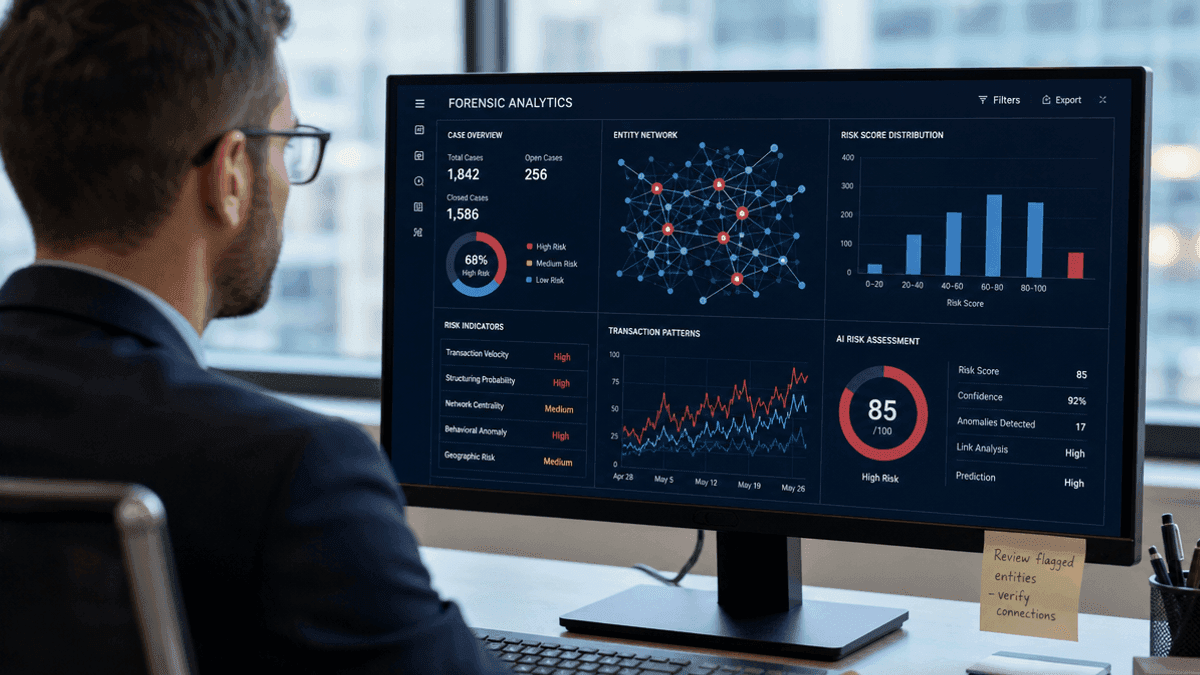
Discover how KPMG integrates artificial intelligence into its Forensic Data and Analytics practice to enhance risk management and client advisory.
Artificial intelligence is reshaping corporate strategy and operations inside major professional services firms. The integration of advanced technology allows practices to handle complex challenges with greater speed and precision.
The Core Strategy Behind AI Integration
Technology deployment within the Forensic Data and Analytics practice changes how professionals process intricate information pools. Instead of relying solely on traditional methods, the team uses automated tools to elevate operational output.
- Advanced AI tools process vast amounts of complex data for professionals.
- Pattern recognition helps teams identify anomalies and potential risks more effectively.
- Routine task automation frees up bandwidth for high-level strategy.
By shifting away from manual tasks, practitioners direct their attention toward high-value client advisory work. This operational pivot alters how corporate entities tackle intricate compliance frameworks.
Delivering Strategic Insights and Proactive Compliance
Client engagements benefit directly from these technological upgrades through accelerated investigations and heightened accuracy. Organizations leverage these data-driven insights to navigate risk management proactively rather than reactively.
Ultimately, this technology-driven approach empowers clients to make fully informed decisions regarding compliance and risk management. The strategic deployment of automated data processing redefines standards across the sector.