EU Waste Rules Threaten India Metal & Plastic Scrap Imports
By Business Desk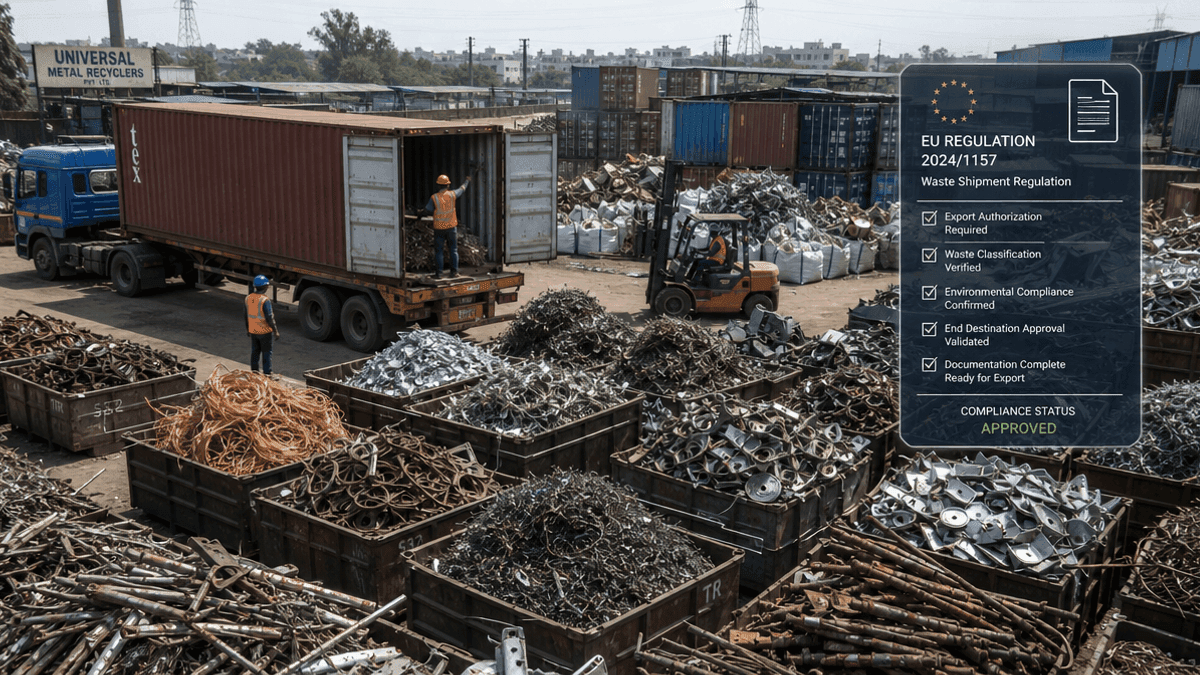
New EU waste export regulations could halt metal and plastic scrap imports to India, enforcing strict environmental and processing standards.
The European Union is advancing a legislative proposal aimed at tightening controls on the export of waste to non-EU countries, with India being a major focal point. This new framework intends to restrict the shipment of plastic and other waste materials to nations that fail to meet strict environmental and social standards for processing.
How the New EU Waste Framework Operates
Under the proposed regulations, the export of waste will face rigorous limitations to ensure destination countries can manage materials sustainably. The system is designed to address specific environmental challenges through targeted measures.
Key elements of the proposed EU waste export framework include:
Restricting shipments of plastic and other waste materials to non-compliant nations.
Enforcing strict environmental and social standards for processing exported materials.
Preventing European waste from contributing to pollution and health hazards in developing nations.
Targeting informal, unregulated sectors where such materials are frequently handled.
Economic Impacts on Indian Industries
The legislative move hopes to promote a circular economy and ensure that exported waste is managed sustainably across global supply chains. However, the proposal poses significant economic implications for industries in India that rely on these imports for raw materials.
By halting the flow of materials into unregulated recycling sectors, the policy directly impacts how Indian industries source their inputs. The potential ban alters trade dynamics for scrap materials between the two regions entirely based on environmental compliance.