Mutual Fund Alpha & SEBI Regulatory Compliance Guide
By ThePip Desk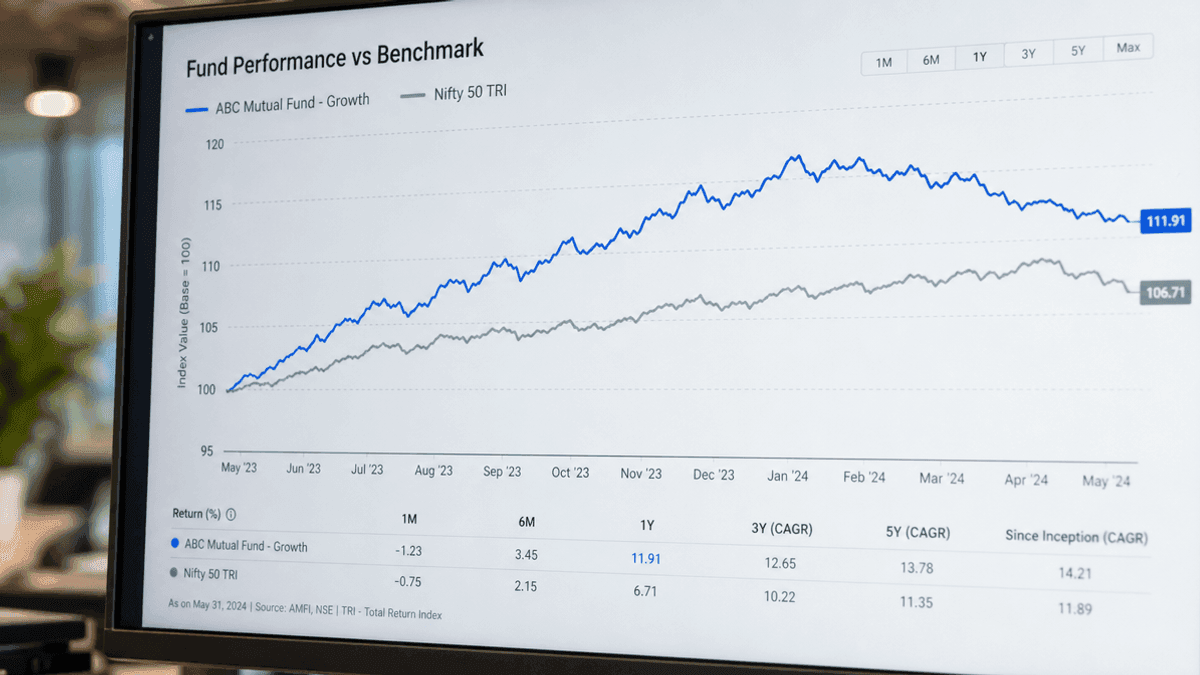
Explore how mutual funds evaluate alpha, navigate SEBI regulatory accounting challenges, and manage brokerage and expense ratios in India.
The mutual fund industry navigates a dual landscape of performance evaluation and regulatory compliance. Industry experts emphasize the difficulty of achieving consistent alpha while engaging with the Securities and Exchange Board of India.
Navigating Performance and Regulatory Compliance
Asset management companies and fund managers face dual pressures across market performance and regulatory frameworks. The current environment requires balancing strict reporting demands with operational efficiency.
Key focus areas currently include:
Evaluating mutual fund alpha and benchmark performance.
Navigating SEBI regulatory compliance measures.
Managing brokerage and expenses ratio structures.
Understanding Alpha and Fund Manager Skill
Alpha represents the excess return a mutual fund generates over its benchmark index. It serves as a key metric for evaluating a fund manager’s skill.
Investors seek funds with high alpha figures. However, consistently outperforming the market remains challenging due to market efficiency, high costs, and difficulty in timing the market.
Why Outperforming Benchmarks Remains Hard
Many funds fail to sustain alpha over the long term. Funds frequently revert to the mean or underperform after accounting for expenses.
Advisors urge investors to look beyond past alpha. Proper evaluation requires focusing on key underlying operational metrics instead of historical outperformance.
Important evaluation factors include:
A fund’s distinct investment strategy.
Overall operational consistency.
Robust risk management practices.
Prioritizing these strategic fundamentals helps navigate the dual landscape of performance evaluation and regulatory accounting challenges.