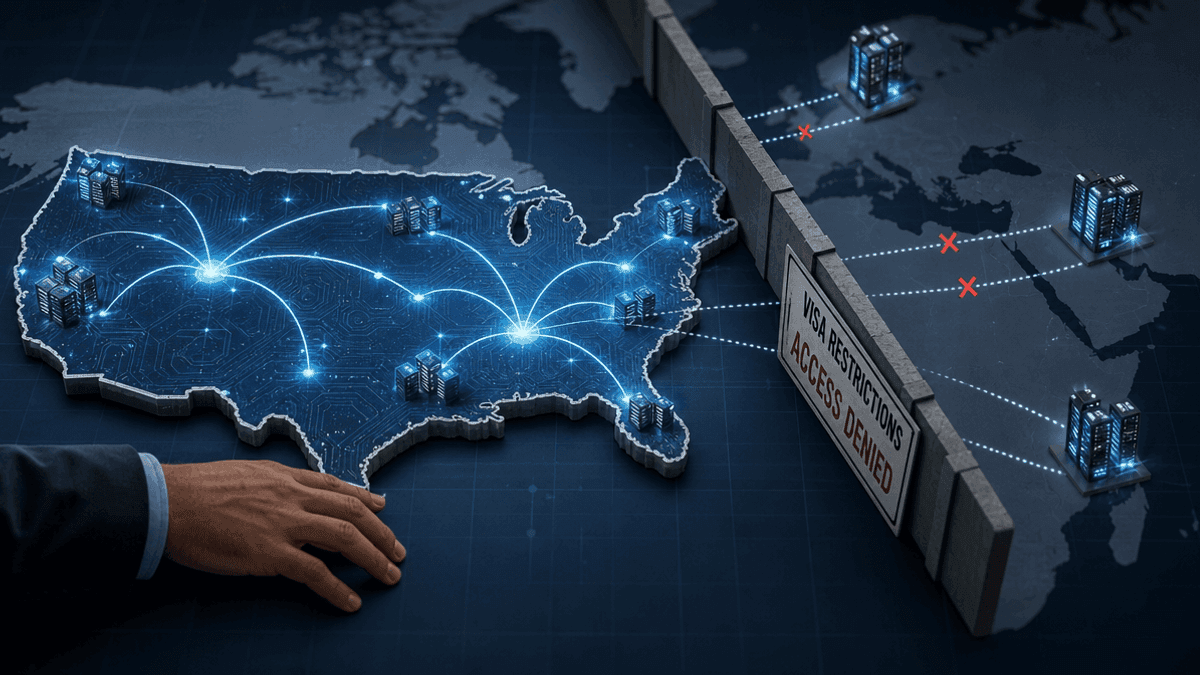
Discover how H-1B visa restrictions stifle U.S. innovation, drive top tech talent abroad, and weaken America’s global economic competitiveness.
Policies aimed at restricting H-1B visas represent a strategic error for the United States, acting as a self-inflicted wound rather than a benefit to the domestic workforce. By limiting access to high-skilled foreign labor, the U.S. risks undermining its own technological leadership and long-term economic growth.
The Mechanics of Recent Restrictions
The administration has targeted high-skilled immigration through policy adjustments designed to curb perceived abuse of the system. These measures aim to protect domestic jobs but fundamentally alter how firms operate.
Key aspects of the restrictive framework include:
- Policies championed by Donald Trump to restrict the entry of high-skilled foreign labor.
- Protectionist measures that discourage investment and force companies to relocate operations abroad.
- Efforts that drive top-tier talent to competing nations rather than benefiting the domestic workforce.
The author emphasizes that these workers are essential for filling critical skill gaps in the tech sector, fostering innovation, and maintaining the global competitiveness of American firms. Instead of protecting domestic jobs, the piece suggests that such protectionist measures ultimately weaken the U.S. economy.
Economic Implications and Innovation Risks
While proponents argue these rules protect domestic jobs and prevent wage suppression, critics warn that the measures produce the opposite effect. Restricting access to essential talent forces companies to reconsider their geographic footprint.
If tech firms cannot bring top-tier global talent into the United States, they will relocate research and development operations to competing nations. This shift threatens to drain valuable tax revenue, stall domestic innovation, and erode the competitive edge of American firms on the global stage.