Make in India Turns 12: Economic Impact & Metal Prices
By Business Desk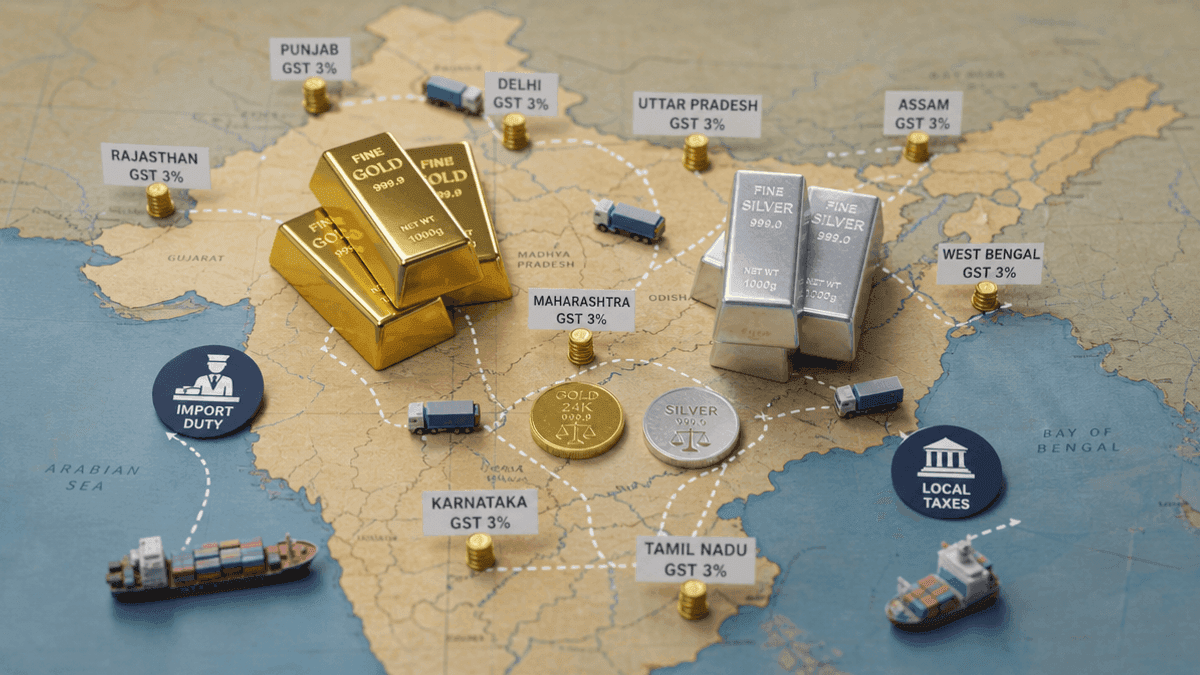
Discover the impact of 12 years of Make in India and explore the key factors driving gold and silver price disparities across regions in India.
Celebrating 12 years of the Make in India initiative, the Government of India report highlights the long-term industrial impact of transforming the manufacturing sector and fostering economic growth. Alongside these structural industrial developments, the economic landscape encompasses critical market dynamics in precious metals across the country.
Precious Metals Market Dynamics
Gold and silver prices in India are not uniform across the country due to several key factors that influence regional markets. Consumers face varying rates depending on logistics, local levies, and structural metal composition across different cities.
Primary Cost Drivers And Purity
Transportation expenses play a major role in regional pricing as precious metals are imported and distributed nationwide. Cities located further from ports incur higher logistics expenses, which directly affect the final retail cost for buyers.
Local state taxes, octroi, and varying demand-supply dynamics in different markets contribute further to price disparities across India. The purity of the metal is another critical factor, with gold typically measured in karats and 24K representing the purest form.
Association Rates And Consumer Outlook
Prices fluctuate based on karatage because lower purity gold contains other metals, thereby reducing its overall value. Local jeweler associations also set daily rates while international market trends remain essential elements that consumers should consider before making any purchase.