India Kharif Sowing Recovers in July, Easing Food Price Worries
By ThePip Desk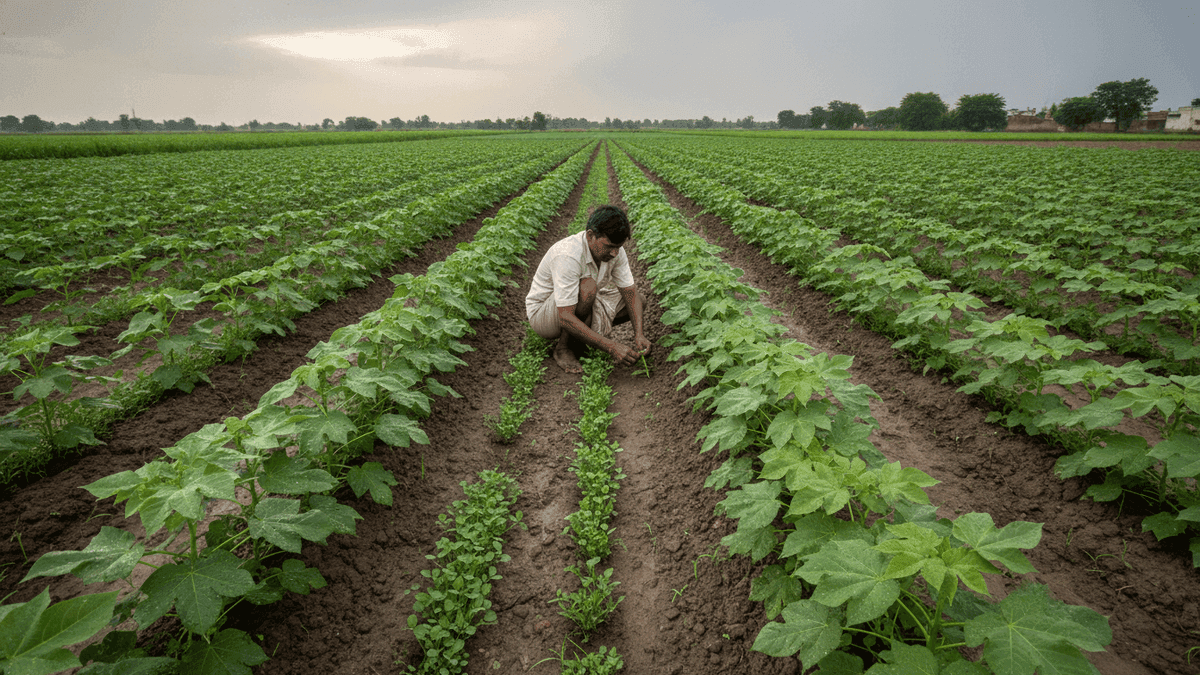
India’s kharif planting rebounds in July after a dry June, boosting hopes for stable food prices and agricultural output. Learn about the recovery.
India’s kharif planting has staged a significant recovery in July, mitigating the impact of the driest June in 12 years. This positive trend offers optimism for easing pressure on food prices, provided rainfall patterns remain favorable.
The preceding month saw a severe deficit, leading to initial concerns regarding agricultural output and farmer livelihoods. The subsequent rainfall in July was thus critical for the viability of the ongoing sowing season.
Sowing Progress Across Key Crops
This rebound in agricultural activity follows improved rainfall across the country last month, helping farmers overcome the prior dry conditions. Agriculture Secretary Atish Chandra confirmed that the sowing of most major kharif crops is advancing effectively.
- Pulses
- Oilseeds
- Cotton
While some crops still register less acreage compared to the previous year’s levels, other crucial varieties have seen an increase in planted areas. The overall recovery in sowing is a crucial indicator for the nation’s agricultural output.
Implications for Food Prices
The robust progression of kharif sowing directly influences the supply side of India’s food economy. A successful planting season typically leads to better harvests, which can temper inflationary trends on essential food commodities.
Sustaining this momentum requires continued supportive rainfall patterns through the remainder of the monsoon season. This ongoing climatic support is vital for translating current sowing progress into a stable harvest and ensuring price stability across markets.