India Boosts Defense: Modernization & Domestic Manufacturing
By Business Desk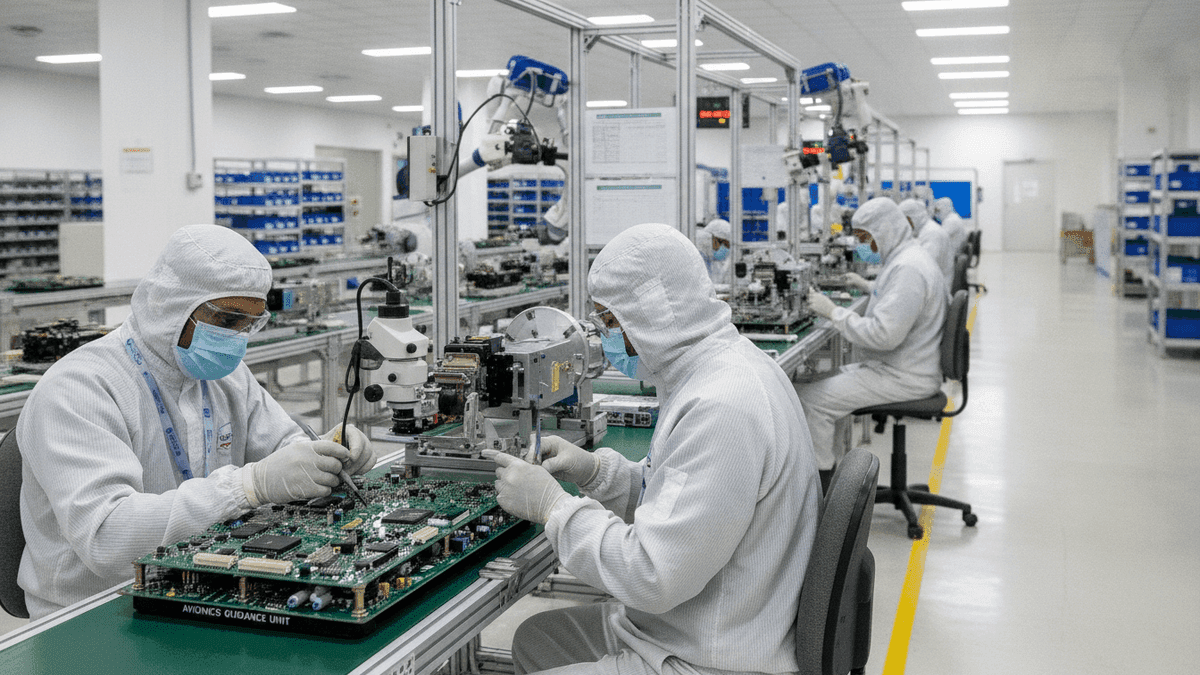
Defence Minister Rajnath Singh highlights military modernization and increased investment in India’s domestic defense manufacturing sector, aligning with ‘Atmanirbhar Bharat’.
Defence Minister Rajnath Singh reaffirmed the government’s commitment to military modernization on July 26, 2026, during his address in Dras commemorating Kargil Vijay Diwas. He highlighted the persistent need to strengthen the Indian Army’s capacity, enabling it to respond effectively to tactical challenges from infiltrators, reminiscent of the 1999 conflict, through enhanced technology and training.
This modernization strategy involves a substantial increase in advanced equipment procurement. A core focus lies on sourcing from domestic manufacturers, aligning with the ‘Atmanirbhar Bharat’ (self-reliance) initiative.
Domestic Manufacturing and Investment Signals
This policy shift provides long-term order visibility for Indian defense companies. Firms specializing in electronics, shipbuilding, aerospace, and specialized ammunition stand to benefit significantly.
Government capital allocation therefore serves as a crucial indicator for investors eyeing this sector. The Indian defense industry is experiencing heightened activity as the government reduces its reliance on foreign imports.
Companies within this sector are actively working to fulfill extensive order books that often span several years. Investors closely monitor the execution capabilities of these firms, as any delays in delivering complex defense hardware can directly impact profit margins and cash flow.
Challenges and Future Outlook for Defense Firms
Regulatory approvals and consistent policy continuity heavily influence the industry’s performance. Government budget announcements and procurement updates consequently become significant events for market participants.
Despite strong government backing, the sector faces distinct challenges. These include managing intricate supply chain logistics and controlling substantial research and development costs to maintain profitability.
Investors are keen to assess whether increased revenue ultimately translates into improved return on equity, or if high technology development spending pressures overall margins. Additionally, growing competition from new private sector players may affect market share for established companies over time.
Future updates on specific contract awards and the pace of capacity expansion will remain key factors for market participants to observe. This ongoing governmental push ensures a dynamic but challenging landscape for domestic defense manufacturers.