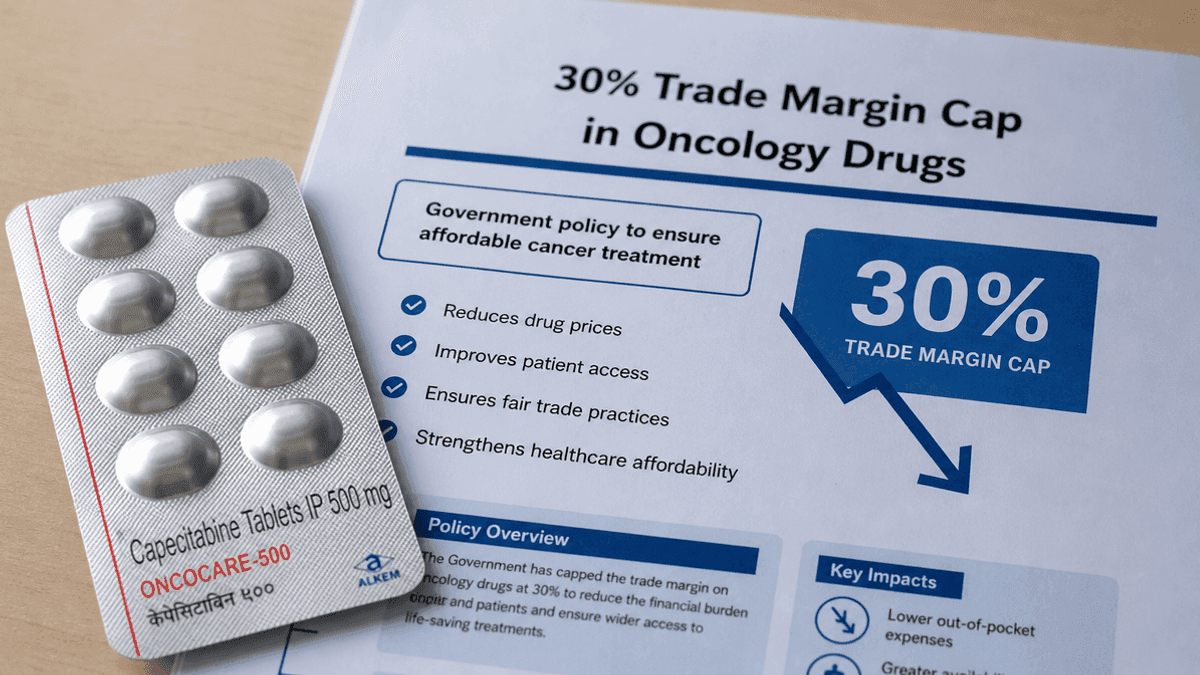
Discover how the Indian government’s proposed 30 percent trade margin cap on cancer drugs aims to reduce healthcare costs and improve affordability.
The Indian government is actively exploring a policy to implement a 30 percent cap on trade margins for cancer drugs. This initiative is designed to address the high costs of oncology treatments by limiting the profit margins that intermediaries can add to the manufacturer’s price.
Understanding the Margin Cap Proposal
By curbing these excessive markups, the government intends to make essential cancer therapies more accessible and affordable for patients across the country. This regulatory step is part of a broader effort to manage healthcare costs and ensure that life-saving medications are not prohibitively expensive due to supply chain pricing practices.
Intermediaries such as wholesalers and retailers add significant profit margins to the manufacturer’s price. Capping these trade margins at 30 percent directly targets the additional costs accumulated along the supply chain. This mechanism aims to lower out-of-pocket expenses for patients who require life-saving treatments.
Broader Regulatory Context
The regulatory step forms part of an ongoing effort by authorities to manage overall healthcare costs in India. Supply chain pricing practices have historically driven up the retail prices of oncology treatments. The proposed policy directly addresses this issue by imposing strict limits on intermediary markups.
Making essential cancer therapies more accessible remains a primary focus of the government’s healthcare agenda. Through these measures, authorities hope to alleviate the financial burden borne by patients seeking critical medical care.