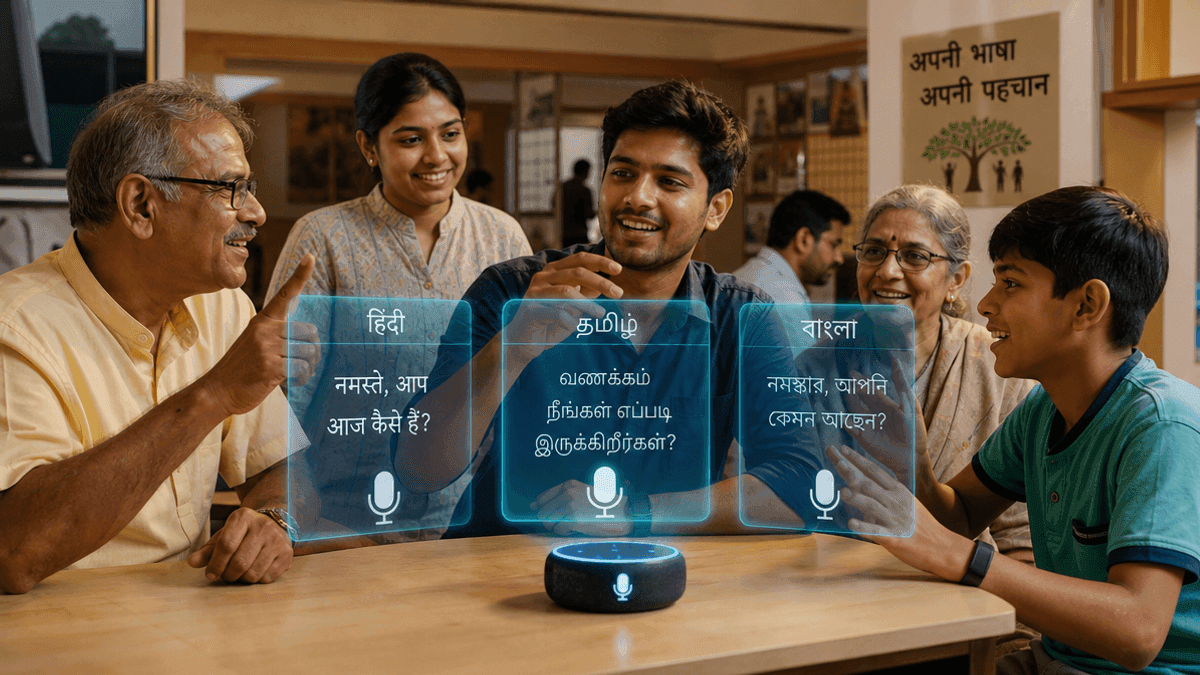
Discover how vernacular AI models and voice interfaces are breaking language barriers in India, empowering non-English speakers to join the tech sector.
Artificial intelligence in India will succeed when it dismantles the English-language barrier that has historically restricted entry into the technology sector. Voice interfaces and vernacular language models enable individuals who do not speak English to engage in coding and technical tasks.
Bridging the Digital Divide
This technological shift opens digital entrepreneurship to a vast talent pool across the country. Linguistic fluency will no longer define technological capability, replacing it with human ingenuity and intent.
The shift aims to dismantle the English-centric hierarchy that limits economic and intellectual opportunities. English has long acted as a restrictive entry ticket to elite education and employment.
Building Direct Regional Communication
Current translation systems often rely on English as an intermediary between Indian languages. Future AI infrastructure aims to enable direct communication between native Indian languages.
- Vernacular interfaces help bridge the digital divide for non-English speakers.
- Technical tasks and coding become accessible through voice-first capabilities.
- Innovation is democratized across a vast talent pool.
Overcoming these barriers will reshape the future of digital inclusion across India. Human ingenuity and intent will define technical capability rather than linguistic fluency.