Bombay House Power Dynamics: Noel Tata & N. Chandrasekaran
By Business Desk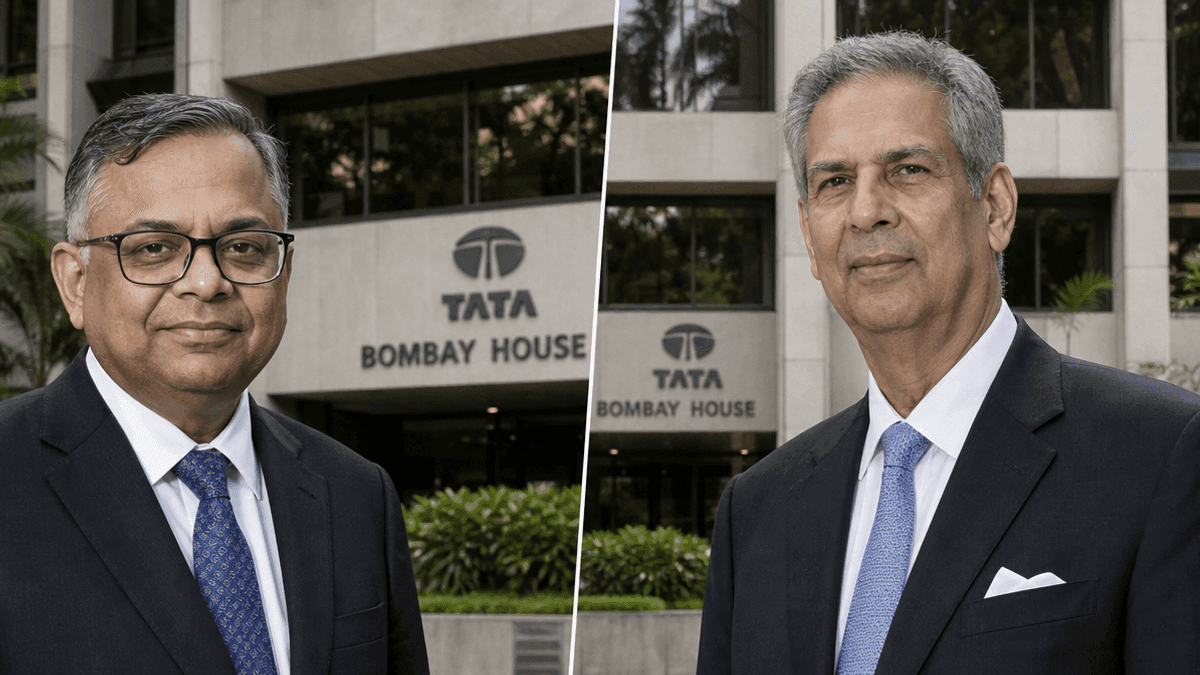
Explore the internal governance, leadership transition, and strategic power dynamics at Bombay House involving Noel Tata and N. Chandrasekaran.
Bombay House serves as the nerve center for the Tata Group, where internal power dynamics and governance continue to shape India’s corporate landscape. Recent narratives focus heavily on the leadership transition and the intricate relationship between key figures steering the conglomerate.
Navigating Leadership at Bombay House
Understanding the strategic direction of the group requires looking closely at the interactions between executive leadership and family legacy stakeholders. The conglomerate constantly balances corporate governance with traditional influence at its headquarters.
- Chairman leading the strategic direction: N. Chandrasekaran
- Key family legacy figure: Noel Tata
- Central headquarters for operations: Bombay House
These internal mechanics dictate how the organization manages its vast portfolio across various sectors. Observers closely monitor these shifts to understand how traditional corporate houses adapt to modern strategic demands.
Strategic Implications for the Conglomerate
The interplay between individual leaders and institutional governance defines the trajectory of the entire group. Stakeholders rely on these administrative structures to maintain stability and long-term growth.
- Core focus area: Internal governance and stakeholder influence
- Primary operational hub: Bombay House
Ultimately, the ongoing developments at the corporate headquarters highlight the complex balance between maintaining heritage and executing modern corporate strategy.