Tata Sons IPO Standoff Tests RBI Authority & Regulations
By Business Desk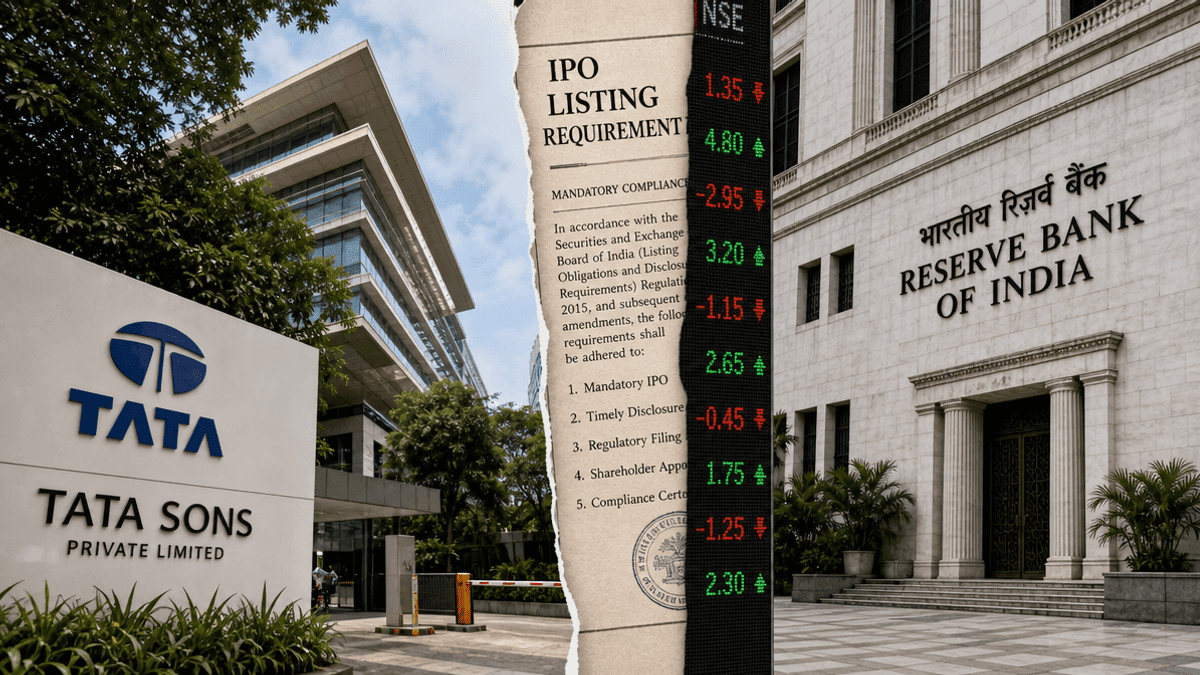
Discover how the regulatory standoff between Tata Sons and the Reserve Bank of India over a mandatory IPO tests central bank authority and financial rules.
Tata Sons and the Reserve Bank of India are locked in a high-stakes regulatory dispute centered on a mandatory public stock exchange listing. The central bank classified India’s largest conglomerate as an upper-layer non-banking financial company.
The Core Regulatory Conflict
This upper-layer designation requires the firm to list on public stock exchanges by a specific deadline. Tata Sons has sought to avoid this mandatory initial public offering.
Corporate Arguments and Central Bank Stance
The company argues that its core business is not financial services and that the requirement imposes unnecessary burdens on its corporate structure. The Reserve Bank of India remains firm in enforcing its regulations.
The central bank emphasizes that these rules ensure systemic stability and transparency for large, interconnected financial entities. The situation tests the regulatory reach of the Reserve Bank of India and its willingness to challenge a powerful corporate house.
Precedent and Systemic Implications
The outcome sets a critical precedent for managing large conglomerates and enforcing compliance across the financial sector. It balances corporate autonomy against the need for rigorous oversight.