India Boosts Financial Literacy via NCERT & India Post
By ThePip Desk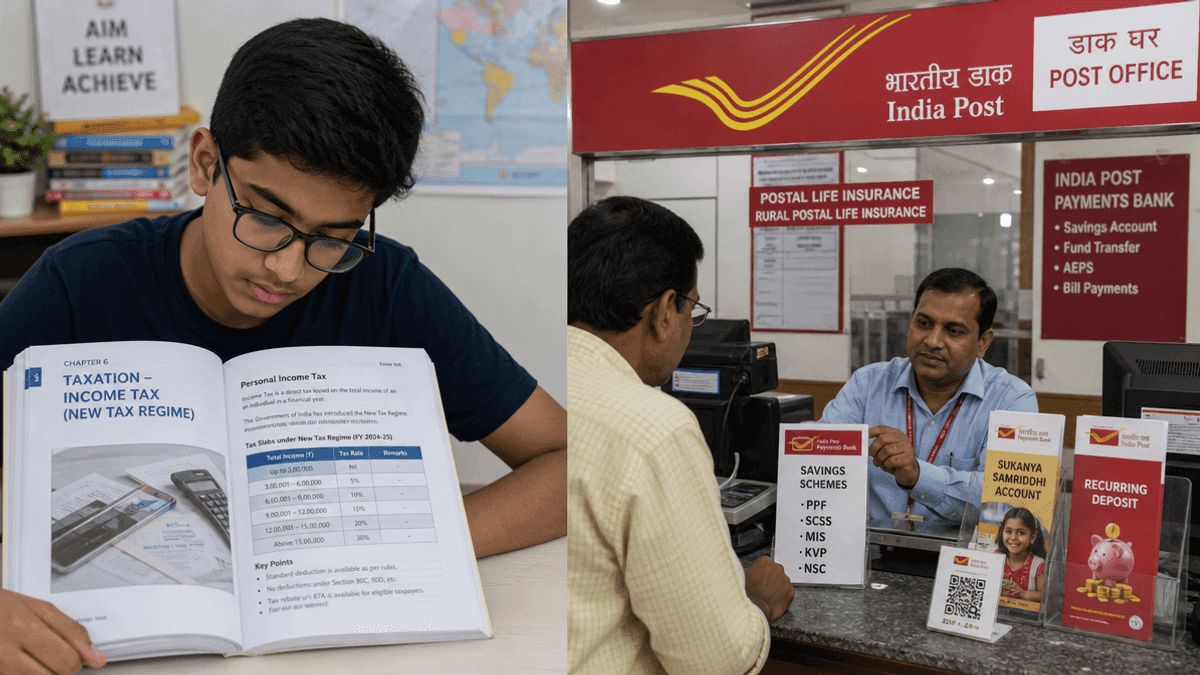
Discover how India is advancing financial literacy by adding personal tax to the Class 9 curriculum and launching a nationwide India Post campaign.
India is taking significant steps to bolster financial literacy and inclusion through two major initiatives involving educational reform and grassroots outreach. The National Council of Educational Research and Training has integrated personal income tax concepts into the new Class 9 Social Science textbook titled ‘Understanding Society: India and Beyond’.
Curriculum And Outreach Frameworks
The updated curriculum features a chapter titled ‘Managing Your Personal Finances’ which focuses exclusively on the new tax regime. Simultaneously, India Post has announced a nationwide special campaign scheduled to run from October 2 to October 5, 2026, to boost financial inclusion in rural and semi-urban areas.
During the special campaign period, post offices will focus on enrolling new customers into various government-backed savings schemes and banking services. Staff will be available to assist citizens with account openings, KYC updates, and financial literacy guidance.
Key Initiatives And Focus Areas
The core components of these financial literacy and inclusion efforts span educational and postal networks across the nation.
- NCERT Textbook: The new Class 9 book incorporates tax slab calculations under the new tax regime and frames paying taxes honestly as a civic responsibility for nation-building.
- India Post Campaign: Scheduled from October 2 to October 5, 2026, to make essential financial services more accessible.
- Savings Schemes: Post offices will enroll customers into the Public Provident Fund, Sukanya Samriddhi Yojana, and National Savings Certificates.
- IPPB Services: The campaign aims to increase adoption of India Post Payments Bank digital banking, Aadhaar-enabled payment systems, and insurance products.
These coordinated measures bridge early education in taxation with practical, direct access to postal financial services for citizens.