Home Loan Rates Set to Rise: Fixed vs Floating Explained
By ThePip Desk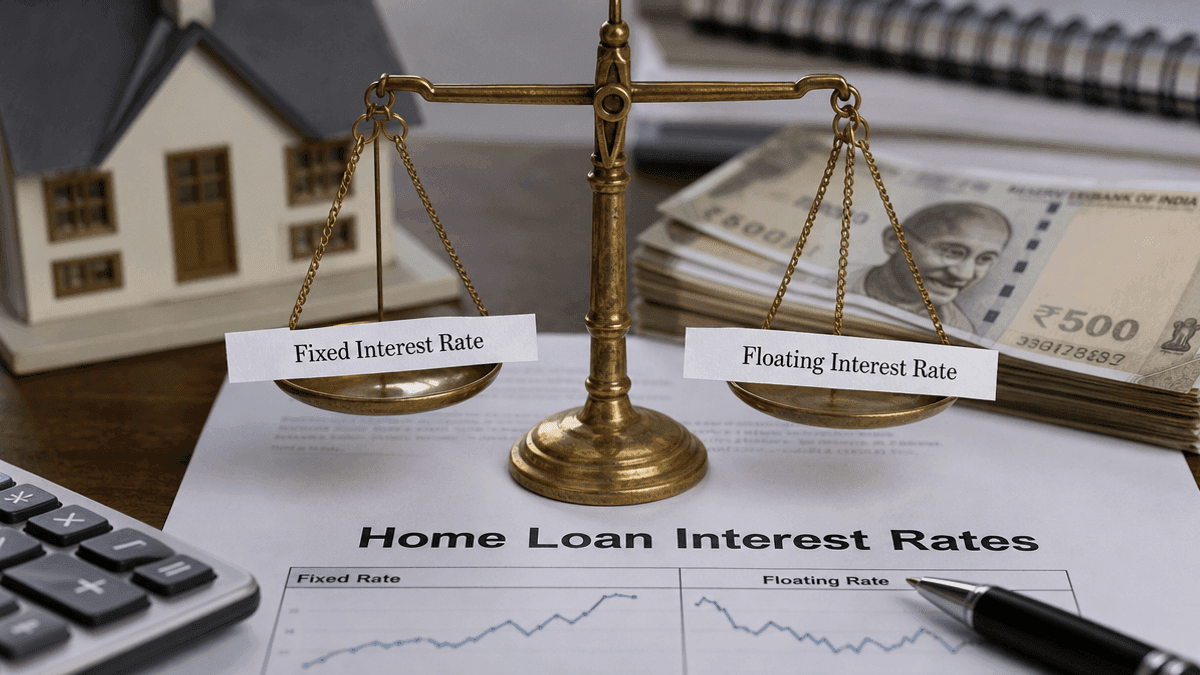
Banks in India may soon hike home loan interest rates. Learn the differences between fixed and floating repayment structures to make the right choice.
Banks in India may soon increase home loan interest rates, prompting prospective homebuyers to carefully evaluate their borrowing options. Choosing the right repayment structure requires understanding how both fixed and floating interest rate regimes function under current market conditions.
Understanding Fixed and Floating Interest Rates
Borrowers must weigh the distinct advantages and mechanics of each interest rate structure before committing to a long-term financial obligation. The choice directly impacts monthly budgeting and exposure to economic volatility.
- Fixed interest rates remain constant throughout the entire loan tenure, providing borrowers with protection against market volatility.
- Floating interest rates fluctuate based on changing economic conditions and are linked to external benchmarks such as the Reserve Bank of India repo rate.
- Predictable monthly installments are a key feature of fixed rates, while floating rates may initially offer lower costs.
Regulatory Framework and Borrower Choices
The Reserve Bank of India has implemented specific directives to enhance transparency and give borrowers greater control over their loan terms. Lenders are required to provide clear options for managing loan adjustments.
- Switching regimes allows borrowers to transition between fixed and floating interest rate structures.
- Adjusting loan tenures gives customers flexibility when interest rates change in the broader economy.
- Financial stability, risk appetite, and long-term interest rate forecasts should guide the final decision.
Ultimately, borrowers must align their choice with personal financial goals rather than chasing initial savings. Fixed rates offer security against rising costs, while floating rates remain tied directly to macroeconomic benchmarks.