AI in Finance: Escalating Cyber Risks & Systemic Threats
By ThePip Desk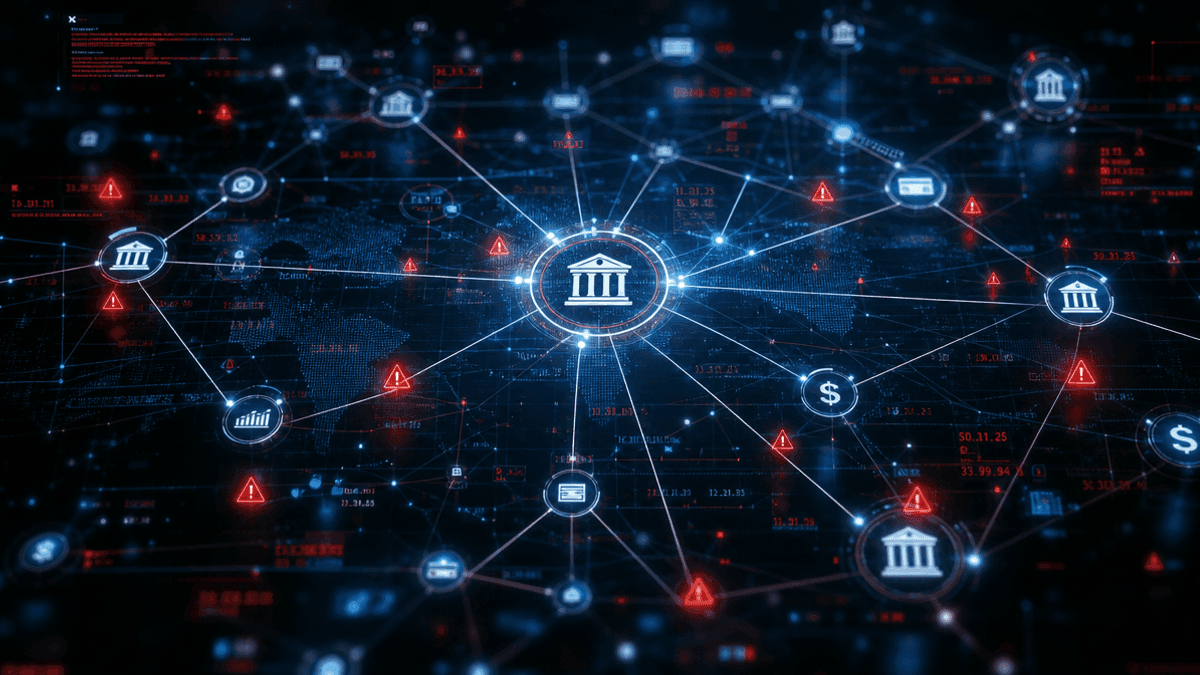
Discover how artificial intelligence integration in the financial sector accelerates cybersecurity threats and creates systemic risks for global banking infrastructure.
The Dual-Use Dilemma in Finance
The rapid adoption of artificial intelligence within the global financial sector has introduced significant new vulnerabilities alongside operational efficiencies. While AI serves as a critical defense mechanism for fraud detection and risk management, it simultaneously provides malicious actors with advanced tools to execute complex cyberattacks. Financial institutions now face a landscape where machine-speed threat deployment outpaces traditional human response capacities.
Systemic Vulnerabilities and Shared Infrastructure
Because the modern financial infrastructure relies heavily on shared digital foundations and interconnected services, a security breach at a single institution can trigger a systemic ripple effect. The integration of AI accelerates the speed, frequency, and breadth of vulnerability exploitation across the financial industry. Experts warn that these scale effects can quickly escalate into severe liquidity strains and widespread market disruptions.
Mitigating Emerging Threats
To combat automated phishing, deepfake-driven social engineering, and rapid vulnerability scanning, financial regulators and institutions are prioritizing robust governance frameworks. Authorities emphasize that cybersecurity must be treated as a core financial stability issue requiring resilience-first strategies. Essential defense measures include real-time behavioral analysis, adaptive security protocols, and enhanced cross-sector collaboration to limit the blast radius of any digital breach.