Bangladesh Inflation & Fuel Crisis: Economic Impact Explained
By Business Desk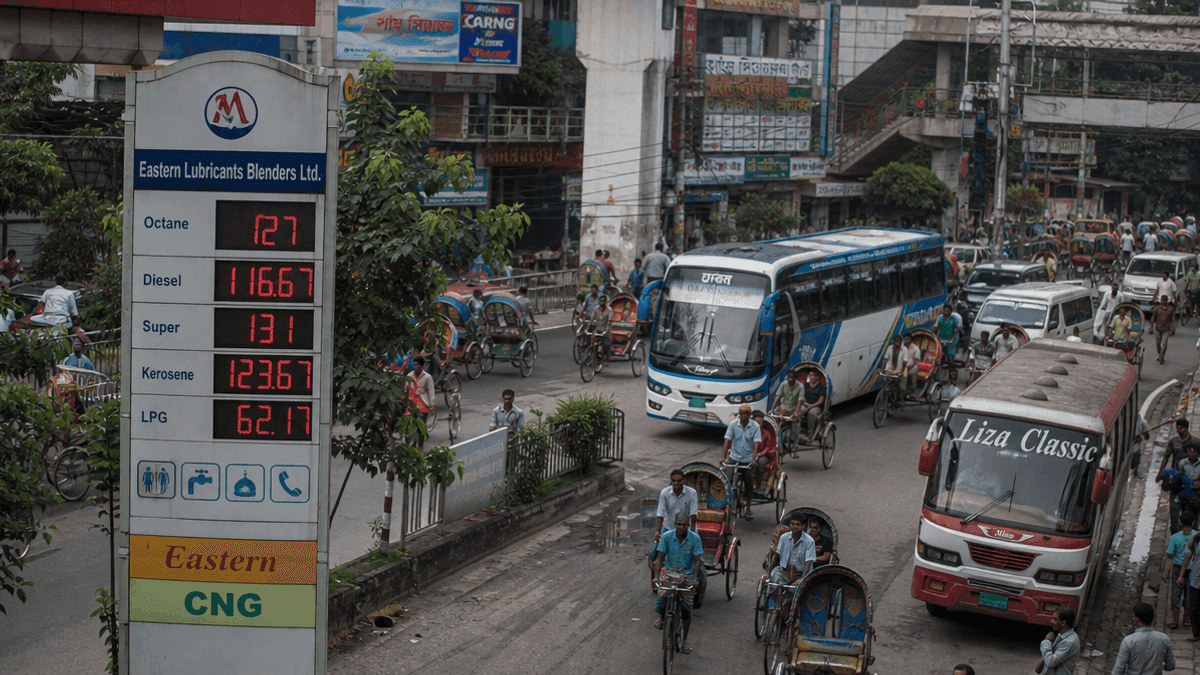
Explore how rising fuel costs and persistent inflation are straining Bangladesh’s economy, squeezing businesses, and eroding consumer purchasing power.
Bangladesh is confronting severe economic strain as the country grapples with the dual pressure of rising fuel costs and persistent inflation. This convergence creates a compounding crisis that threatens economic stability and growth.
The Mechanics of Rising Fuel Costs
The hike in fuel prices acts as a direct catalyst for broader economic distress across multiple sectors. Understanding how this mechanism operates reveals systemic vulnerabilities.
Key economic impacts driven by fuel and inflation pressures include:
Transportation costs increase significantly across various sectors due to higher fuel prices.
Production costs for businesses rise simultaneously, squeezing profit margins for companies.
Disposable income for households is significantly reduced, hitting lower and middle-income brackets the hardest.
Policy Challenges and Economic Stability
Policymakers face critical hurdles in balancing the need to control inflation without stifling economic growth. Current policy interventions show distinct limitations in addressing these compounding pressures.
Mitigating these systemic risks requires specific strategic adjustments:
Structural reforms are urgently needed to address the root causes of the economic strain.
Strategic energy management must be implemented to stabilize the broader market environment.