Thailand Adjusts EV Tax Policy to Boost Local Manufacturing
By Business Desk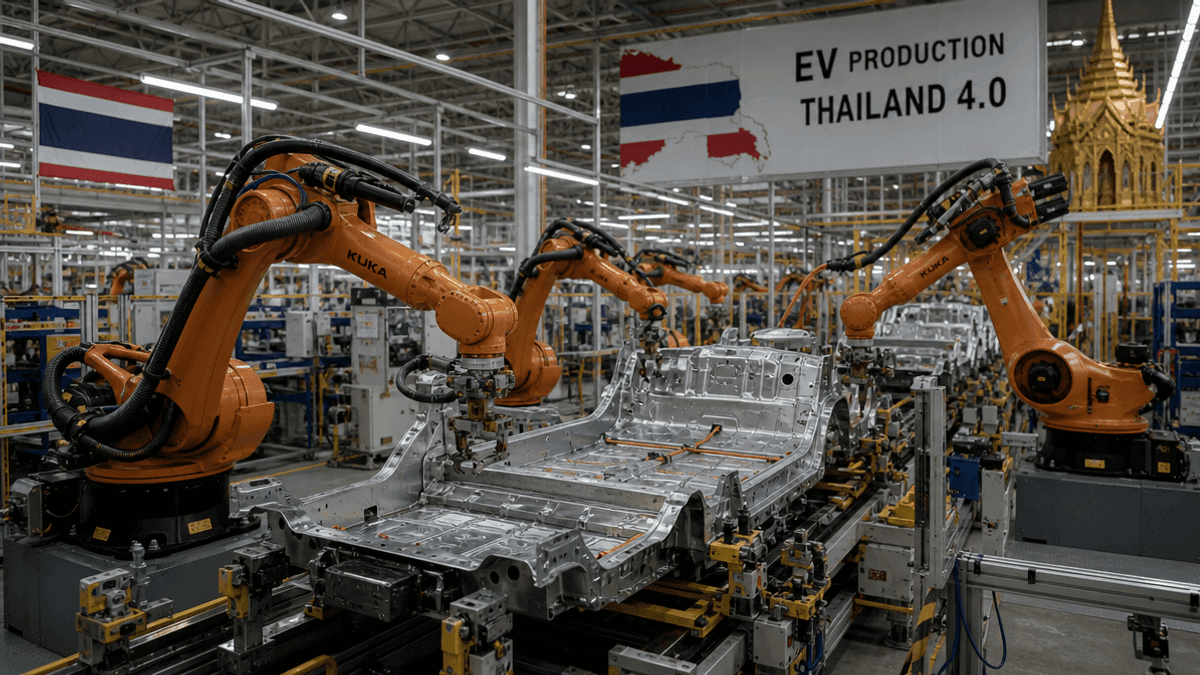
Discover how Thailand’s new EV tax policy aims to prioritize locally manufactured electric vehicles, strengthen its automotive hub, and attract automakers.
The government of Thailand is rolling out a revised tax framework specifically designed to favor electric vehicles produced within its own borders. By increasing the tax burden on imported electric vehicles, authorities aim to steer the market toward domestic production.
The Strategy Behind The Shift
This policy adjustment serves a dual purpose for the nation’s economic landscape. It is intended to accomplish the following goals:
Encourage international automakers to establish local production facilities within the country. Strengthen Thailand’s existing position as a premier automotive manufacturing hub in Southeast Asia. Balance the competitive landscape against the growing influx of foreign electric vehicle brands.
Supporting Local Industrial Growth
The government maintains that these measures are essential for long-term industrial health. By incentivizing local manufacturing, the state ensures that the global transition toward electric mobility generates tangible benefits for the domestic economy. This move is a calculated effort to protect local growth while managing the rapid entry of international competitors into the regional market.