Govt Extends E-Two-Wheeler Incentives Until 2028
By ThePip Desk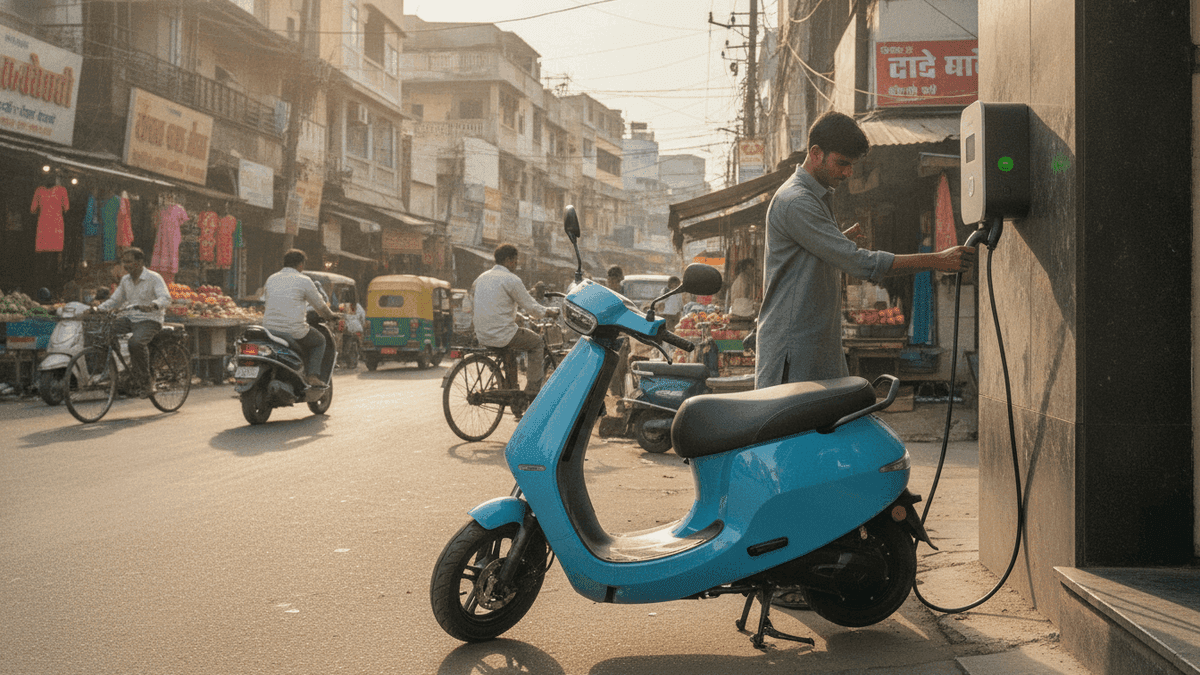
India extends electric two-wheeler incentives under PM E-DRIVE until March 31, 2028, aiming to boost EV adoption with structured financial support.
The Indian government has extended financial incentives for electric two-wheelers through the PM E-DRIVE scheme, with the initiative now set to continue until March 31, 2028. This move aims to accelerate the adoption of electric vehicles across various segments of the market.
Understanding the Two-Wheeler Incentive Structure
Under the revised scheme, registered electric two-wheelers are eligible for specific financial support based on their energy capacity. This incentive is carefully structured with clear caps and eligibility requirements to ensure targeted impact.
- Incentive: Rs 2,500 per kWh
- Maximum cap: Rs 5,000 per vehicle
- Subsidy limit: 15% of the vehicle’s ex-factory price (whichever amount is lower)
- Eligibility: Vehicles must have an ex-factory price of up to Rs 1.5 lakh
The government has set an ambitious target to support a significant number of electric two-wheelers through this extended program. A substantial financial allocation has been made specifically for this segment.
- Targeted support: Up to 45.8 lakh electric two-wheelers
- Allocation for two-wheelers: Rs 2,767 crore
Broader PM E-DRIVE Scheme and Future Focus
The comprehensive PM E-DRIVE scheme extends beyond just two-wheelers, encompassing a wider strategy to foster India’s electric vehicle ecosystem. It supports various aspects crucial for widespread EV adoption.
With an overall outlay of Rs 11,900 crore, the scheme not only facilitates EV purchases but also invests in developing critical charging infrastructure and strengthening the domestic manufacturing capabilities for electric vehicles.
Looking ahead, the Ministry of Heavy Industries (MHI) is actively engaging with banks and vehicle manufacturers to establish a robust financing support mechanism for electric buses and trucks. These discussions are exploring specific financial tools to make heavy electric vehicles more accessible.
Key mechanisms under consideration include an interest-subvention framework and credit guarantees. These are designed to bridge the existing 3-4 percentage-point financing-cost gap currently observed between electric and diesel trucks.
Lenders typically charge higher interest rates for electric trucks due to uncertainties surrounding battery life and resale value, a barrier the MHI aims to mitigate. Reducing these financing costs is deemed vital for the electrification of the heavy truck segment given its significant environmental impact.
- Heavy trucks constitute approximately 3% of all vehicles.
- These vehicles contribute 42% of total vehicular pollution.
- They consume around 60% of diesel nationally.