Strait of Hormuz Shipping Halts Amid Tanker Attacks, US-Iran Tensions
By ThePip Desk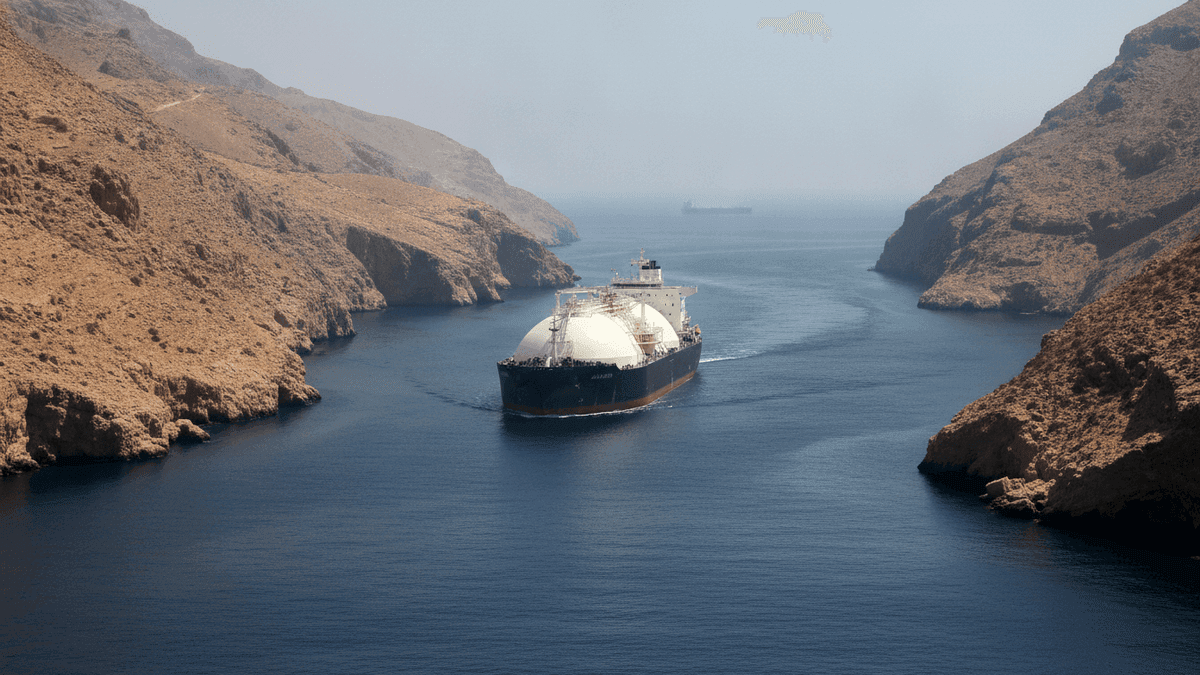
Shipping through the Strait of Hormuz hit zero transits Sunday following tanker attacks and stalled US-Iran talks, impacting global energy routes. Learn more.
Shipping activity through the vital Strait of Hormuz experienced a sharp decline over the past weekend, directly impacted by recent tanker attacks and the ongoing stagnation in U.S.-Iran negotiations. Data from Kpler confirms a significant reduction in commodity vessel transits, highlighting the immediate market reaction to regional instability.
Key Transit Data
- Saturday: 5 commodity vessel transits.
- Sunday: 0 commodity vessel transits.
- Previous Weekend: 31 vessels recorded.
This near cessation of shipping followed reports from the United Arab Emirates regarding attacks on three vessels operated by the Abu Dhabi National Oil Company. The incidents underscore escalating tensions in the Middle East, directly affecting global energy supply routes.
Geopolitical Responses
- The United States: Indicated intent to maintain an indefinite naval blockade of Iran.
- Iran’s Foreign Minister Abbas Araqchi: Asserted Washington must fulfill Iran’s conditions for shipping operations to resume.
Historically, the Strait of Hormuz serves as a critical global artery, responsible for facilitating approximately one-fifth of the world’s crude oil and liquefied natural gas shipments. Its disruption carries significant implications for international energy markets.
Broader Regional Impact
- Bab el-Mandeb strait: Also observed a decrease in commodity vessel transits.
- Cause: Yemeni Houthis declared a naval blockade on Saudi Arabia.
The continued slowdown in these vital maritime passages signals persistent geopolitical risks that could further complicate global commodity flows. Market participants will closely monitor diplomatic efforts and regional security developments for any signs of resolution.