White House Flags India in China’s Tariff-Dodging Network
By Business Desk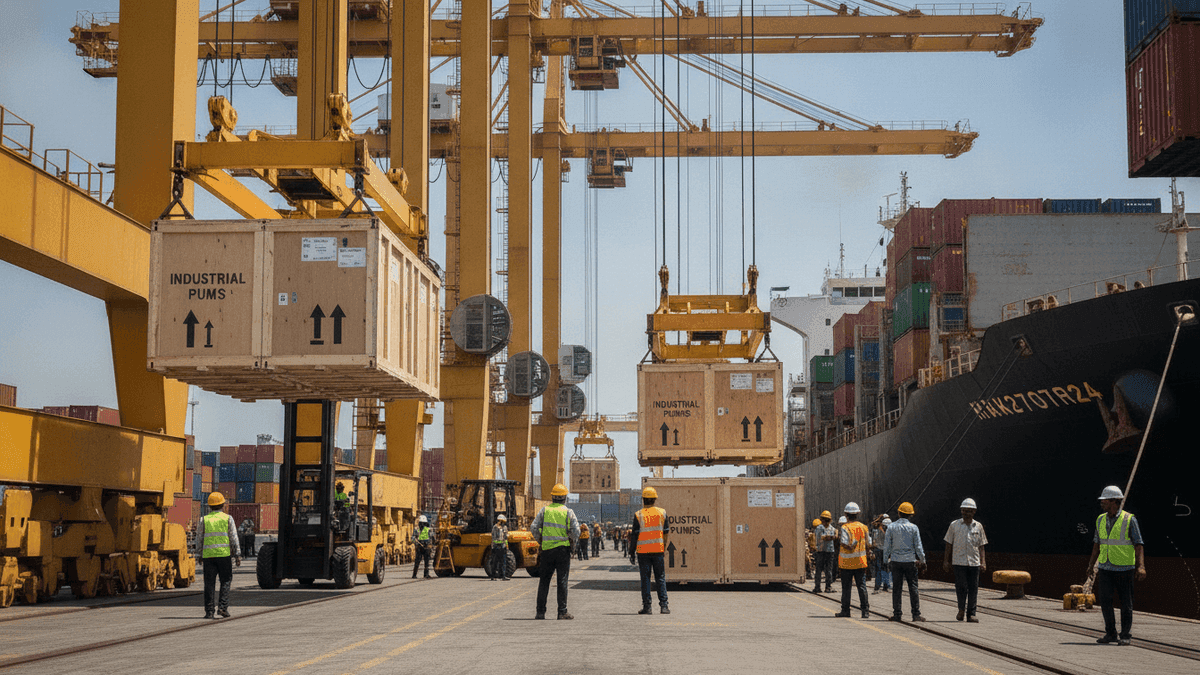
A White House report highlights India’s role in China’s alleged ‘shadow transshipment network,’ designed to bypass US tariffs, escalating trade concerns.
The White House has released a report titled ‘The Great Transshipment Scam,’ identifying India among more than 40 countries exposed to China-linked transshipment risks. This extensive network is allegedly utilized by China to circumvent tariffs imposed by the US since 2018.
India’s Tier 1 Classification
India is categorized in Tier 1 of ‘China’s Shadow Transshipment Network,’ a group described as ‘Diversified Scale Leaders.’ This classification indicates that transshipment risk is integrated within extensive legitimate trade flows.
Other significant US trading partners also placed in Tier 1 include:
- Canada
- European Union
- Japan
- Mexico
- South Korea
- Israel
- Taiwan
Specific Concerns in India’s Production Belt
The report specifically points to India’s Pune-Gujarat-Chennai production belt as a potential corridor for China-linked pumps and compressors entering the US. These goods, if transshipped, could impact American industrial supply chains.
Key trade figures for these items in fiscal year 2025-26 reveal a notable disparity:
- India’s exports of pumps and compressors to the US: approximately $750 million
- India’s imports of pumps and compressors from China: nearly $2 billion
Overall, the White House estimates the US received about $67 billion worth of goods in 2025 that were transshipped from China through various hubs. This activity, involving countries like Mexico, India, and Vietnam, resulted in an estimated $28 billion loss in tariff revenue for the US.
India’s Official Stance and Expert Skepticism
The Indian government is currently examining the report’s findings and methodology. A spokesperson for the Ministry of External Affairs stated that India possesses robust laws and procedures concerning customs, rules of origin, and product exports, with any violations addressed legally.
Indian trade experts, such as Ajay Srivastava, founder of the Global Trade Research Initiative (GTRI), have expressed skepticism regarding the report’s broad definition of transshipment. He suggests it may conflate legitimate manufacturing with origin fraud.
The report also proposes an AI-enabled ‘Detective Border’ system designed to identify unusual routing patterns and direct customs enforcement. Srivastava warns this system could lead to several trade disruptions:
- Increased inspections
- Shipment delays
- Retrospective duties
Broader US-India Trade Dynamics
This report emerges at a sensitive juncture for India-US trade relations. It follows a US Senate bill that could impose punitive tariffs on India for its Russian oil purchases and an ongoing Section 301 investigation by the US Trade Representative concerning India’s alleged excess capacity.
Experts like Ram Singh of the Indian Institute of Foreign Trade view these US actions as attempts to gain leverage in trade negotiations. Indian exporters are concerned the report could introduce new non-tariff barriers, exacerbating existing challenges.
These existing challenges include:
- Current 10 percent tariffs on Indian goods under Section 301 of the US Trade Act of 1974
- Potential new non-tariff barriers from the report’s recommendations
- Possible punitive tariffs related to Russian oil purchases