Mumbai Redevelopment Projects: Delays & Financial Woes
By Business Desk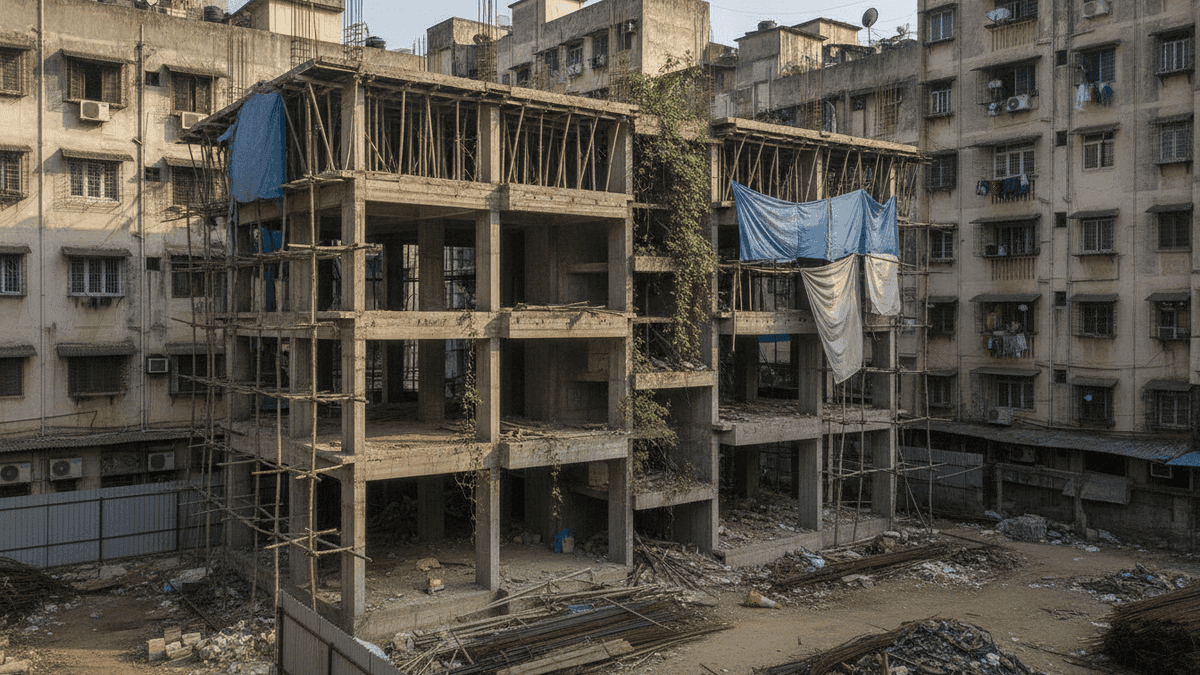
Mumbai housing redevelopment projects face severe delays and financial distress due to builder failures, leaving homeowners in limbo. Explore the causes and impact.
Housing society redevelopment projects across Mumbai are increasingly ensnared in considerable challenges, leaving homeowners in protracted delays and financial distress. This trend highlights a critical systemic issue within urban development, particularly in land-scarce environments.
Several societies, including Jeevan Nagar Co-operative Housing Society and Juhu Anamika housing society, exemplify this crisis. Both have been in a state of limbo for years, despite initial promises of modern and expanded living spaces, underscoring the severe emotional and financial toll on residents.
The Underlying Causes of Project Failures
- Rising Costs: Escalating construction expenses make projects financially unviable for developers.
- Funding Issues: Builders frequently encounter difficulties securing necessary capital to complete projects.
- Regulatory Approvals: Navigating complex and often slow approval processes adds significant delays.
- Market Fluctuations: Shifts in real estate demand and pricing can undermine project feasibility.
A significant contributing factor is builders’ tendency to overpromise during the mandate acquisition phase. These ambitious commitments often prove unsustainable when market conditions inevitably shift, leading directly to stalled or abandoned projects.
The current regulatory and legal framework offers little immediate recourse for affected homeowners. Weak enforcement by the Real Estate Regulatory Authority (RERA) and sluggish legal proceedings mean relief is often protracted, exacerbating the homeowners’ plight.
Mitigating Risks for Societies
Societies contemplating redevelopment must adopt a more stringent approach to builder selection and contract negotiation. Prioritizing a builder’s proven financial strength and established track record over merely attractive offers is paramount.
- Independent Feasibility Studies: Conduct thorough third-party assessments of project viability.
- Meticulously Drafted Agreements: Ensure contracts include clear timelines, specific penalties for delays, and robust termination clauses.
As an alternative, self-redevelopment presents a compelling option, allowing societies to maintain greater control and directly benefit from potential profits. This model, however, demands strong internal governance and professional management to successfully navigate its inherent complexities.
The Path Forward for Redevelopment
The implications for Mumbai’s urban landscape are clear: a shift towards more rigorous due diligence and potentially self-governed development models is necessary. This approach can empower societies and mitigate the pervasive risks associated with builder-led projects, ensuring more secure outcomes for homeowners.