IPO Investing: 2026 Guide to Smart Stock Picks
By IPO Desk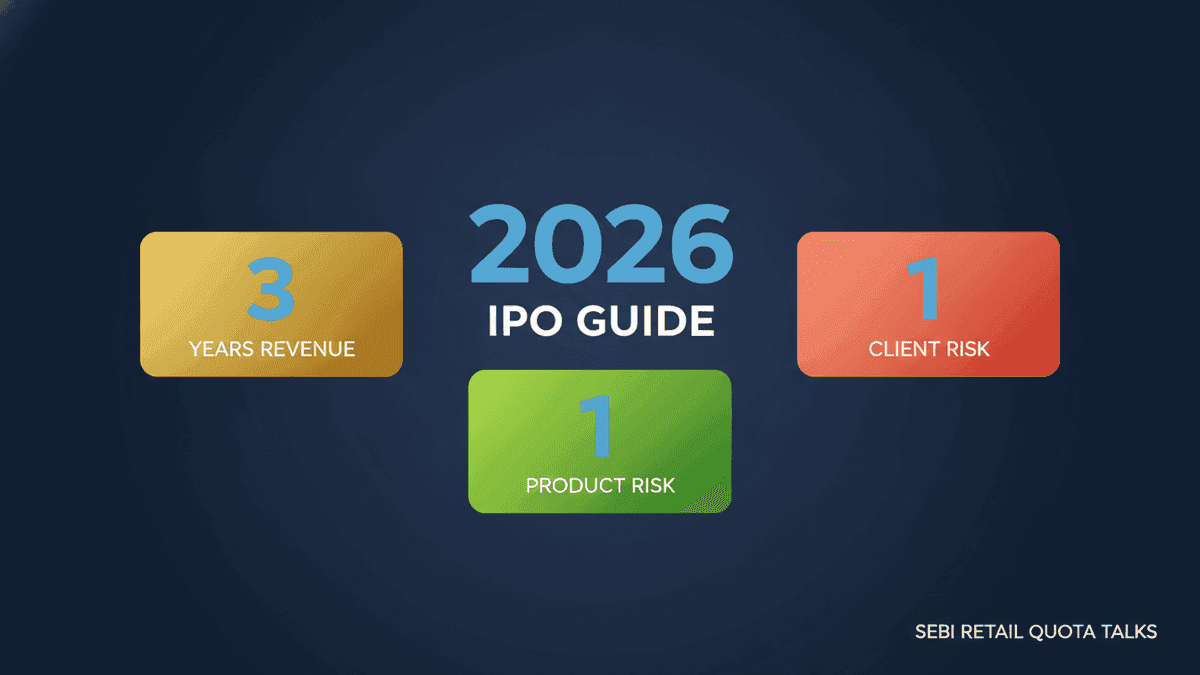
Learn how to analyze an IPO before investing. This 2026 guide covers 6 crucial steps for smart stock picks based on company fundamentals, not just hype.
Thinking about an Initial Public Offering (IPO – company sells shares first time)? Many investors treat these like a lottery, jumping in based on market buzz. But an IPO is a serious business decision, not a quick gamble.
This 2026 guide will walk you through six crucial steps to analyze an IPO. It’s all about making smart choices based on a company’s real value, not just the hype.
Reading the Red Herring Prospectus
Your first move is to check out the Red Herring Prospectus (RHP – official company disclosure document). This document lays out everything about the company, from its money history to any legal issues.
- Look for the “Risk Factors” chapter.
- This highlights weaknesses like frequent auditor changes or relying too much on one client.
- It also shows how the company plans to use the money raised.
Understanding the Financial Story
Next, dig into the company’s financials. Don’t just eyeball revenue growth; look deeper to see if the growth is actually sustainable.
- Check revenue growth over three years.
- See if operating margins are improving.
- Analyze free cash flow to ensure growth isn’t just from higher spending.
- Compare the debt-to-equity ratio with similar companies.
Assessing the Business Model
You need to really get how the company makes its money. Figure out which parts of the business are profitable now and which are still in the experimental phase.
Think about companies like Urban Company or AceVector (Snapdeal and Unicommerce) to see how different business segments perform.
Valuation: Comparing Apples to Apples
Now for the big question: is the IPO priced fairly? You need to compare its valuation with other companies already listed in the same sector.
- Look at the P/E ratio (price-to-earnings ratio – company value vs. profit).
- Check the EV/EBITDA (enterprise value to earnings before interest, tax, depreciation, and amortization – total value vs. core profit).
- If the IPO is valued higher, there should be a clear reason, like faster growth or a tech edge.
Also, know where the money is going after the IPO. This tells you a lot about the company’s immediate plans.
- A Fresh Issue (new shares sold – money goes to company) means capital for growth.
- An Offer For Sale (OFS) (existing shares sold – money goes to current shareholders) might signal promoters are cashing out.
Promoters and Shareholding Insights
Who is running the show, and what are they doing with their shares? This is key insight into the company’s future.
- Question why a founder might sell a big chunk of their stake at listing.
- Anchor investors (big institutional investors – buy shares before IPO) can be a good sign, but consider their long-term plans.
- SEBI is even talking about reducing the retail investor quota for larger IPOs, changing how small investors participate.
Weighing the Potential Risks
Before you commit, think about what could go wrong. Every investment has risks, and IPOs are no different.
- Is the IPO overvalued?
- Does the company depend too much on one product or client?
- Is there a large Offer For Sale by promoters?
- Watch out for lock-in expiry dates, which could flood the market with shares.
- Consider wider sector problems that could affect the company.
Ultimately, smart IPO investing isn’t about the first-day buzz. It’s about looking at the company’s fundamental strength and long-term potential.