Indian Students Avoid US Universities Due to Visa Woes
By Business Desk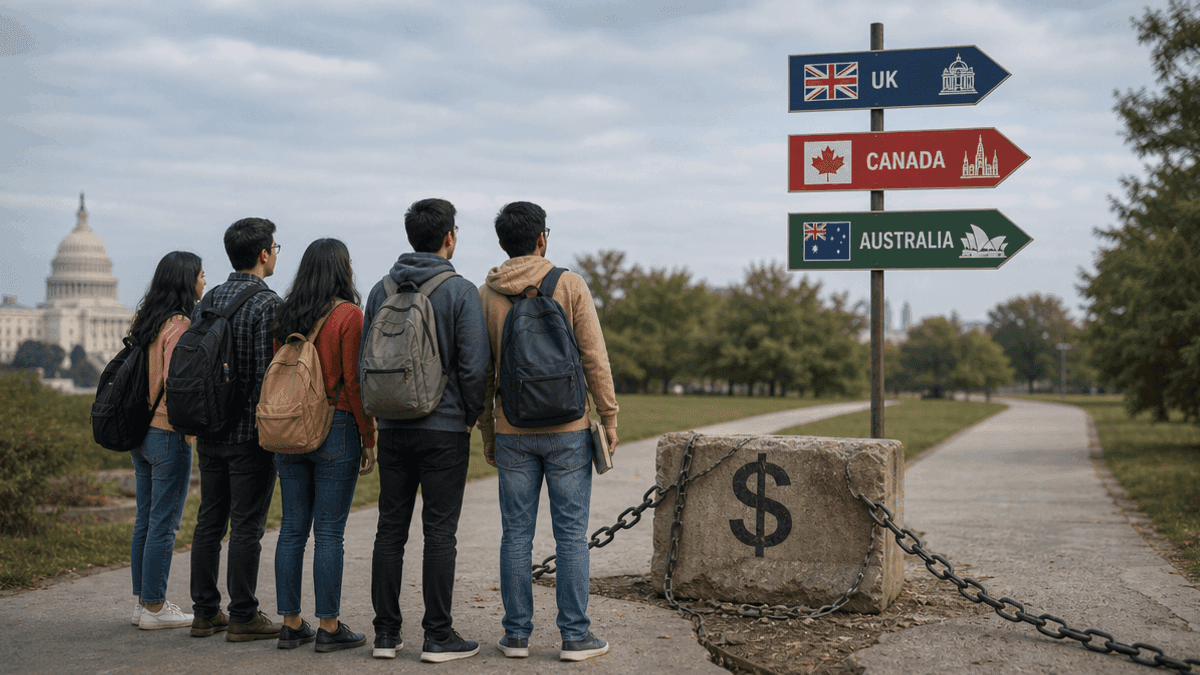
Indian student enrollment in US universities plummets due to rising OPT fees and stricter visa rules, impacting thousands of aspiring scholars.
Indian student arrivals in the United States are seeing a notable decline, with the upcoming Fall intake estimated to drop by up to 30% compared to the previous year.
Official data from the US Department of Commerce reveals an even steeper fall of 43.2% since the August 2023-July 2024 cycle.
This represents a substantial loss of nearly 140,000 Indian student arrivals over two years, indicating a significant shift in international student mobility.
Policy Shifts Impacting Student Choices
Several key factors are contributing to this downturn, primarily stemming from proposed policy changes and stricter regulations.
- A proposed $100,000 fee for Optional Practical Training (OPT), described by consultants as a “talent tariff.”
- Reduced post-study work grace periods, shrinking from 60 to 30 days after graduation.
- A shift for F-1 visa holders from a “duration of status” system to a fixed admission period starting September 15.
These changes introduce significant financial burdens and increased unpredictability for graduates seeking post-study employment in the US.
Understanding the OPT Fee and its Financial Ramifications
The Optional Practical Training (OPT) program allows international graduates to gain work experience in the United States after completing their degrees.
Consultants highlight that the proposed $100,000 fee would drastically alter the financial viability of studying in the US.
Many students rely on post-study employment to offset their significant educational costs, making this fee a critical deterrent.
Anticipated Future Trends in International Education
While an immediate collapse in enrollment is not expected, these policy shifts are prompting Indian students to evaluate alternatives.
Experts anticipate students will increasingly explore other countries, including the UK, Canada, and Australia, for their higher education.
The cumulative effect of these changes is projected to be more acutely felt in 2027, potentially impacting US university enrollments, especially at the graduate level.