India Dairy Inflation: Rising Farm Costs, Not Demand
By ThePip Desk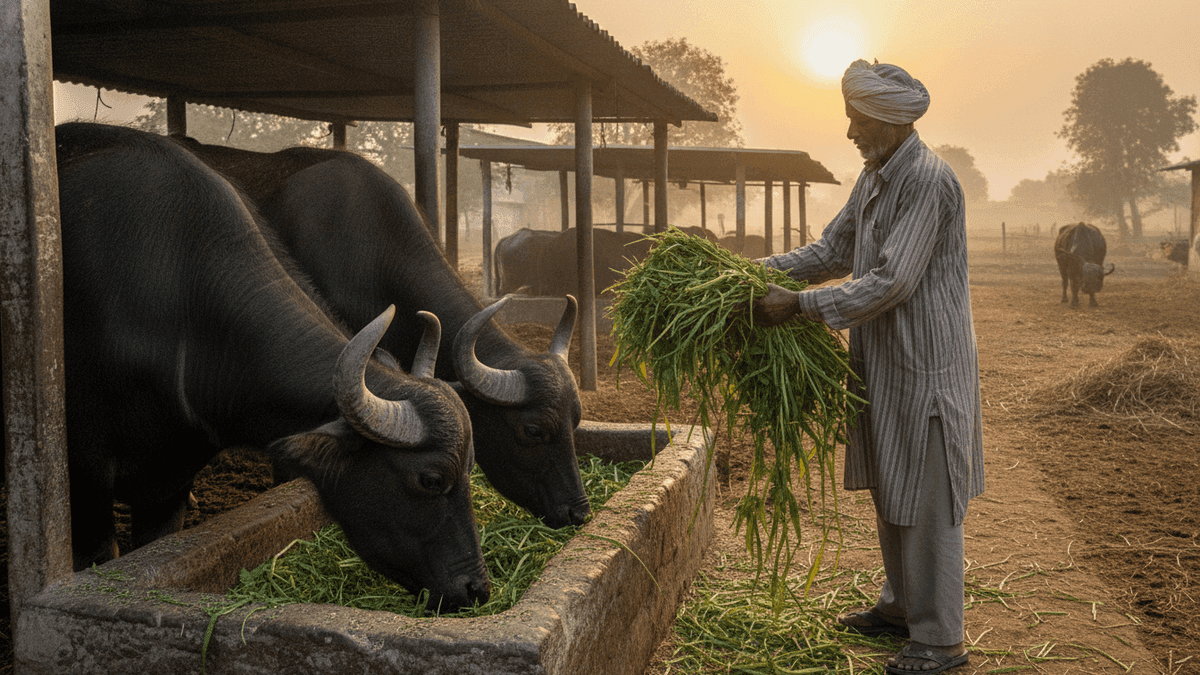
India’s dairy sector faces inflation driven by escalating farm production costs like feed and labor, not increased consumer demand. Explore the key drivers.
India’s dairy sector, the world’s largest, is currently experiencing price pressures primarily driven by rising production costs at the farm level. This contrasts sharply with many retail sectors where inflation often stems from increased consumer demand.
Understanding the Core Cost Drivers
Dairy farmers are grappling with significant increases in operational expenses. These fundamental costs are critical for maintaining healthy livestock and consistent milk output.
One primary factor is the escalating cost of cattle feed, which directly impacts milk yields and cannot be compromised. Other rising expenses include veterinary care, essential for animal health.
Additionally, farmers face higher costs for farm labor, a crucial component of daily operations. Increased energy consumption also contributes significantly to the overall production expenses.
Strategies for Cost Control and Productivity
Industry stakeholders are shifting their focus from merely tracking retail prices to evaluating the efficiency of milk production. The sector’s ability to manage inflation is directly linked to the amount of milk produced per animal.
Enhancing productivity through targeted programs is identified as the most viable strategy for cost control. This involves implementing improved breeding programs and providing advanced veterinary care.
Optimized feeding schedules are also crucial for maximizing milk yields per animal. Increased production efficiency would lead to a more stable supply chain for processors and help reduce the frequency of price increases for consumers.
Long-Term Demand and Industry Adjustments
Despite these immediate cost challenges, the long-term demand for dairy products in India remains robust. This is supported by a growing population, increasing urbanization, and rising health awareness among consumers.
However, the industry’s profitability across its entire value chain will be significantly impacted by these input cost fluctuations. Investors are advised to closely monitor how major dairy companies manage procurement costs.
Furthermore, attention should be paid to their investments in programs aimed at improving farmer productivity. The industry is also exploring a strategic shift towards higher-value dairy products, such as cheese, yogurt, and specialized nutritional drinks, to offset the impact of rising raw milk costs.
Ultimately, the financial health of India’s dairy sector will depend on its success in balancing these persistent input pressures with efficient supply chain management and sustained demand for its value-added offerings.