El Nino Price Shocks Threaten Asia-Pacific Households: S&P
By ThePip Desk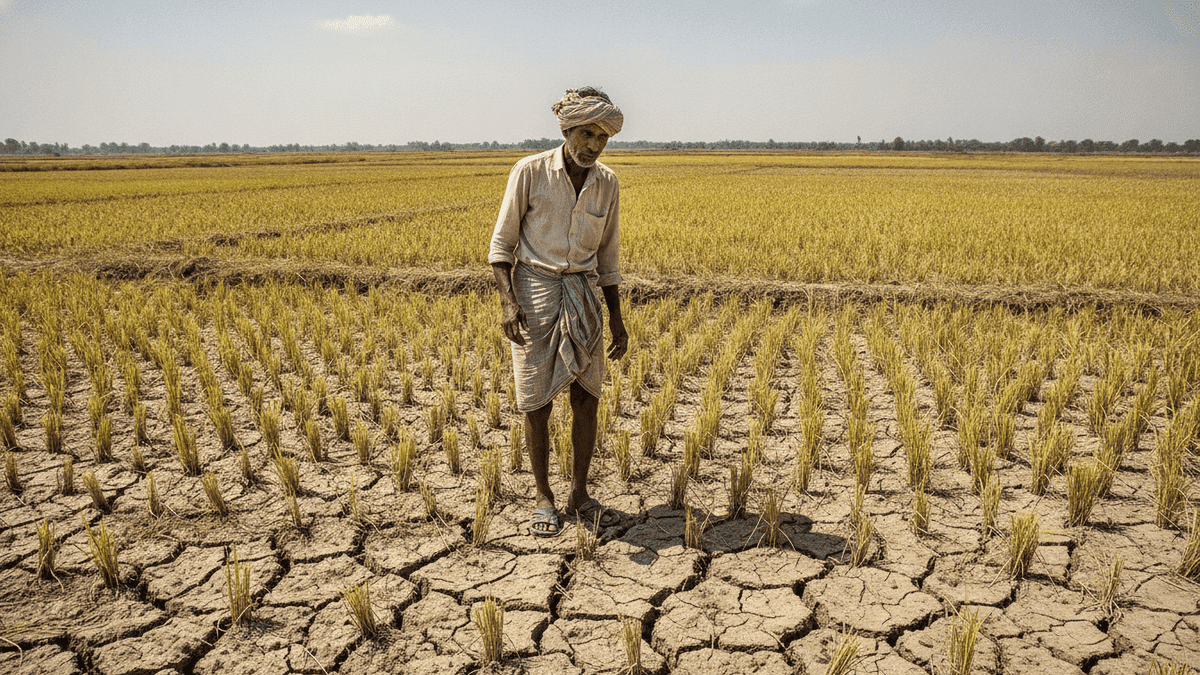
S&P Global Ratings warns El Nino-driven supply shocks will significantly impact Asia-Pacific households, particularly in India, Vietnam, Indonesia, and the Philippines, with rising food inflation and energy concerns.
S&P Global Ratings has warned that households across India and other Asia-Pacific economies, including Vietnam, Indonesia, and the Philippines, face significant vulnerability to price increases. These surges stem directly from supply shocks driven by the El Nino phenomenon.
The report highlights that the El Nino period, set to strengthen between August and October 2026, will primarily impact the region through reduced rainfall and broader climate disruptions. This environmental shift triggers several key economic challenges.
Understanding El Nino’s Economic Channels
The mechanism through which El Nino affects the economy involves multiple transmission channels. These channels directly translate climatic changes into market and social impacts.
- Decreased agricultural output due to insufficient rain.
- Elevated food inflation as supply dwindles and demand remains constant.
- Reduced hydropower generation, impacting energy supply.
- An increase in vegetation fires and haze, leading to health and environmental costs.
Regional Resilience Amidst Challenges
Despite these significant challenges, S&P suggests that the overall macroeconomic impact across the region is likely to remain manageable. This assessment is based on several proactive measures taken by various economies.
Key strategies bolstering resilience include:
- Expanded food buffer stocks to absorb supply shocks.
- Enhanced import planning to supplement domestic shortfalls.
- Reinforced market management mechanisms to stabilize prices.
- Investments in reservoir management and irrigation infrastructure.
- Improved water governance to manage scarce resources effectively.
India, for example, maintains strong food and grain buffers as of July 2026, according to the report. Authorities are also actively coordinating with farmers at the district level to minimize potential crop losses.
South Asia’s Specific Vulnerabilities and Policy Buffers
South and Southeast Asia are identified as among the most vulnerable regions globally to El Nino’s effects. Lower rainfall in these areas is expected to intensify food price pressures and disrupt water-intensive industries.
However, proactive policy measures can help buffer the fallout from a severe El Nino event. These include adopting water-efficient crops, maintaining higher grain reserves, and continuously improving water management practices.
The Reserve Bank of India (RBI) has also acknowledged the risks posed by a deficient and uneven south-west monsoon amidst El Nino conditions. The central bank highlighted concerns for the agriculture sector’s outlook and rural demand.
The RBI projected retail inflation at 5% for FY27, while noting that proactive supply management and adequate foodgrain stocks could provide crucial buffers against these inflationary pressures.