India’s New Closing Auction Session Faces Liquidity Issues
By Market Desk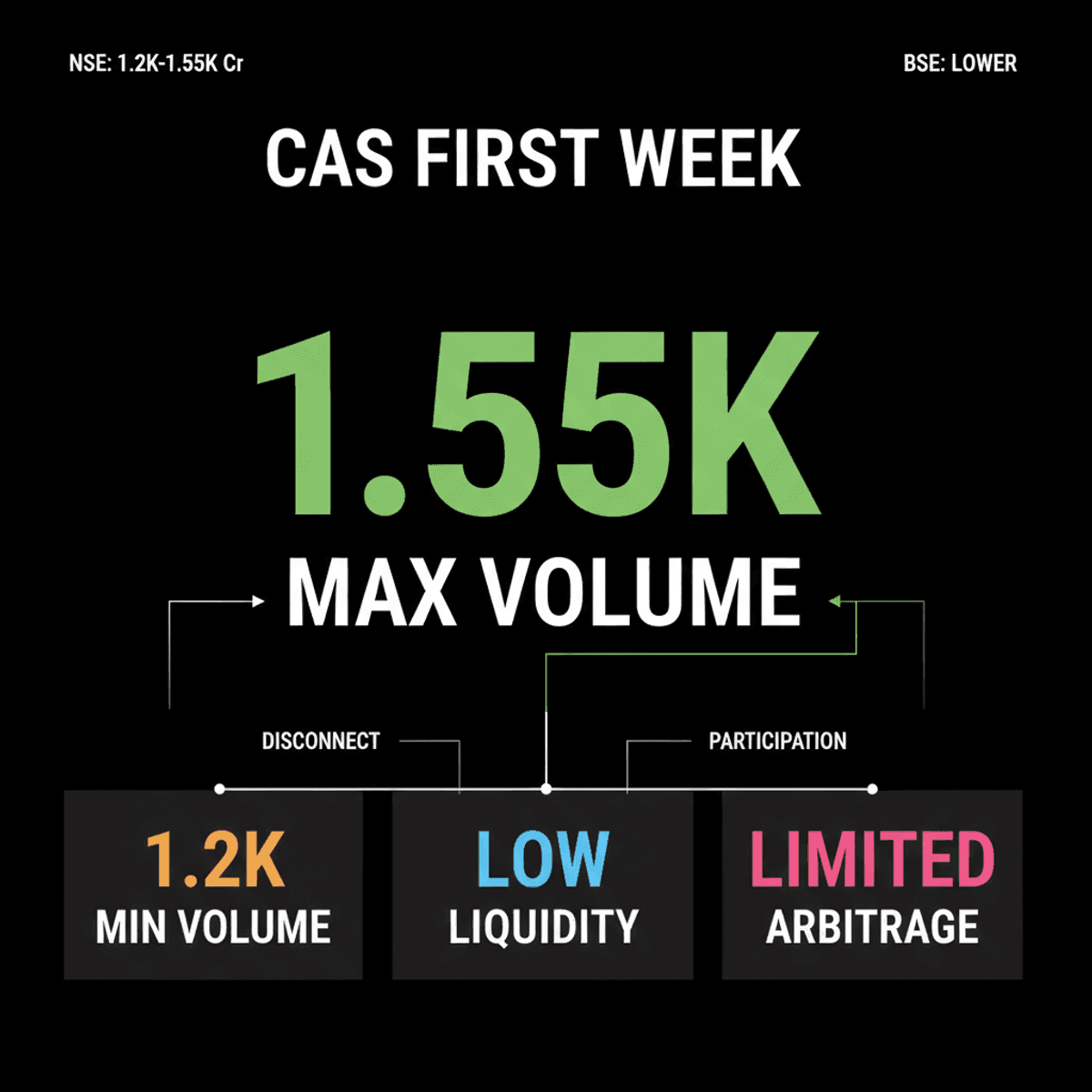
India’s new Closing Auction Session (CAS) concludes its first week with low liquidity and a cash-derivatives market disconnect, impacting price discovery and arbitrage.
India’s new Closing Auction Session (CAS) has completed its first week, revealing challenges such as low liquidity and limited arbitrage opportunities. This initial phase has highlighted a notable disconnect between the cash and derivatives markets, impacting participants.
The Closing Auction Session was introduced to enhance price discovery and align India’s market practices with global standards. However, experts consulted by NDTV Profit indicate that its overall effectiveness hinges on increased market participation.
Initial Trading Volumes
The early trading volumes have been modest across exchanges, signaling cautious engagement from participants.
- The National Stock Exchange (NSE) recorded volumes between Rs 1,200-1,550 crore.
- The Bombay Stock Exchange (BSE) experienced even lower engagement during the session.
Arbitrage Hurdles and Market Disconnect
A primary concern stems from the divergence between the cash market, which transitions into CAS after 3:15 p.m., and the derivatives market, which continues its regular trading hours. This creates a significant hurdle for arbitrage funds.
These funds require simultaneous trading in both segments to manage their positions effectively. India’s unique weekly options market and a relatively underdeveloped Securities Lending and Borrowing Mechanism (SLBM) add further complexities compared to other Asian markets.
Optimizing CAS for Future Success
While the fundamental structure of CAS is viewed positively, experts suggest that specific adjustments may be necessary. These modifications could address the initial operational issues.
- Fostering greater market participation is crucial.
- Establishing more robust arbitrage mechanisms will improve functionality.
- Cultivating deeper market liquidity is essential for efficiency.
- Adjustments to the permissible price fluctuation range during the auction period could also be beneficial.
The ultimate success of CAS in delivering its intended transparent and efficient price discovery will depend on addressing these critical areas. Regulators aim to build a system that truly enhances market efficiency through sustained adjustments and increased engagement.