Amazon’s Vague Emails: Phishing Fears Rise for Shoppers
By ThePip Desk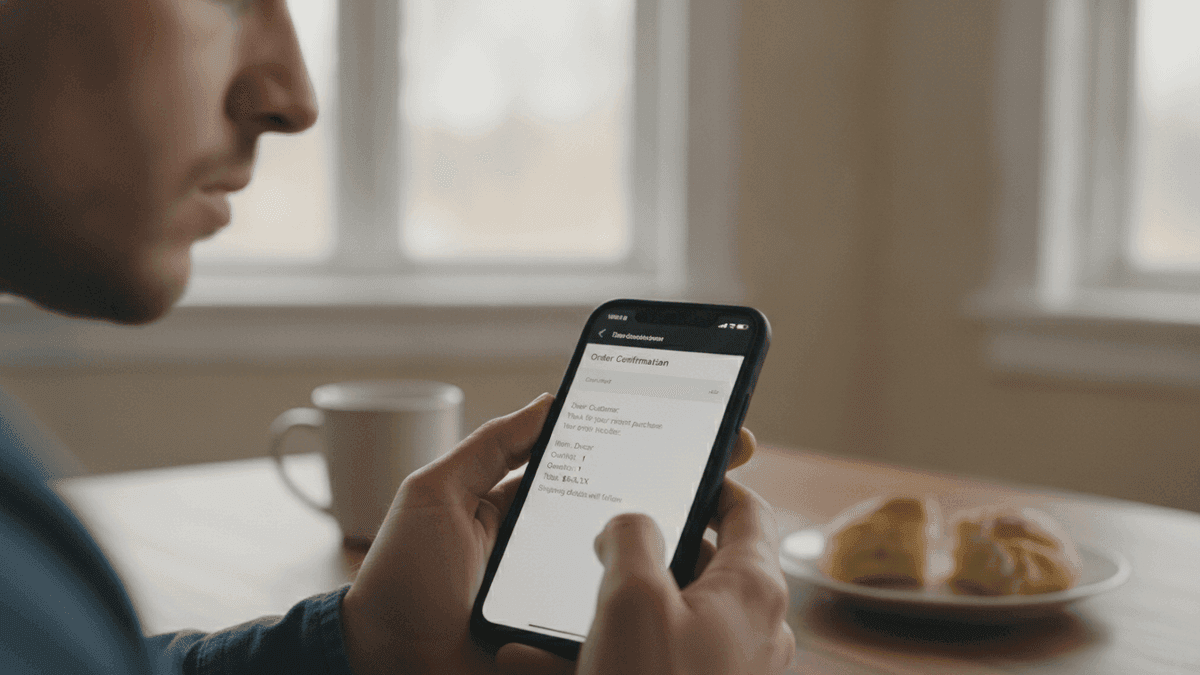
Amazon’s new vague order confirmation emails are raising cybersecurity alarms, increasing phishing risks for shoppers who can no longer easily verify purchases.
Ever noticed your Amazon order confirmation emails looking a little… vague lately? Instead of seeing the specific item you bought, you might just get a generic description like “luggage” or “Decor.” This change has left many shoppers confused, and now, cybersecurity experts are raising serious flags about a potential rise in phishing attacks.
Amazon says this simplification is all about improving customer privacy. An Amazon spokesperson stated the company aims to reduce how much customer information is shared outside its platform, nudging users to check the app or website for full order details.
The Hidden Cost of Privacy?
However, this shift might come with a hidden cost for security. Arun Vishwanath, founder of the Cyber Hygiene Academy, warns that customers are essentially forced to trade privacy for security. He believes this new format could inadvertently encourage more impersonation attempts, making it easier for scammers to trick users into clicking malicious links.
Scammers are incredibly quick to adapt to new vulnerabilities. Erich Kron, an adviser to Knowbe4, a firm focused on phishing prevention training, notes that without specific product details in emails, customers might feel compelled to click links to verify their orders, especially if app notifications aren’t coming through. This risk is compounded by the difficulty of verifying links on mobile devices, where many users access their Amazon notifications.
Key Numbers Spark Concern
The stakes are high for consumers, with imposter scams already a major issue. Americans collectively lost $3.5 billion to these scams last year, according to the Federal Trade Commission. Alarmingly, Amazon was the second-most impersonated company in 2023.
While Abnormal AI, a security company, hasn’t yet observed a definitive surge in scams directly linked to these new emails, they echo the sentiment that Amazon’s updated format could certainly facilitate such attacks. This makes distinguishing genuine communications from phishing attempts a much trickier task for the everyday shopper.
For us shoppers, this means being extra vigilant with every email that lands in our inbox. Always double-check directly on the Amazon app or website for order details rather than clicking on links from emails, especially when the descriptions are so unspecific.