Tata Sons IPO: RBI NBFC Rules Force Mandatory Listing
By Business Desk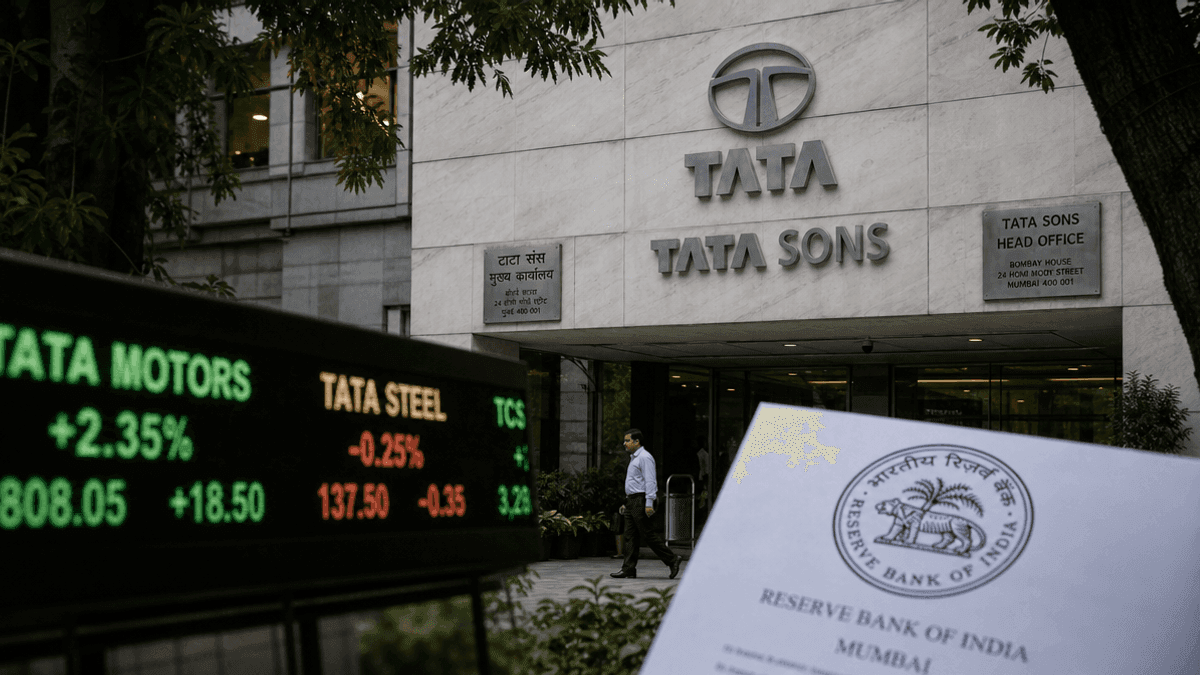
Discover why the RBI’s upper-layer NBFC classification is forcing Tata Sons to pursue a historic public stock listing within three years. Read more.
The Reserve Bank of India designated Tata Sons as an upper-layer non-banking financial company. This classification imposes strict regulatory requirements that mandate a public listing on stock exchanges within a three-year timeframe.
Regulatory Mechanics and Listing Requirements
The central bank directive disrupts the historical private structure maintained by the massive Tata Group holding company. Tata Sons has historically preserved its private status to maintain its specific governance model and operational independence.
Key details of the regulatory mandate include:
Reserve Bank of India classification as an upper-layer non-banking financial company.
Three-year timeframe enforced for the public market listing.
Tata Sons forced to navigate a historic shift in its corporate structure.
Corporate Implications and Scrutiny
The regulatory shift underscores an aggressive push by the central bank for greater transparency and oversight of systemically important financial entities. Tata Sons has previously sought exemptions or corporate restructuring to avoid executing an initial public offering.
The potential public listing forces the prominent conglomerate to balance its traditional corporate culture with the intense demands of public market scrutiny. The final outcome remains tied to how the holding company addresses the three-year compliance deadline.