RBI Mandates Strict Upper Layer Rules for Tata Sons
By Business Desk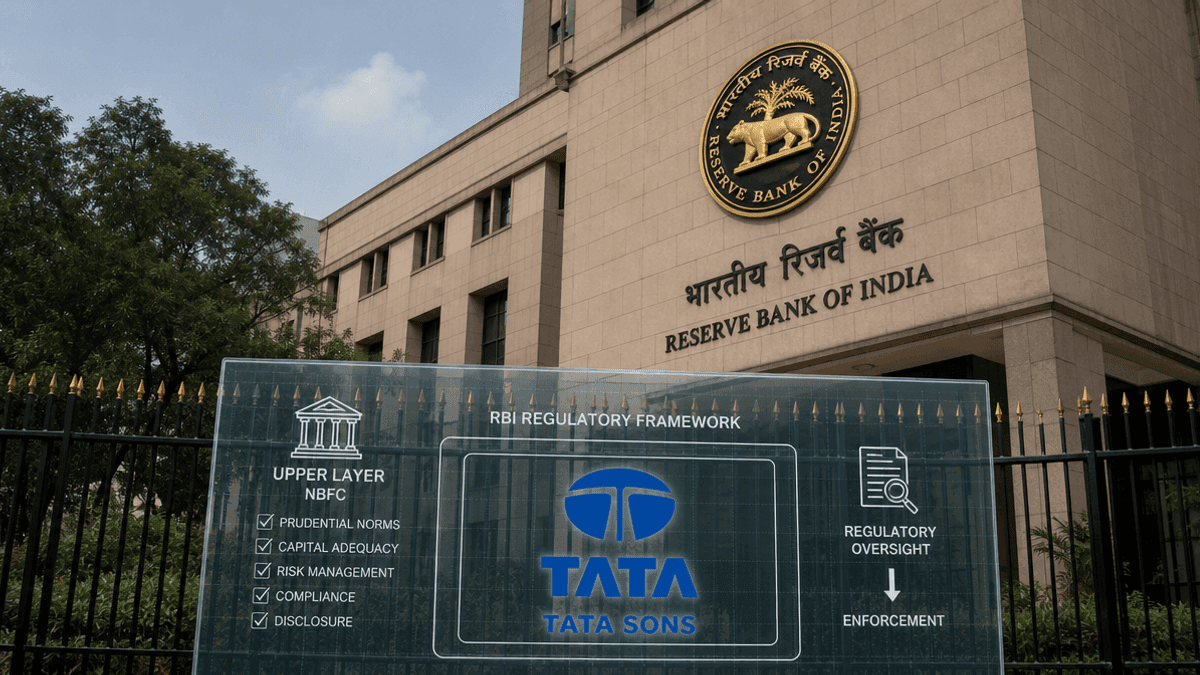
The RBI’s latest FAQs confirm Tata Sons remains classified as an Upper Layer NBFC, enforcing strict compliance and a mandatory public listing.
The Reserve Bank of India has maintained its firm stance regarding the classification of Tata Sons as an ‘Upper Layer’ Non-Banking Financial Company. By issuing specific Frequently Asked Questions, the central bank has effectively neutralized the conglomerate’s attempts to bypass stringent regulatory requirements.
The Weight of the Upper Layer Status
The Upper Layer designation imposes rigorous compliance standards on the company. Key elements of this regulatory framework include:
The necessity for a public listing within a three-year timeframe.
Tata Sons had sought to avoid this classification by arguing that its role as a core investment company did not warrant such oversight. However, the latest clarifications indicate that the group must now navigate difficult choices to align with regulatory mandates.
Navigating the Compliance Deadline
The central bank’s stance leaves the conglomerate with limited options as the compliance deadline approaches. Potential paths forward outlined by the mandate include:
Undergoing significant corporate restructuring to change its operational footprint.
Divesting certain assets or preparing for an initial public offering to comply with the directives.