AI Fuels 51% India Engineering Job Growth: LinkedIn CEO
By Business Desk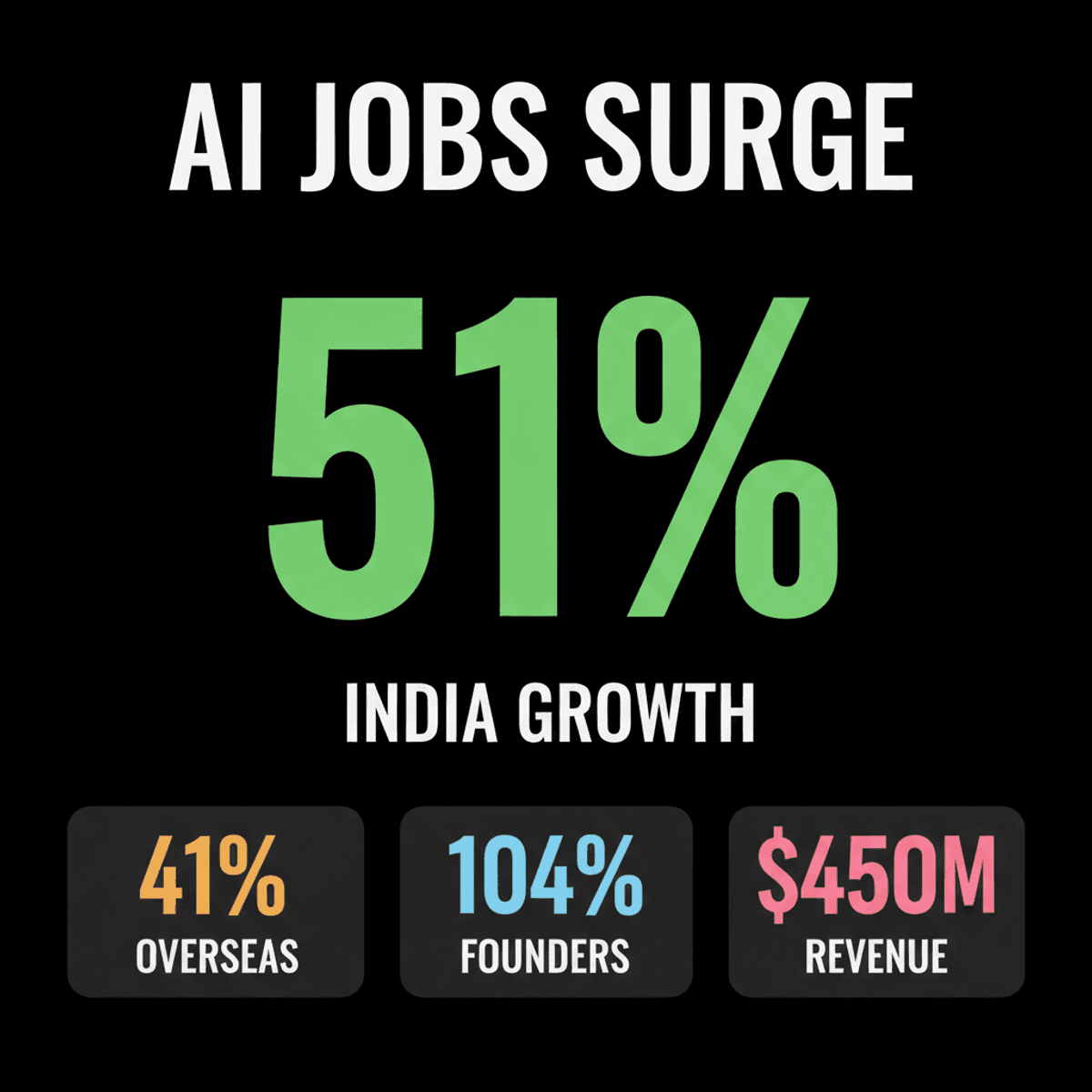
LinkedIn CEO reveals AI engineering jobs in India surge 51% annually. Global hiring slowdown linked to interest rates, not AI, which creates new roles.
AI engineering jobs in India are experiencing a substantial 51% year-on-year growth, indicating a robust expansion in the sector. This surge, highlighted by LinkedIn CEO Dan Shapero during his initial visit to India, underscores AI’s transformative influence on the nation’s employment landscape.
Understanding the Global Hiring Landscape
Globally, the current slowdown in hiring appears primarily linked to elevated interest rates, rather than the widespread integration of artificial intelligence. Shapero clarified this distinction, reassuring that AI is a catalyst for new opportunities, not solely a job displacement force.
Indeed, AI is actively fostering new roles, exemplified by data center-related jobs tripling over the past decade. It is also fundamentally altering existing positions, necessitating a continuous evolution of required skill sets, with India’s job skills evolving by approximately 12% annually.
India’s Growing Influence and Entrepreneurial Spirit
India is poised to significantly increase its contribution to overseas R&D hiring by US companies, projected to rise from 27% in 2019 to 41% by 2025. This indicates a deepening integration into the global technology ecosystem.
The entrepreneurial spirit is also flourishing, with a remarkable 104% year-on-year increase in LinkedIn members identifying as founders. Small businesses, empowered by AI to achieve more with fewer resources, have seen a 250% increase in hiring on LinkedIn in recent years.
Adapting to AI-Driven Workplace Changes
LinkedIn itself is embracing AI, integrating AI agents into its recruitment processes, with its Hiring Assistant already generating a $450 million annual revenue run rate. This internal adoption highlights the practical application and commercial viability of AI tools.
Shapero warned that the most significant risk for both professionals and companies is not AI itself, but rather their collective failure to adapt to these rapid technological shifts. Professionals must proactively re-evaluate their careers, job roles, and skill sets as AI becomes an integral part of the modern workplace.
Embracing continuous learning and skill development is crucial for navigating the evolving job market shaped by AI, ensuring professionals remain competitive and adaptable.