

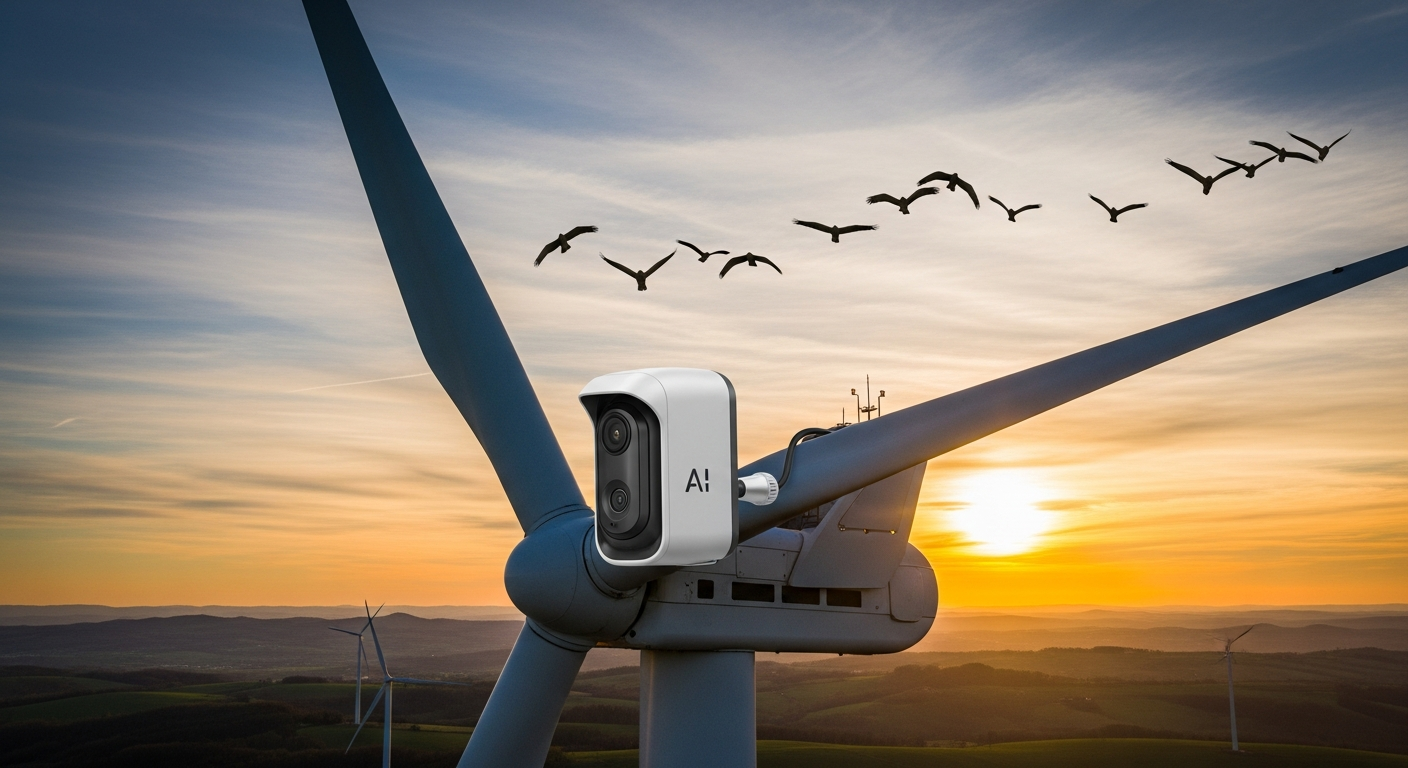






The hum of servers filled the air as engineers at Spoor, a computer vision startup, reviewed the latest thermal tests. It was December 11, 2025, and the team was racing to finalize the next iteration of its bird-monitoring AI software. The stakes? Potentially reshaping how wind farms and other industries approach environmental impact.
Spoor’s software uses computer vision to track bird populations and migration patterns, a crucial task for wind farms aiming to minimize avian fatalities. The technology analyzes video feeds from strategically placed cameras, identifying bird species and predicting their flight paths. This allows wind farm operators to adjust turbine operations, reducing the risk of collisions.
“We’re seeing significant interest,” said Sarah Chen, Spoor’s VP of Product, during an analyst call that week. “Our projections show a 300% increase in pilot program adoption by Q2 2026.”
The core of the system relies on deep learning models trained on vast datasets of bird imagery. The models, running on NVIDIA GPUs, can identify hundreds of species with impressive accuracy. The challenge, however, lies in scaling the system while maintaining performance, especially given the computational demands and the need for real-time analysis.
One of the key advantages of Spoor’s approach is its ability to integrate with existing infrastructure. The software can be deployed on edge devices, reducing latency and bandwidth requirements. This is particularly important for wind farms located in remote areas with limited internet connectivity. The firm is also exploring partnerships with drone manufacturers to expand its data collection capabilities.
“The market is definitely moving in Spoor’s direction,” noted analyst Michael Lee from GreenTech Advisors. “We project the bird monitoring market to reach $1.2 billion by 2028, with AI-powered solutions like Spoor’s capturing a significant share.”
But the road ahead isn’t without its challenges. The company is navigating the complexities of the supply chain, particularly for high-performance GPUs, and the ever-present shadow of export controls. SMIC, the leading Chinese chip manufacturer, is a potential partner, but US export rules could complicate that relationship. And the pressure to deliver results is relentless; the clock is ticking for the Q2 2026 pilot program rollout.
The engineers reviewed the data, adjusted parameters, and prepared for another round of testing. The goal was clear: to refine the AI, secure partnerships, and help wind farms operate with greater environmental awareness. It’s a complex dance of technology, policy, and market forces.