

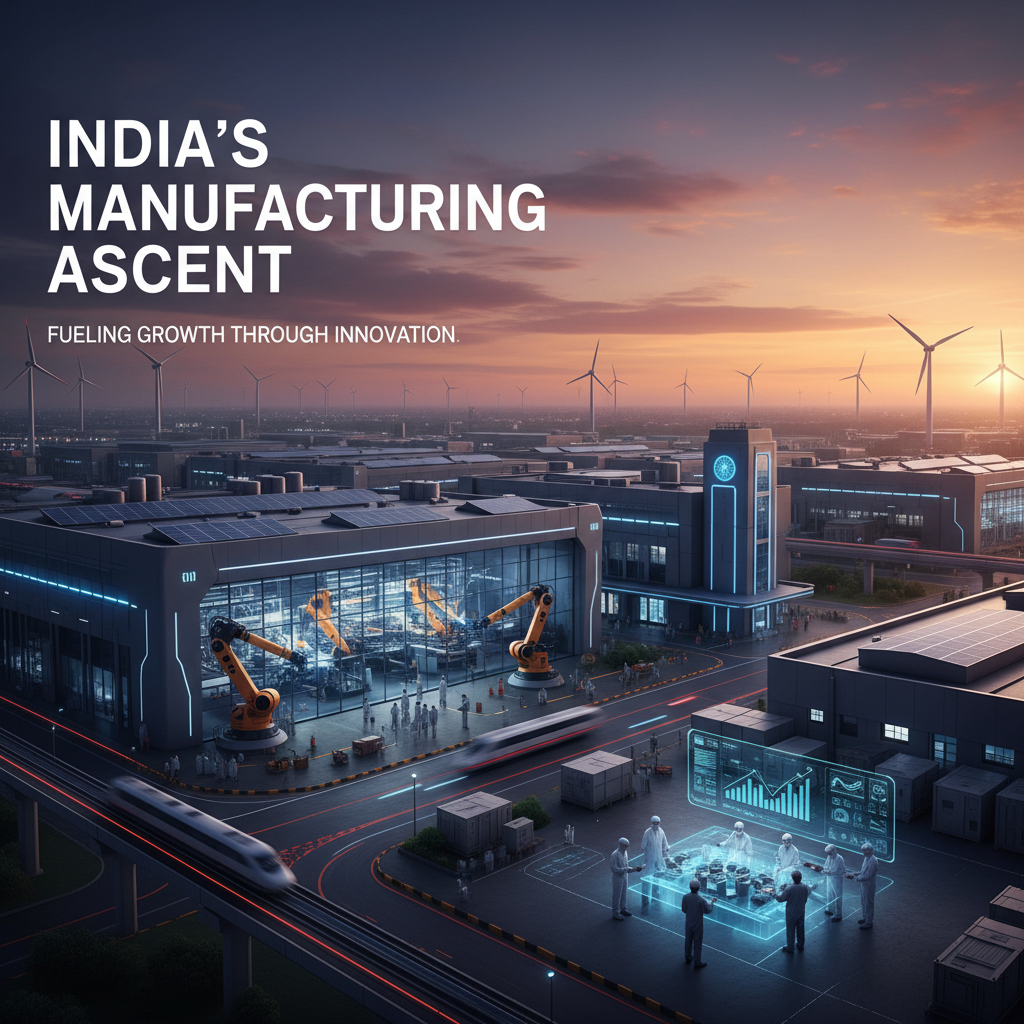






India’s economic future hinges on a strategic pivot towards modern manufacturing, as highlighted by recent reports. This shift is not merely about increasing production but about creating a robust ecosystem that fosters innovation, generates employment, and deepens supply chain capabilities. The nation’s aspiration to become a global production hub requires a concerted effort to integrate technology with manufacturing processes.
The Foundation: A Young Workforce and Strategic Vision
India’s demographic dividend, particularly its young workforce, is a critical asset in this transformation. The ability to scale manufacturing operations is directly linked to the availability of skilled labor. This workforce can drive efficiency and innovation. The vision extends beyond domestic needs, aiming to meet both domestic and international demand, thereby positioning India as a key player in the global supply chain. This strategic approach is essential for long-term economic growth and resilience.
Startups and MSMEs: Catalysts for Change
While startups are at the forefront of driving innovation, the role of Micro, Small, and Medium Enterprises (MSMEs) cannot be overstated. MSMEs are crucial in bridging the gap between ideation and production, translating innovative concepts into tangible products. This collaboration between startups and MSMEs creates a dynamic environment. It allows for rapid prototyping, agile manufacturing, and the ability to adapt quickly to changing market demands. Their combined efforts are instrumental in transforming India’s manufacturing landscape.
Technology Integration: The Key to Global Competitiveness
The integration of technology into manufacturing is paramount for achieving global production hub status. This involves adopting advanced technologies such as automation, artificial intelligence, and the Internet of Things (IoT). These technological advancements enhance productivity, improve quality control, and streamline operations. This technological integration is not only about efficiency but also about creating high-skilled jobs and attracting foreign investment. This strategy is critical for India to remain competitive in the global market.
Conclusion
India’s journey towards a manufacturing-driven economy is underway, supported by a young workforce, innovative startups, and the vital role of MSMEs. By embracing technology and focusing on both domestic and international markets, India is well-positioned to become a global production hub. This strategic focus promises substantial economic growth, job creation, and a strengthened supply chain, building a prosperous future for the nation.