


 No Comments





The air in the financial district always has a certain buzz, you know? Especially after a regulatory announcement. This time, it’s about gold, specifically, the digital kind.
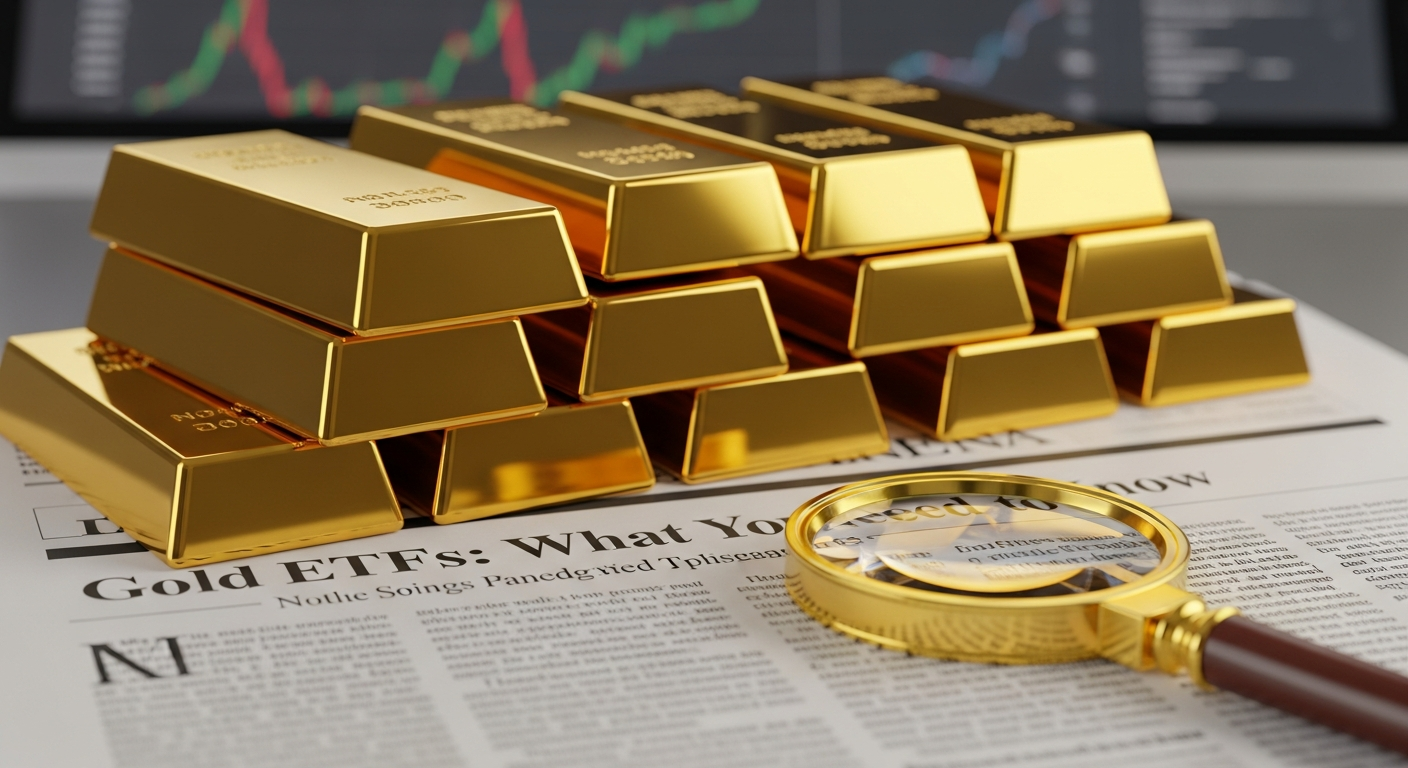
The Securities and Exchange Board of India (Sebi) – they’re the ones who made the recent statement, as per reports. They’re urging investors to think twice about those ‘digital gold’ or ‘e-gold’ products. The focus now, it seems, is on gold ETFs – Exchange Traded Funds, offered by Sebi-registered intermediaries.
It’s a shift, a nudge, maybe even a warning. Sebi’s concerns, at least as I understand it, stem from the risks associated with digital gold. The volatility, the lack of direct oversight… it’s a tricky landscape. The recommendation, though, is clear: consider gold ETFs instead. They offer a more regulated, transparent route, or so the argument goes.
The tricky part is understanding the nuances. What exactly are gold ETFs? How do they work? And are they really a safer bet? I tried to get a handle on it today, sifting through the reports, talking to a few people.
Basically, a gold ETF is a way to invest in gold without actually holding the physical metal. You buy shares that represent a specific amount of gold, and those shares are traded on the stock exchange. The price of the ETF typically mirrors the price of gold. And Sebi registered intermediaries are the ones who facilitate this.
One official, when asked about the shift, mentioned the need for investor protection. “We want to ensure investors have access to safe and regulated avenues,” they said. This was back in early November, the initial advisory was released.
The advantage is diversification and liquidity. You can buy and sell these ETFs easily, like any other stock. Plus, you don’t have to worry about storage or security, which is a definite plus. But, there are still fees involved, and the price will fluctuate with the market, of course.
Still, the market seems to be reacting, or maybe I’m misreading it. There’s a quiet sense of adjustment, a re-evaluation of portfolios. The shift from digital to ETFs, from what I’ve gathered, is more than just a recommendation, it’s a re-alignment.
It’s a reminder that in the world of finance, things are always, well, shifting. And it’s up to each of us to figure out what that means for our own investments.