


 No Comments





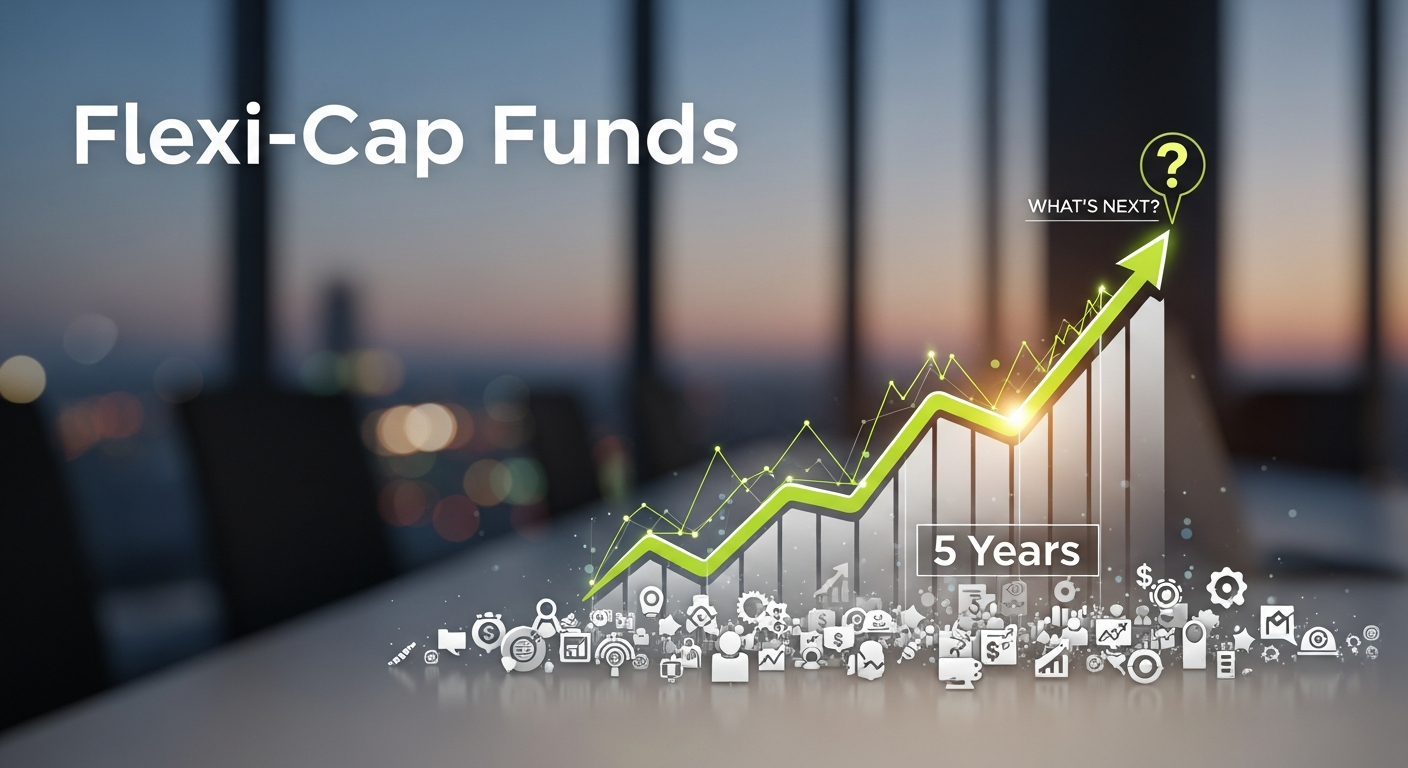
The numbers, you know, they jump out at you. Over 17% CAGR in the past five years. That’s what some flexi-cap mutual funds have managed, according to a recent report from Livemint. It’s enough to make anyone, or at least, any investor, sit up and take notice. The report, published on November 20, 2024, highlighted several schemes that have outperformed, drawing attention to a sector that’s been, well, pretty volatile.
The air in the financial district, where I was, felt… expectant. Or maybe it was just the usual hum of the trading floors. But there was definitely a buzz around. Everyone, it seemed, was talking returns. The tricky part is, past performance doesn’t guarantee future gains — something that financial advisors are always quick to point out, as per reports. Still, it’s a data point, a starting place.
What are flexi-cap funds, exactly? They’re mutual funds that have the flexibility to invest across companies of all market capitalizations — large, mid, and small. This gives fund managers a lot of room to maneuver, to shift investments based on market conditions, trying to find the best opportunities for growth. It sounds good, in theory anyway, and the returns over the last five years, as the Livemint report showed, seem to back that up.
I spoke with an analyst from a leading investment firm, and she said, “Investors are always looking for the next big thing, the next high-return opportunity, but it’s crucial to understand the risks involved.” That’s the key, I think. Understanding the risk. Because while a 17% CAGR is impressive, markets change. What worked in the past five years, from, say, 2019 to 2024, might not work in the next five.
It’s a reminder of how quickly things can shift. The market, the economy, investor sentiment—they’re all moving targets. And these funds? They’re designed to move with them, to adapt. But adaptation doesn’t always equal success, or maybe I’m misreading it.
So, what’s the takeaway? The Livemint report, and the funds it highlighted, are a starting point for research. Do your homework. Understand the risks. And don’t just chase the numbers, or so they say.