

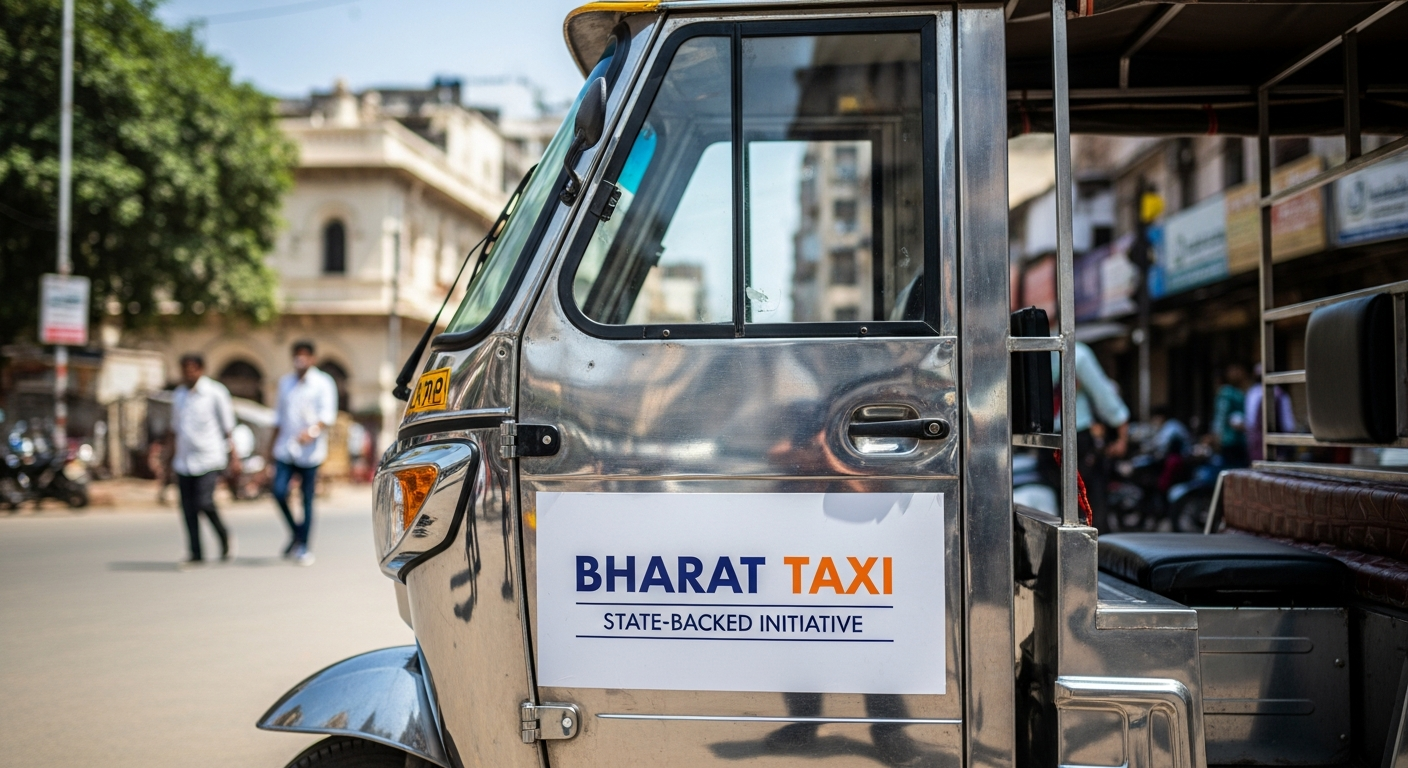







Union Home and Cooperation Minister Amit Shah informed Parliament that the state-backed ride-hailing service, Bharat Taxi, is slated for launch next month. This announcement marks a significant move by the government into the competitive transportation sector.
Context: The introduction of Bharat Taxi comes as the ride-hailing market in India continues to evolve. Existing players like Ola and Uber have established a strong presence, but the government’s entry could reshape the landscape. The move suggests a strategic initiative to provide an alternative to existing services, potentially influencing market dynamics and offering consumers a new option.
Analysis: The launch of Bharat Taxi, a “state-backed” initiative, raises several strategic questions. How will it compete with established private companies? Will it offer subsidized fares or other incentives? What will be the impact on existing market players? The government’s involvement could lead to increased competition, potentially benefiting consumers through lower prices or improved service quality. However, it also presents challenges, such as navigating regulatory hurdles and ensuring operational efficiency.
Implications: The launch of Bharat Taxi could have broad implications for the ride-hailing market and the broader economy. For startups and existing players, this means increased competition and the need to adapt strategies. For consumers, it could mean more choices and potentially lower prices. The government’s involvement also hints at a broader push to modernize and regulate the transportation sector. The success of Bharat Taxi will depend on its ability to offer a compelling service and effectively compete in a market dominated by private companies.
Keywords: Bharat Taxi, ride-hailing, Amit Shah, state-backed, launch, Parliament, economy, transportation, government, startup.
Source: Inc42 Media