

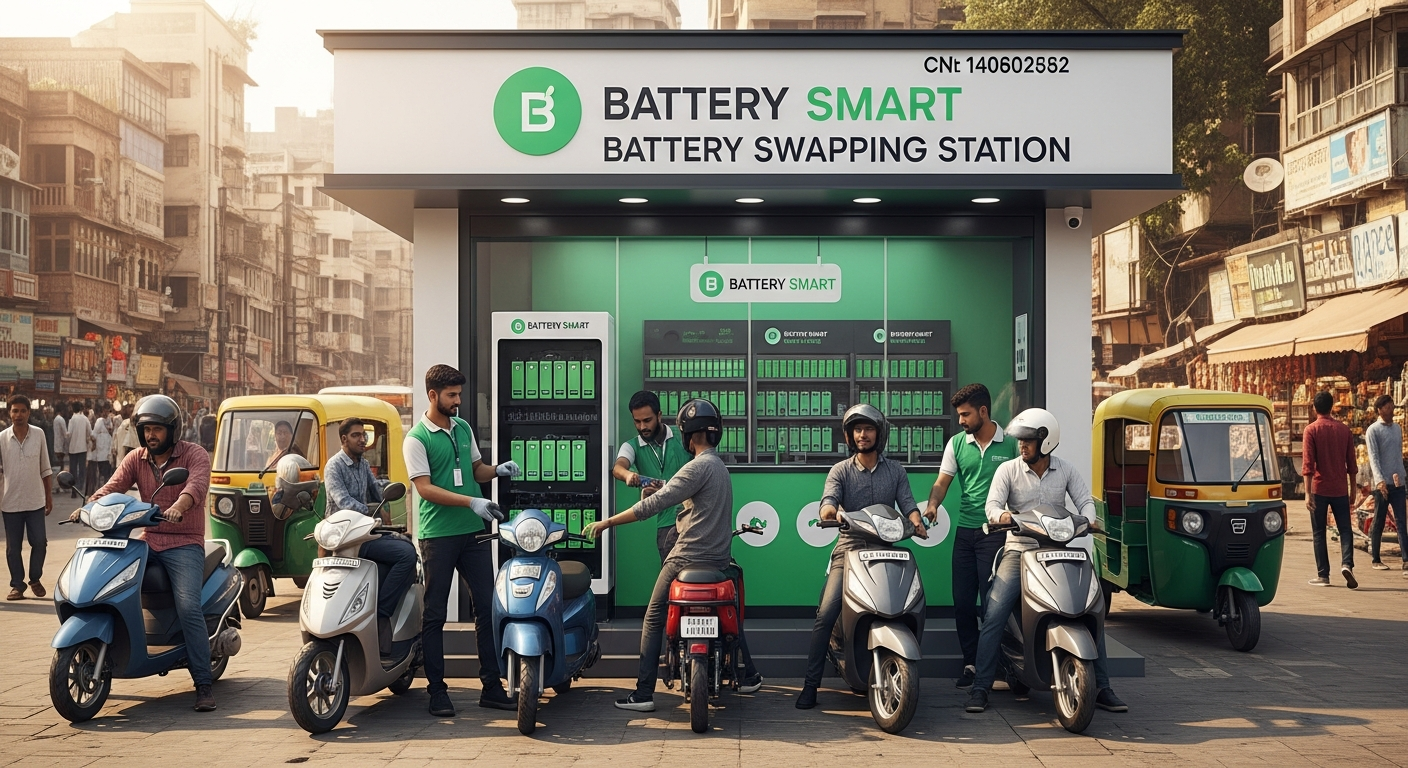







India’s electric mobility sector is experiencing rapid growth, and Battery Smart is at the forefront of this transformation. Founded in 2019, the company is aggressively building a battery swapping network across 50+ cities, signaling a significant advancement in the electric vehicle (EV) market. This expansion strategy offers valuable insights for startups operating in the innovation and markets space.
Context: The electric mobility sector in India is entering a defining phase, with increasing adoption of EVs. Battery Smart’s focus on battery swapping addresses a critical need: the lack of charging infrastructure and the time-consuming process of charging EVs. By offering a quick and convenient swapping solution, Battery Smart aims to accelerate the adoption of electric vehicles.
Analysis: Battery Smart’s playbook revolves around establishing an accessible and efficient network. This involves strategic partnerships, technology integration, and a deep understanding of local market dynamics. Their approach offers a competitive advantage by reducing the barriers to EV adoption. By focusing on battery swapping, Battery Smart is creating a sustainable ecosystem that supports both two-wheelers and three-wheelers, which are key segments in the Indian market.
Implications: The success of Battery Smart’s expansion has broad implications. It could influence the development of EV infrastructure across India and potentially set a precedent for other emerging markets. Furthermore, it could drive innovation in battery technology and swapping standards, benefiting the entire electric mobility ecosystem. The company’s growth also indicates the increasing viability of battery swapping as a business model, attracting further investment and competition.
Strategic Insights:
- Market Focus: Battery Smart’s success highlights the importance of identifying and addressing specific market needs. The battery swapping model directly tackles the range anxiety and charging time issues associated with EVs.
- Scalability: The company’s rapid expansion across numerous cities demonstrates a scalable business model. This approach is crucial for startups aiming to capture market share quickly.
- Partnerships: Strategic alliances are likely playing a pivotal role in their expansion, allowing them to leverage existing infrastructure and expertise.
Conclusion: Battery Smart’s ambitious plan to build a battery swapping network across 50+ cities underscores the potential of electric mobility in India. Their strategy provides valuable lessons for startups in the innovation and markets sectors, emphasizing the importance of a customer-centric approach, strategic partnerships, and a scalable business model. As the company continues to grow, it will be interesting to see how it shapes the future of electric vehicles in India.