


 No Comments





There’s been a quiet shift happening. Well, maybe not so quiet if you live in a coastal city. Sea levels are rising, and the usual solutions – seawalls and dikes – are, frankly, not cutting it. But a startup called Terranova has a pretty wild idea: terraforming robots.
I know, I know. It sounds like something out of a sci-fi movie. But honestly, it’s a pretty practical solution to a very real problem. The basic idea is to raise cities, not by building walls, but by… well, by actually raising them. Terranova is aiming to do this with robots, which, if it works, is a game-changer.
The company’s goal is to protect cities from the effects of climate change, specifically sea-level rise. Instead of fighting the water, they’re trying to get ahead of it. The founder of Terranova, whose name hasn’t been mentioned in the provided data, is the driving force behind this initiative, and their plan involves using advanced technology to reshape the urban landscape. It’s a bold move, but it’s exactly the kind of innovation we need right now.
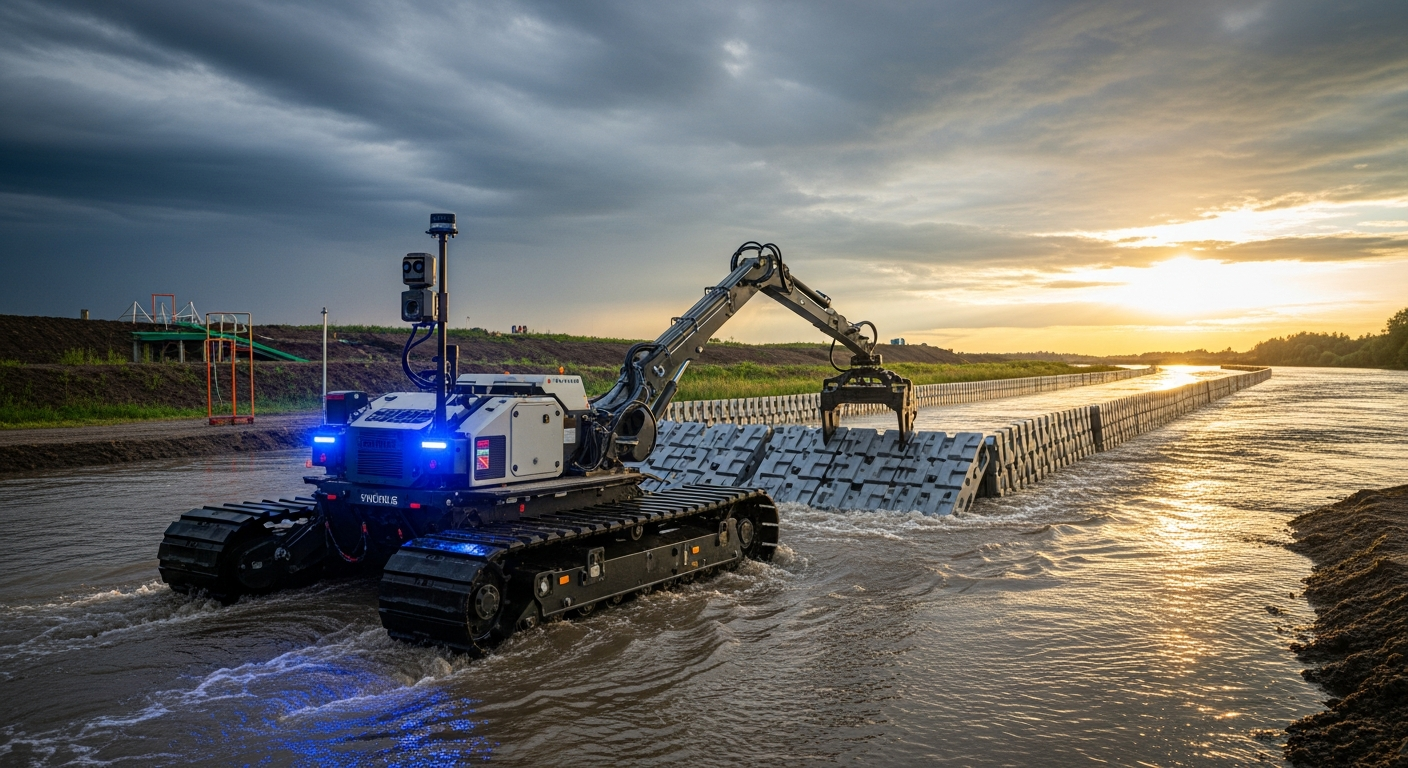
The core of their approach involves using terraforming robots. These aren’t your typical construction bots; they’re designed to manipulate the ground itself. The details of how they’ll work are, naturally, proprietary, but the concept is clear: raise the city, and protect it from rising waters. Think about it: instead of constantly reacting to floods, you’re proactively preparing for them.
Now, the specifics. The article mentions San Rafael as a potential testing ground. Imagine the logistics of this project! It’s not just about building; it’s about completely rethinking infrastructure and urban planning. It’s about figuring out how to raise a city without disrupting everything. The “how” is the million-dollar question, and it’s what makes this so interesting.
This is where the “why” comes in. Why are they doing this? Because the current methods of flood control, like seawalls and dikes, are often reactive and, frankly, sometimes ineffective. They’re also expensive and can have environmental impacts of their own. Terranova’s approach is designed to be more proactive and sustainable.
The technology is the “what.” Terraforming robots represent a new frontier in climate change adaptation. The idea of using robots to reshape the environment is pretty fascinating. The robots would be tackling a problem that’s only going to get worse. It’s a race against time, really.
But the “when” is also interesting. The article was published in November 2025. This shows how quickly things are evolving. Climate change is a pressing issue, and this is one of the many solutions that are being developed. It’s a sign of the times, honestly.
And the “where”? Well, the article mentions San Rafael, but the implications are far wider. Coastal cities everywhere are at risk, and if this technology proves successful, it could be a model for other places too. It’s a global problem, and it needs global solutions.
Anyway, it’s a pretty compelling vision. It’s easy to see why someone would be drawn to solving this problem. It’s not just about technology; it’s about protecting communities and safeguarding the future.