India’s IoT Security Framework Tackles Supply Chain Risks
By ThePip Desk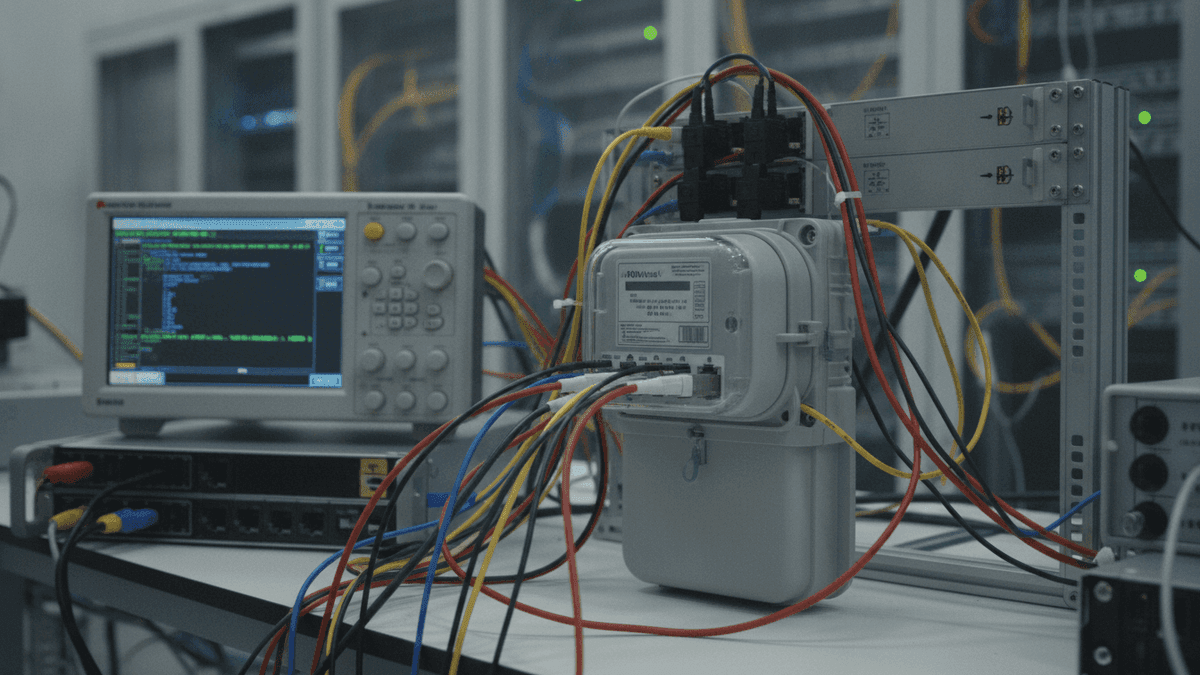
India is developing a cybersecurity framework for IoT devices to address vulnerabilities in imported products and secure critical digital infrastructure.
The Indian government is actively considering a new cybersecurity framework specifically designed for the burgeoning landscape of Internet of Things (IoT) devices. This initiative represents a critical structural response to inherent vulnerabilities found in a wide array of imported connected products, including essential smart meters, particularly those originating from nations like China. The move seeks to establish a foundational layer of trust and security across India’s rapidly expanding digital ecosystem.
This proposed framework addresses a fundamental market challenge: the incentive for cost-efficiency in global supply chains often outweighs immediate security considerations, leading to products with potential backdoors or weak defenses. As IoT devices proliferate across homes, factories, offices, and critical infrastructure, each insecure device becomes a potential entry point for sophisticated cyberattacks. The government’s intervention aims to correct this systemic oversight by mandating stringent security requirements irrespective of the product’s country of origin.
Drawing a parallel with existing regulations for CCTV cameras, this broader framework will implement stricter security and certification standards. The core mechanism involves a multi-pronged approach focusing on rigorous product testing, comprehensive vulnerability assessments, ensuring software integrity, and enhancing supply chain visibility. These measures are designed to preemptively identify and mitigate risks before devices are deployed, thereby fortifying national cybersecurity at its very base.
The increasing deployment of IoT devices presents an expanding attack surface, making robust and consistent security measures non-negotiable for national security. Without a unified standard, the sheer volume and diversity of connected devices create a fragmented security posture, ripe for exploitation. This framework is not merely about patching individual device flaws, but about establishing a durable mechanism to ensure all connected hardware entering the Indian market adheres to a minimum, verifiable cybersecurity baseline.
Ultimately, this regulatory push signifies a strategic recognition of how interconnected devices shape a nation’s digital sovereignty and resilience. By focusing on the structural patterns of supply chain security and instituting a clear framework for compliance, India aims to build a more secure digital future. This proactive stance underscores a commitment to safeguarding critical infrastructure and citizen data against the evolving threats in the global cyber landscape.