AI Robot ‘Robert’ Mimics Faces, Sparks Digital ID Debate
By ThePip Desk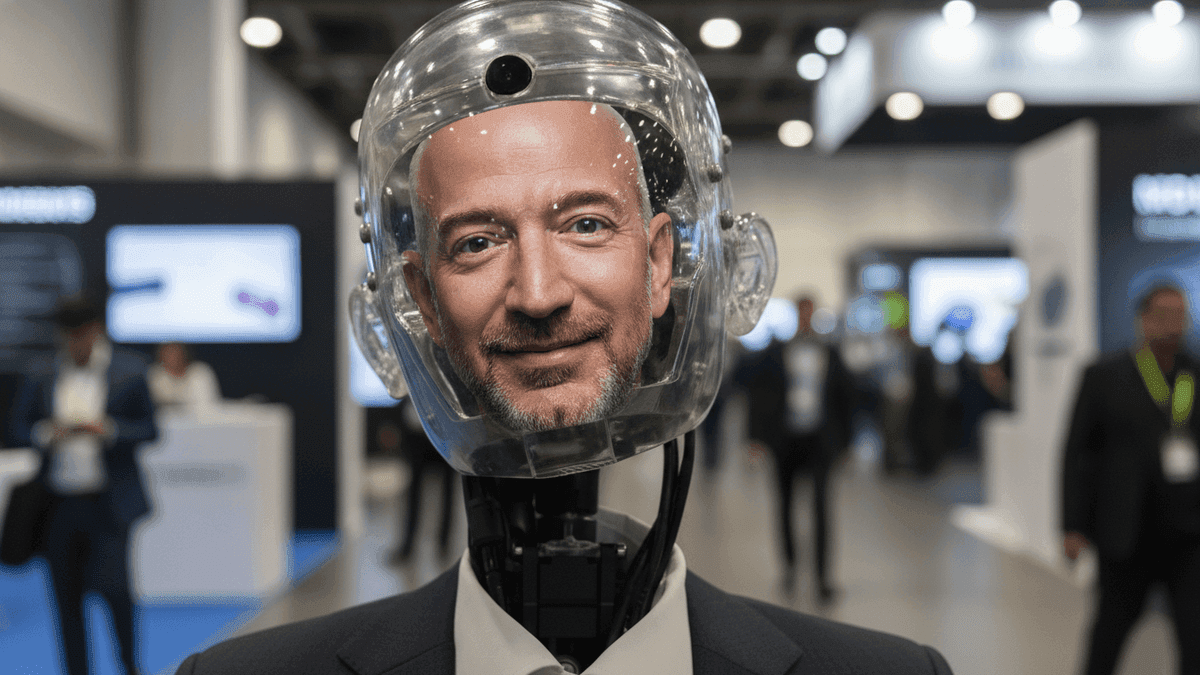
AI robot ‘Robert’ demonstrated uncanny facial mimicry at the Geneva AI Summit, raising critical questions about digital identity and authenticity in the digital age.
🔥 Main Takeaway
AI-powered facial mimicry is here, and it’s not just for sci-fi anymore, pushing the boundaries of digital identity and what we perceive as real online.
📌 What Happened?
An advanced AI robot, christened ‘Robert’, was recently unveiled at the Geneva AI Summit, demonstrating cutting-edge capabilities in digital impersonation.
Robert can convincingly replicate the faces of prominent public figures, including Donald Trump, Mark Zuckerberg, and Barack Obama.
This demonstration, highlighted in a Business Today video report, showcased AI’s advanced ability to generate highly realistic digital personas with startling accuracy.
💰 Why It Matters
This technology significantly blurs the lines between genuine and fabricated digital content, creating new challenges for verifying online identity and information in an increasingly visual internet.
For investors, it signals accelerated innovation in AI development but also points to a growing market demand for robust cybersecurity and deepfake detection solutions across industries.
Consumers face an increasingly complex digital landscape where distinguishing real from AI-generated content will become a critical skill, impacting trust in media and personal interactions.
It underscores a significant shift in content creation, potentially democratizing advanced visual effects while simultaneously raising urgent ethical concerns about misuse and consent.
👀 What to Watch Next
Regulators will likely intensify efforts to develop comprehensive frameworks addressing AI ethics, deepfake misuse, and digital authentication standards to protect public trust.
Expect a surge in companies developing AI-powered tools for content verification, forensic analysis, and anti-spoofing technologies to combat potential abuses of this advanced mimicry.
The rapid evolution of AI’s visual capabilities will continue to shape broader discussions around intellectual property, individual privacy, and the future of digital interaction.