Tate Extradition: Political Claims vs. UK Legal Framework
By ThePip Desk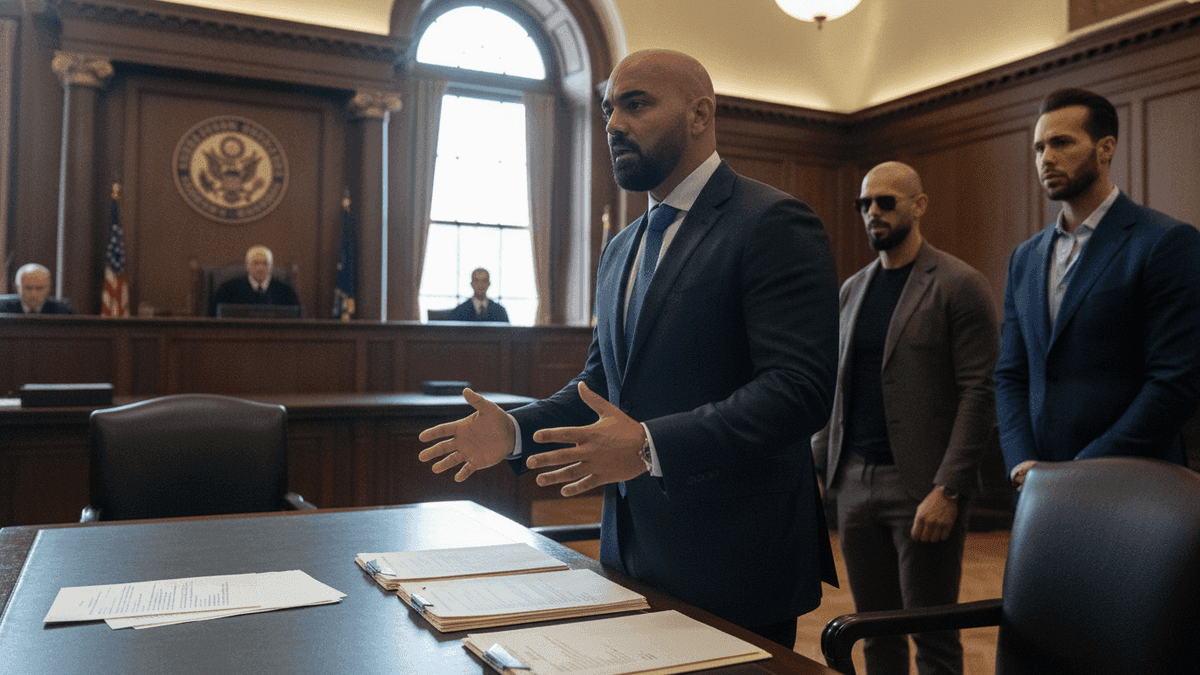
Andrew and Tristan Tate face UK extradition. Their lawyer claims sex crime charges are politically motivated, blaming Keir Starmer. Analyzing the legal framework.
Andrew Tate and his brother Tristan Tate are preparing to challenge their extradition to the United Kingdom, a legal development that follows their recent arrest and an appearance in federal court. Central to this defense strategy, Andrew Tate’s lawyer has publicly asserted that the sex crime charges originating from the UK are “political” in nature, directly attributing blame to Keir Starmer.
The Extradition Framework in Question
At its core, extradition represents a formal mechanism of international judicial cooperation, designed to ensure that individuals accused or convicted of crimes face justice in the jurisdiction where the alleged offenses occurred. This process typically operates under bilateral treaties or multilateral conventions, requiring a requesting state to present a prima facie case and adhere to specific legal protocols. The framework prioritizes legal merits and procedural fairness, often distinguishing sharply between criminal proceedings and political motivations.
Navigating Political Allegations in Legal Proceedings
The introduction of claims alleging political motivations, such as the lawyer’s assertion regarding Keir Starmer, presents a unique structural challenge within this established legal framework. While certain extradition treaties may include provisions for denying requests deemed “political offenses,” the burden of proof for such a designation is exceptionally high. Legal systems are inherently designed to operate independently of direct political interference, emphasizing objective evidence and due process over partisan considerations.
This dynamic highlights a critical tension: the desire to leverage public and political discourse as part of a defense, versus the judiciary’s mandate to apply law based on evidence. Accusations of political targeting, while powerful in the court of public opinion, must withstand rigorous scrutiny within a federal court’s jurisdiction, where the focus remains on the legal sufficiency of the extradition request itself.
The ongoing proceedings will therefore serve as a case study in how established legal mechanisms process and ultimately reconcile, or reject, claims of political interference. The outcome will not only determine the immediate fate of the Tate brothers but also offer insights into the resilience of judicial independence when confronted with high-profile political blame. This situation underscores the critical distinction between legal accountability and political commentary.