Hegseth’s Testosterone Mandate: Military Readiness Redefined
By ThePip Desk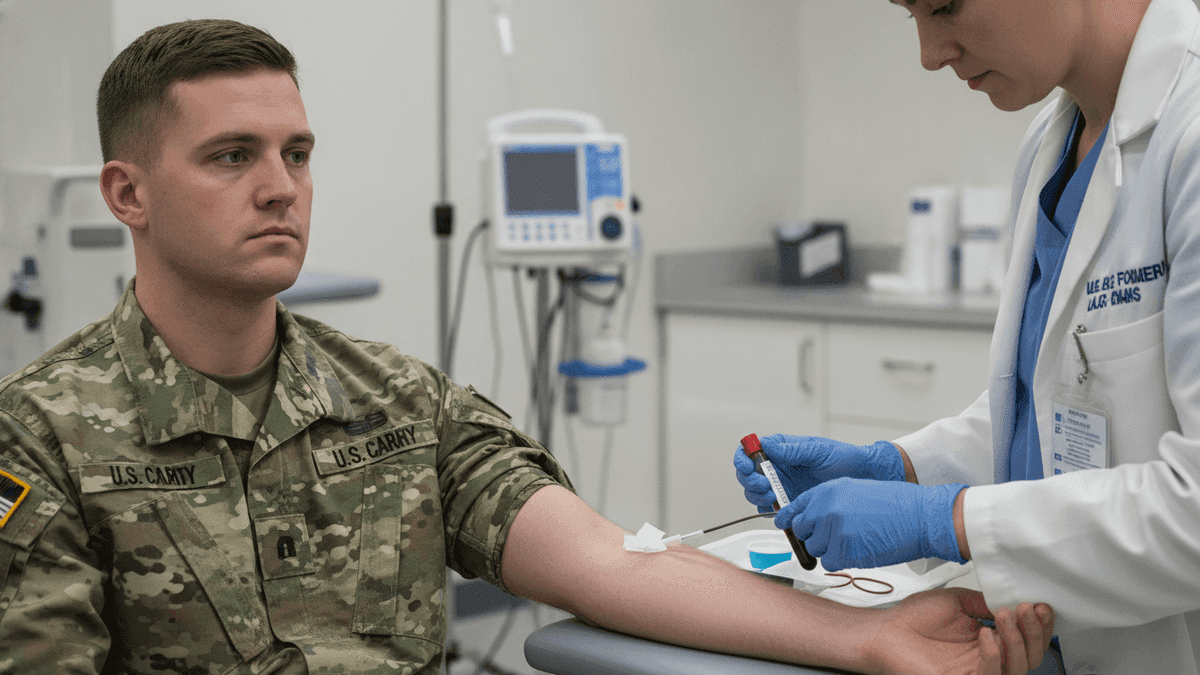
Defense Secretary Hegseth’s new mandate for annual testosterone screenings for service members over 30 signals a major shift in military health and readiness strategy.
Defense Secretary Pete Hegseth has mandated annual testosterone screenings for U.S. service members aged 30 and older, signaling a notable structural shift in how the military approaches human performance as a strategic asset. This directive, which offers voluntary testosterone replacement therapy (TRT) to those diagnosed with low testosterone, integrates a specific health intervention directly into the core mission of maintaining troop lethality and peak physical condition.
At its core, this policy reflects an evolving first-principles understanding of military readiness. Traditionally, readiness has focused on training, equipment, and tactical deployment. Hegseth’s announcement expands this definition to explicitly include physiological optimization, treating the biological state of individual service members as a critical, measurable component of collective defense capability. This move suggests a framework where human capital is not merely maintained but actively optimized through medical intervention to meet demanding operational requirements.
The policy’s mechanism is straightforward: annual screenings will become a routine part of military health assessments for the specified age group, while service members under 30 retain the option for voluntary testing. The voluntary nature of TRT post-diagnosis balances individual autonomy with institutional objectives, offering a path to address a physiological factor identified as potentially impacting performance. This highlights an institutional commitment to leveraging medical science to enhance, rather than just restore, the physical attributes deemed essential for military service.
However, such a significant policy shift inevitably sparks debate. Critics often raise questions surrounding the long-term health implications of widespread hormone therapy, the ethical considerations of medical mandates, and the potential for unintended consequences on military culture or individual privacy. The discussion extends to the economic implications of such a program, including the costs of screening, diagnosis, and ongoing treatment, which must be weighed against the projected benefits in readiness.
What many might overlook is that this initiative is not merely about addressing a health concern; it’s about a systemic re-evaluation of what constitutes