India Imposes Prior Approval for Silver Imports
By Market Desk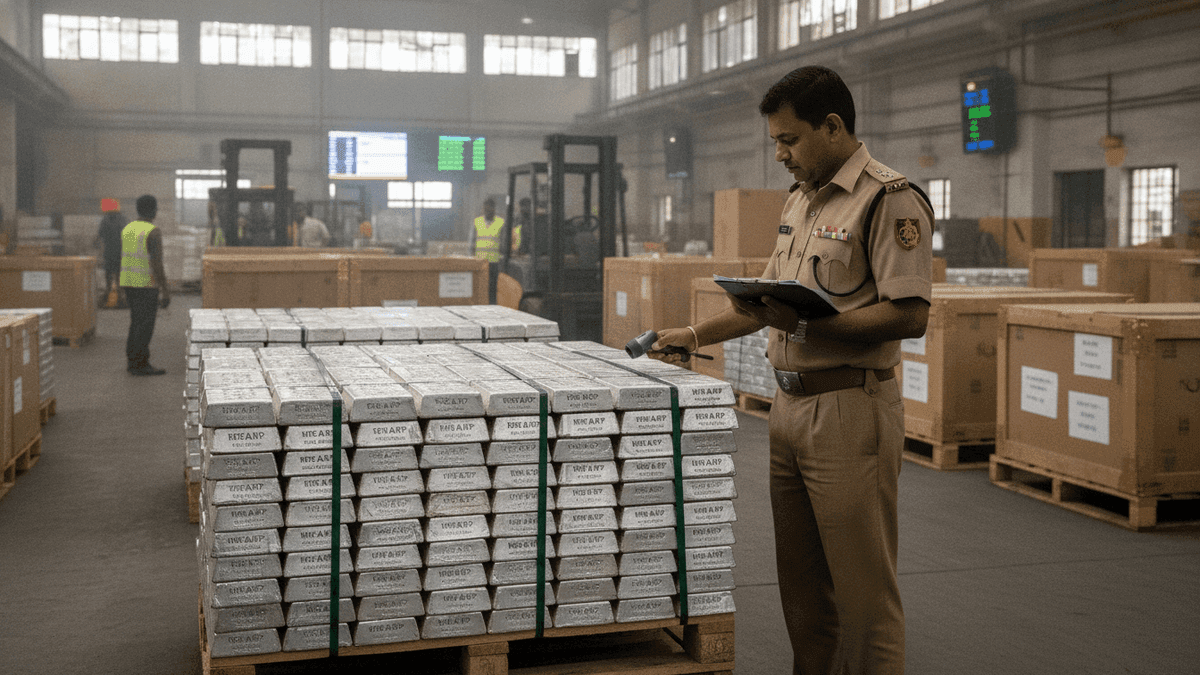
India mandates prior government approval for specific silver imports, shifting from a duty-based system and impacting key industries. Learn more.
The Indian government has introduced a new regulatory layer for silver imports, now requiring prior authorization for certain forms of the metal. This marks a significant shift from its previous duty-based system.
This change grants officials greater control over the volume and flow of silver into the domestic market. Such regulatory updates often follow periods of market adjustments, aiming to stabilize supply dynamics.
Key details underpin this regulatory shift.
Silver imports in May plummeted to a three-year low.
The effective import duty also saw a significant increase, moving from 6% to 15%.
Impact on Industries and Market Dynamics
The new approval requirement introduces an additional bottleneck, directly impacting industries reliant on silver. Companies in the electronics, jewelry, and solar panel manufacturing sectors face potential increases in lead times and administrative costs.
Stricter controls underscore silver’s dual importance as an industrial raw material and a precious metal investment. Reduced availability of imported silver could lead to higher premiums in the local market, as domestic supply might struggle to meet demand.
Navigating Future Market Uncertainty
Investors with exposure to precious metal stocks or companies with high silver consumption should note this policy environment. It increases uncertainty regarding raw material sourcing and overall cost management.
The speed and consistency of these new government approvals remain a critical variable for the market. Participants will monitor for clarity on approval timelines and whether these restrictions represent a temporary measure or a permanent shift.
The ultimate impact on market prices will hinge on how quickly domestic refiners can compensate for restricted imports. It also depends on how industrial users manage their inventory levels amid increased supply chain complexity.