Indus Waters Treaty Suspension: A Structural Threat to Law
By ThePip Desk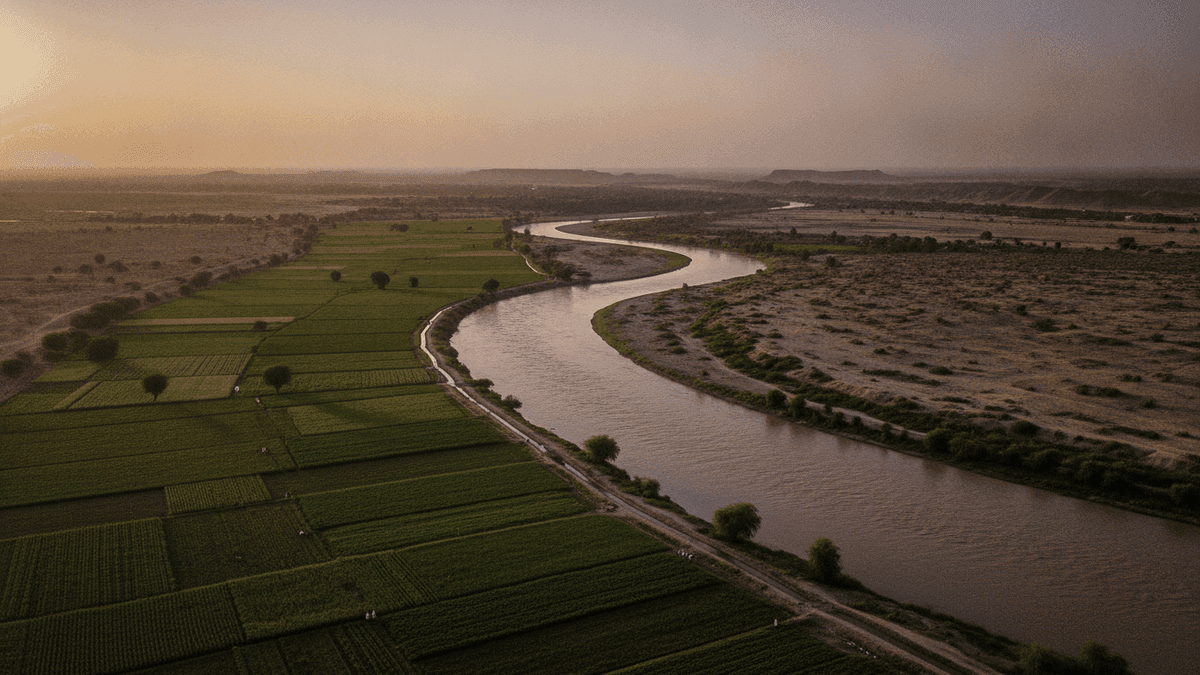
Sindh CM condemns India’s bid to suspend the Indus Waters Treaty, highlighting structural risks to international law and treaty sanctity.
Sindh Chief Minister Syed Murad Ali Shah has strongly condemned India’s unilateral attempt to suspend the Indus Waters Treaty (IWT), framing it as a reckless violation of established international law and treaty obligations. The Chief Minister articulated that the IWT stands as a binding international agreement, one that has demonstrably endured through periods of war and decades of persistent regional tensions, underscoring its foundational rather than merely political nature.
The Enduring Structure of International Treaties
The core mechanism of international agreements like the Indus Waters Treaty rests on the principle of mutual consent and the sanctity of signed commitments. Shah asserted that India possesses no legal or moral authority to unilaterally suspend or abrogate this treaty. Such an action, he argued, directly undermines the very framework governing transboundary rivers and sets a dangerous precedent for the stability of international accords.
This structural challenge extends beyond a single pact, impacting the broader system of international law. The IWT’s resilience through historical conflicts highlights its design as a durable instrument for managing shared resources. Any move to bypass such an agreement unilaterally suggests a disregard for the foundational principles that allow nations to coexist and manage common interests.
The Systemic Risk of Unilateral Abrogation
The implications of weaponizing water, a term used by Shah, are profound and systemic. Such actions threaten not only immediate peace and stability but also the long-term livelihoods of millions across Pakistan. The River Indus is not merely a geographic feature; it constitutes the economic and cultural lifeline of Pakistan, particularly for Sindh, having sustained its civilization, agriculture, economy, and identity for millennia.
Shah emphasized that any aggression against the waters of the Indus inherently constitutes an aggression against the people of Sindh and Pakistan. This perspective highlights the inextricable link between natural resources, national security, and human well-being. The Pakistan Peoples Party has consistently advocated for the protection of Pakistan’s water rights, with leaders like Shaheed Zulfikar Ali Bhutto, Shaheed Mohtarma Benazir Bhutto, President Asif Ali Zardari, and Chairman Bilawal Bhutto Zardari all playing roles in this ongoing commitment.
The durable takeaway from such geopolitical friction is clear: the integrity of international treaties, particularly those governing shared vital resources, is paramount. Unilateral actions risk destabilizing established norms and can precipitate cascading effects on regional stability and economic security. The challenge posed by such attempts calls into question the very mechanisms designed to prevent conflict over shared natural assets.