Minnesota Medicaid Fraud: $700M Allegations Expose Systemic Flaws
By ThePip Desk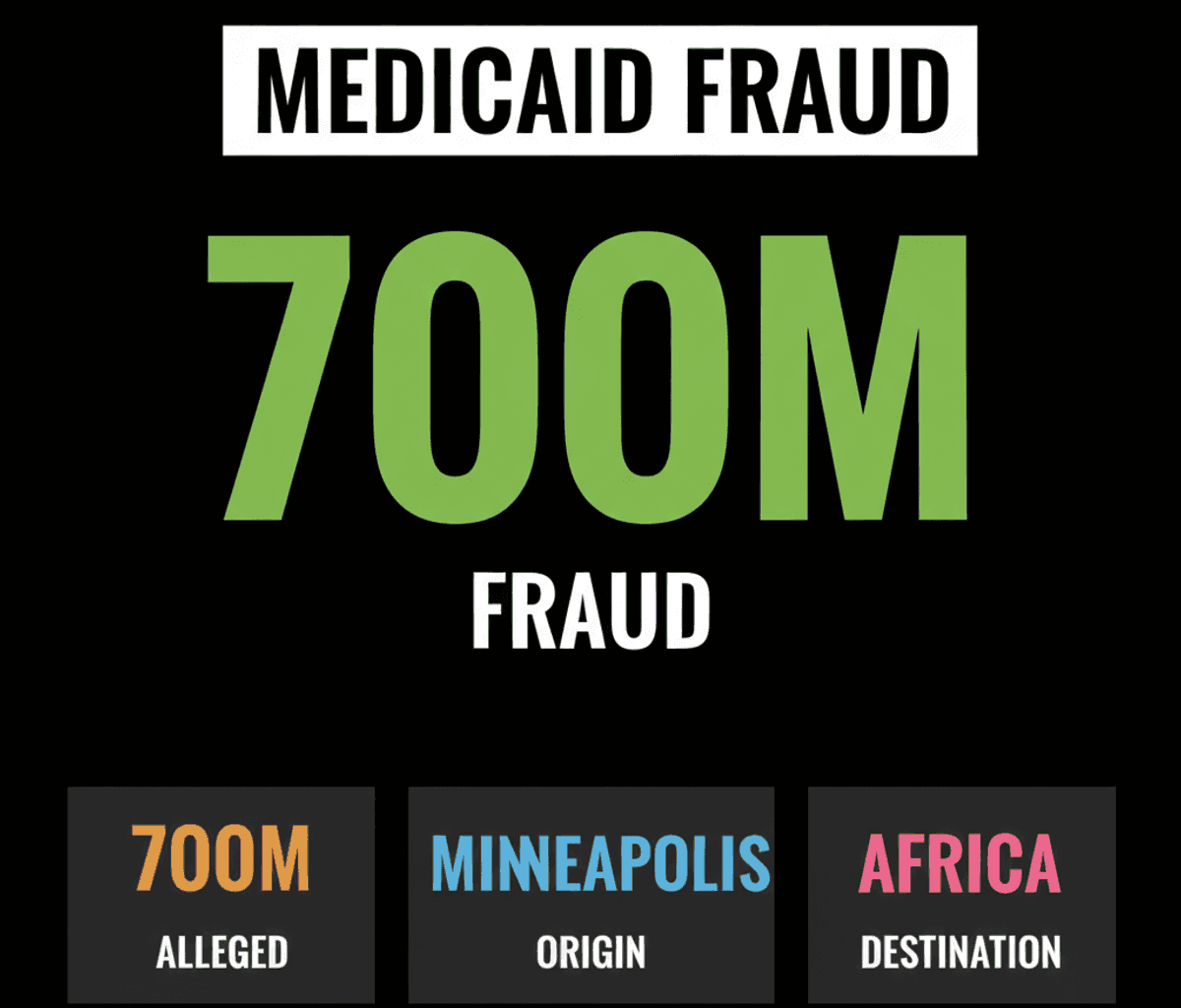
Allegations of $700M Minnesota Medicaid fraud, involving illicit transfers to Africa, reveal critical vulnerabilities in public program oversight and financial safeguards.
Allegations of a staggering $700 million in Medicaid fraud, reportedly involving illicit cash transfers from Minneapolis-Saint Paul International Airport to various African nations, have brought into sharp focus the structural vulnerabilities inherent in large-scale public assistance programs. During a recent Senate Homeland Security Committee hearing, independent investigative journalist Nick Shirley testified alongside Senator Ron Johnson, unveiling claims that underscore the immense challenge of safeguarding taxpayer funds against sophisticated, cross-border financial misconduct.
At its core, the alleged fraud highlights a fundamental tension within expansive welfare systems like Medicaid: the imperative for broad accessibility versus the stringent need for robust fraud prevention. The sheer volume of transactions and beneficiaries within such programs creates a vast surface area for exploitation. When these systems are designed to minimize barriers to entry, they can inadvertently open pathways for organized illicit activity to siphon off funds, exploiting the very mechanisms intended to provide social safety nets.
The reported movement of $700 million in physical cash out of a major U.S. airport to destinations in Africa, as detailed by Shirley, points to a recurring pattern in large-scale financial malfeasance: the use of informal value transfer systems or bulk cash smuggling to bypass traditional banking oversight. This mechanism, often leveraged in cases of money laundering, exploits gaps in international financial surveillance, allowing funds derived from alleged fraud to exit the domestic economy and enter jurisdictions with potentially less stringent financial controls. Such a scale of alleged cash transfer suggests a highly organized network, capable of logistical execution that transcends typical individual criminal acts.
For regulatory bodies tasked with overseeing Medicaid, these allegations present a complex enforcement challenge. The distributed nature of healthcare providers, the volume of claims processed daily, and the often-complex billing structures create an environment where identifying systemic fraud, particularly when it involves multiple actors and international components, requires significant investigative resources and cross-agency cooperation. The alleged scale in Minnesota suggests that traditional auditing and oversight mechanisms may have been insufficient to detect or deter such an extensive scheme.
The public spotlight cast by the Senate hearing, driven by figures like Senator Johnson and the diligent work of investigative journalists such as Nick Shirley, is crucial. It serves as a vital feedback loop, forcing a critical re-evaluation of the administrative and financial controls within public programs. Without such scrutiny, the patterns of exploitation can persist, eroding public trust and diverting essential resources from their intended beneficiaries. This process of legislative inquiry and journalistic exposure is often the first step in identifying the systemic weaknesses that enable such large-scale alleged fraud to flourish.
Looking ahead, the implications extend beyond the immediate allegations. The reported $700 million figure, if substantiated, represents a substantial loss of taxpayer money and a significant breach of public trust. It compels a deeper examination into the resilience of financial oversight frameworks, both domestically and internationally, against increasingly sophisticated illicit networks. Understanding the structural pathways that permit such alleged outflows is paramount for fortifying future defenses, ensuring that public funds serve their intended purpose rather than fueling cross-border criminal enterprises.