G20 Faces Afghanistan Aid Crisis: A Structural Challenge
By ThePip Desk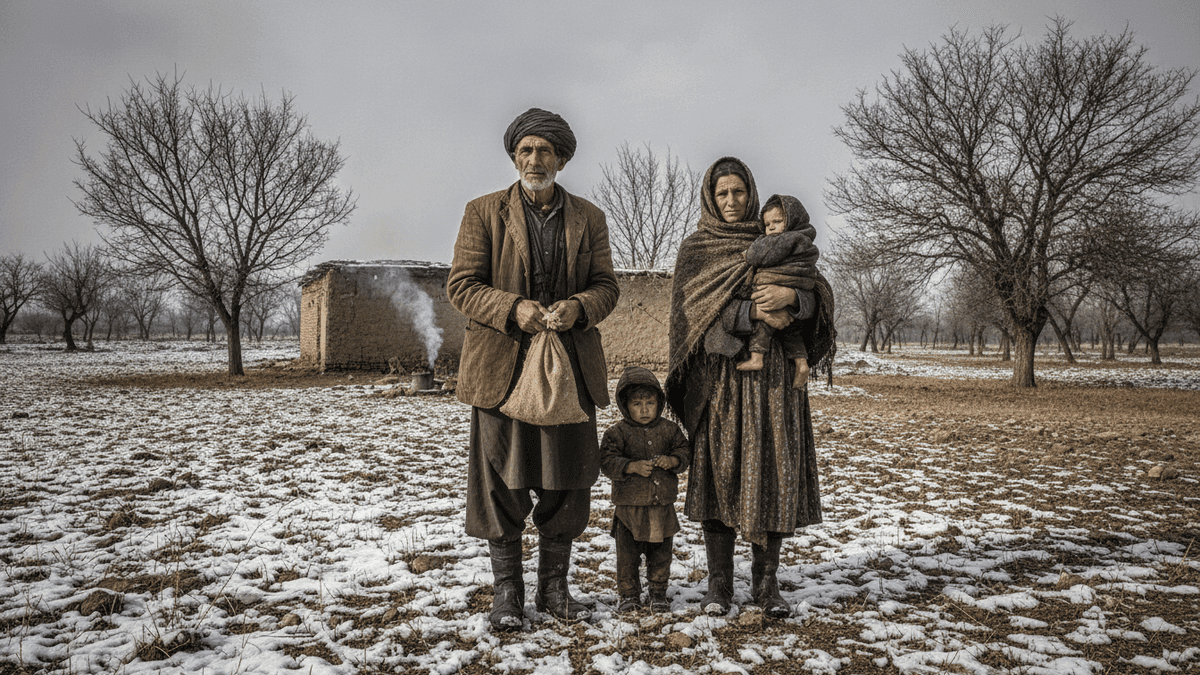
UN humanitarian chief urges G20 to prioritize Afghanistan amid a systemic aid challenge. Over 12 million face winter food shortages, highlighting a global governance gap.
United Nations humanitarian chief Martin Griffiths recently issued a stark warning to G20 world leaders, urging immediate prioritization of Afghanistan’s critical needs. This urgent appeal underscores a recurring structural challenge in global governance: the often-delayed response to impending humanitarian crises, particularly as winter approaches and over 12 million people in Afghanistan face severe food insecurity.
At its core, this situation exemplifies a collective action problem within the international system. While the immediate trigger is Afghanistan’s dire circumstances, the underlying mechanism involves the complex interplay between national sovereign interests and the universal imperative for humanitarian intervention. Griffiths’ call serves as a crucial signal, highlighting the systemic lag in mobilizing coordinated resources against predictable seasonal pressures on vulnerable populations.
The data point is stark: more than 12 million individuals require food assistance, a figure that escalates dramatically with the onset of winter. This is not merely an isolated event but a pattern observed in various regions where geopolitical complexities intersect with environmental vulnerabilities. The G20, as a forum for the world’s major economies, holds significant capacity to influence resource allocation, yet its mechanisms for rapid humanitarian deployment often contend with competing domestic and strategic priorities.
Understanding this framework requires acknowledging that humanitarian appeals, while crisis-driven, often reflect predictable cycles. The approaching winter in Afghanistan is a known variable, transforming a chronic food insecurity issue into an acute emergency. The analytical lens here points to the need for proactive, rather than reactive, frameworks in international aid—a shift from ad-hoc responses to integrated, pre-emptive strategies that account for seasonal and structural vulnerabilities.
What many observers might misunderstand is that the efficacy of global humanitarian efforts is not solely a matter of financial commitment, but of political will and structural coordination. The challenge is less about the quantum of aid and more about the speed, agility, and cross-border alignment required to deliver it effectively before conditions deteriorate further. The G20’s response, or lack thereof, to Griffiths’ warning will not only impact Afghanistan but will also set a precedent for how the international community addresses similar structural humanitarian imperatives.
One Thing to Consider Today
When evaluating global crises, it is worth considering whether the appeal represents an unforeseen shock or a predictable, recurring structural challenge that demands a more integrated, long-term international response framework rather than just emergency funding.