Financial Freedom Elusive Despite Easy Investing
By ThePip Desk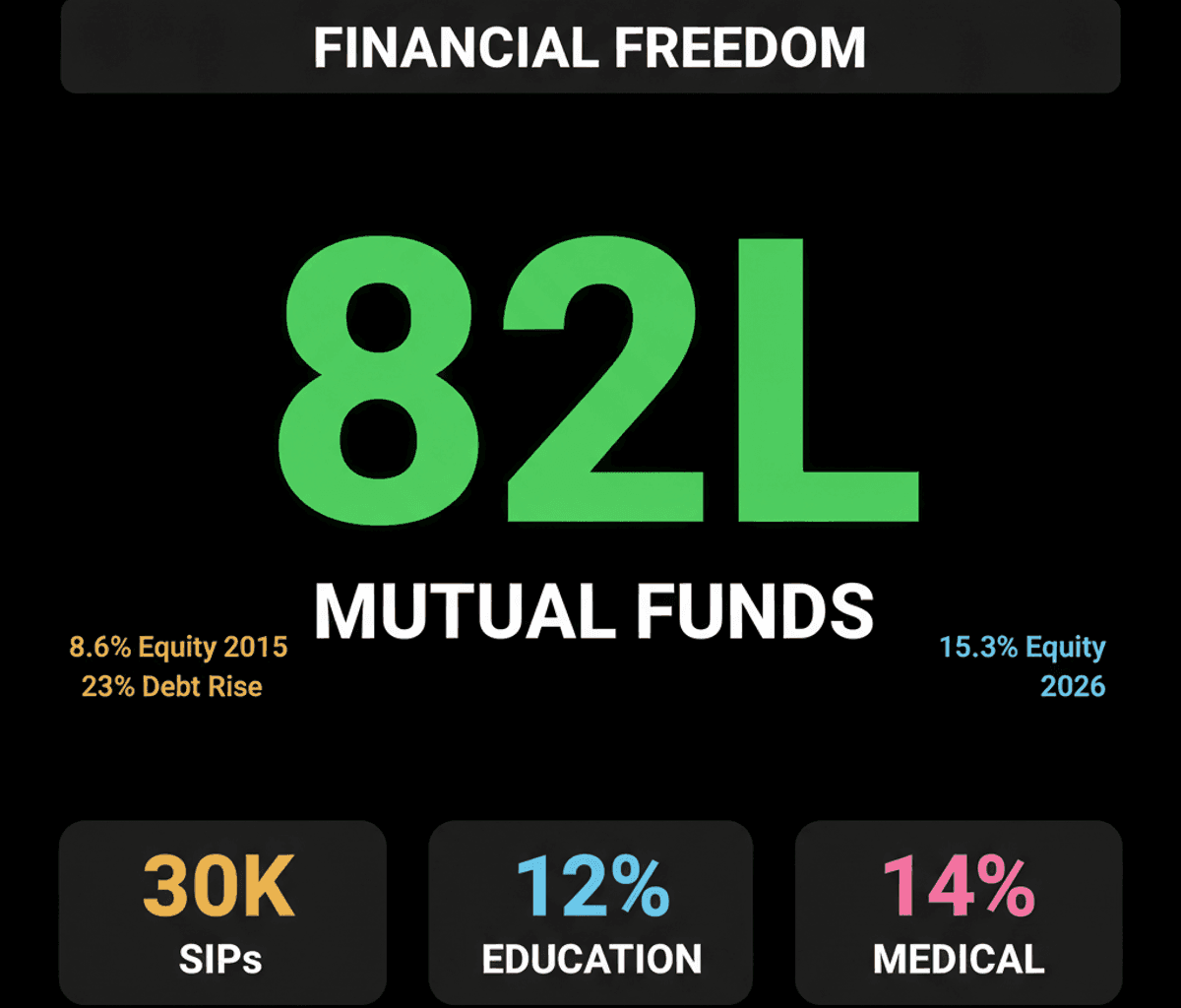
Discover why financial freedom remains a challenge for many, despite the unprecedented accessibility and diversity of modern investment options.
You might feel like getting financially free is a distant dream, even though investing your money has never been easier. This paradox is a real challenge for many families today, as the path to financial stability seems increasingly difficult despite readily available options.
Think about it: 15 to 20 years ago, your investment choices were limited to things like Fixed Deposits, PPF, and insurance policies, and getting into the stock market was a complex task. Today, the landscape is entirely different, offering you a wealth of accessible tools right from your phone.
Your New Investment Toolkit
Now, you have a wide array of options at your fingertips, making investing simpler than ever:
- Systematic Investment Plans (SIPs)
- Mutual funds
- Bonds
- Digital gold
- National Pension System (NPS)
- Real Estate Investment Trusts (REITs)
- Infrastructure Investment Trusts (InvITs)
- Foreign stocks
These options often come with low minimum investment amounts, opening doors for many first-time earners.
Key Investment Numbers You Should Know
The growth in investment accessibility is clear when you look at the figures:
- The mutual fund industry’s Assets Under Management (AUM) have crossed Rs 82 lakh crore.
- Monthly SIP inflows are projected to exceed Rs 30,000 crore by June 2026.
These numbers show a significant shift towards more people engaging with diverse investment products.
The Real Challenge: Surging Life Goal Costs
Despite easier investing, the primary hurdle to financial freedom is the escalating cost of major life goals. Things like buying a home, paying for education, and planning for retirement have become far more expensive.
Consider these rising costs:
- Education costs are increasing by 10-12% annually.
- Medical inflation, which impacts your retirement planning, runs at 10-14% annually.
Even if your income grows, these essential expenses often outpace your earnings, making financial freedom feel more out of reach.
Where Your Money Still Sits
While equity investments have seen a rise, moving from 8.6% of household financial assets in March 2015 to 15.3% in March 2026, many households still rely on traditional options. Over half of Indian households’ financial assets remain in low-return bank deposits and other debt instruments.
Manish Srivastava, Executive Director at Anand Rathi Wealth Limited, explains that true financial freedom isn’t just about having many product choices. It’s fundamentally about having the right financial plan and the discipline to stick to it.
Battling Lifestyle Inflation
As your income grows, it’s natural to want to upgrade your lifestyle, but this can become a significant hurdle. This ‘lifestyle inflation’ often leads to increased expenses rather than increased investments, hindering your progress.
The numbers reflect this trend, with the average debt per borrower rising by 23% between March 2023 and March 2025. This shows that many are taking on more debt as their incomes increase.
Practical Steps for Your Financial Journey
To overcome these challenges, Srivastava suggests a fundamental shift in your approach to money:
- Reverse the common formula from