Nvidia RTX Spark: AI Revolution for Windows PCs
By Sivam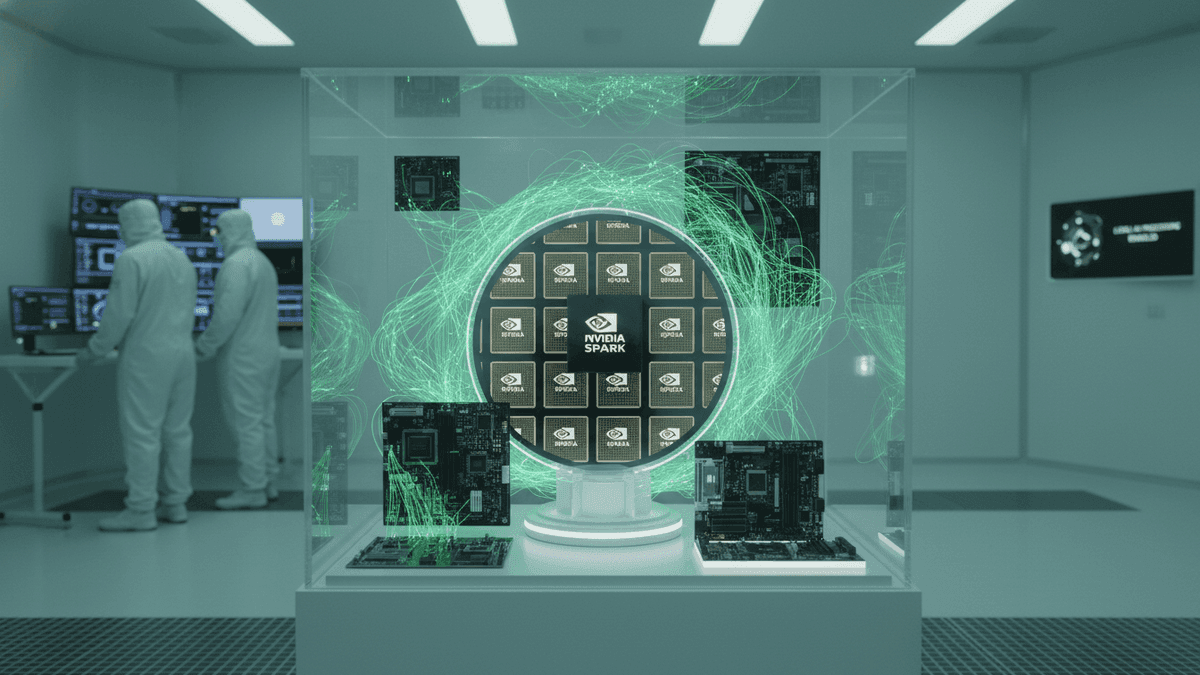
Nvidia’s RTX Spark integrates CPU, GPU, and memory for on-device AI agents, aiming to revolutionize Windows PCs like Apple Silicon did for Macs.
Nvidia Unveils RTX Spark to Transform Personal Computing
Nvidia has officially unveiled RTX Spark, a new chip meticulously designed to integrate advanced artificial intelligence capabilities directly into personal computers. This strategic development is positioned to profoundly transform the PC landscape, drawing significant comparisons to the fundamental impact Apple Silicon has had on the performance and efficiency of Mac computers since its introduction.
The core objective behind RTX Spark is to empower a new generation of AI agents, enabling them to execute complex and data-intensive tasks locally on a device. This on-device processing capability is critical for enhancing user privacy, significantly reducing computational latency, and ensuring more robust and responsive AI performance without constant reliance on external cloud infrastructure.
Integrated Architecture Powers Local AI Tasks
At the heart of Nvidia’s innovation lies the RTX Spark’s integrated architecture. This groundbreaking design combines a central processing unit (CPU), a graphics processing unit (GPU), and dedicated memory onto a single, cohesive chip. This unified approach is specifically engineered and optimized for efficiently handling intensive local AI workloads, marking a pivotal shift in personal computing hardware.
The seamless synergy between these integrated components facilitates unparalleled efficiency in processing a wide spectrum of AI demands, ranging from sophisticated natural language understanding and generation to advanced real-time image recognition and machine learning algorithms. This integrated and optimized approach is anticipated to unlock entirely new possibilities for software developers and end-users, fostering a vibrant ecosystem of AI-native applications that run directly on the PC.
Major PC Makers Set to Adopt RTX Spark
The technology industry is closely watching the imminent market introduction of new personal computers that will be powered by Nvidia’s revolutionary RTX Spark chip. Leading personal computer manufacturers across the globe are reportedly in the advanced stages of preparing to launch these innovative devices, with their widespread availability anticipated in the very near future.
This significant and broad adoption by prominent original equipment manufacturers (OEMs) underscores a collective industry confidence in RTX Spark’s potential to fundamentally redefine the capabilities and user experience of personal computing. The extensive collaboration between Nvidia and these major PC makers signifies a concerted strategic push towards integrating powerful and pervasive AI capabilities as a standard, rather than an optional, feature across the entire Windows ecosystem.
Paving the Way for AI-Native Windows Machines
Nvidia’s introduction of RTX Spark is poised to usher in a transformative new era characterized by AI-native Windows machines. This anticipated transformation is expected to extend far beyond incremental performance enhancements, fundamentally altering how users interact with their computers and expanding the types of sophisticated applications they can execute directly on their local devices.
By equipping Windows PCs with robust, high-performance, and on-device AI processing capabilities, the RTX Spark aims to make artificial intelligence a ubiquitous, seamless, and deeply integrated part of the everyday computing experience. This profound technological shift could lead to the development of more intelligent and adaptive operating systems, highly personalized user interfaces, and an entirely new generation of applications that leverage local AI for unprecedented levels of responsiveness, efficiency, and advanced functionality.
This strategic innovation firmly positions Nvidia at the vanguard of the burgeoning AI PC movement, potentially establishing a new industry benchmark for both performance and advanced capability within the highly competitive personal computing sector. The long-term implications for software development paradigms, overall user productivity, and future hardware design principles are expected to be substantial, mirroring the significant technological shifts observed during previous major platform transitions in computing history.