Google’s Noto 3D Emojis Now Open-Source
By Technology Desk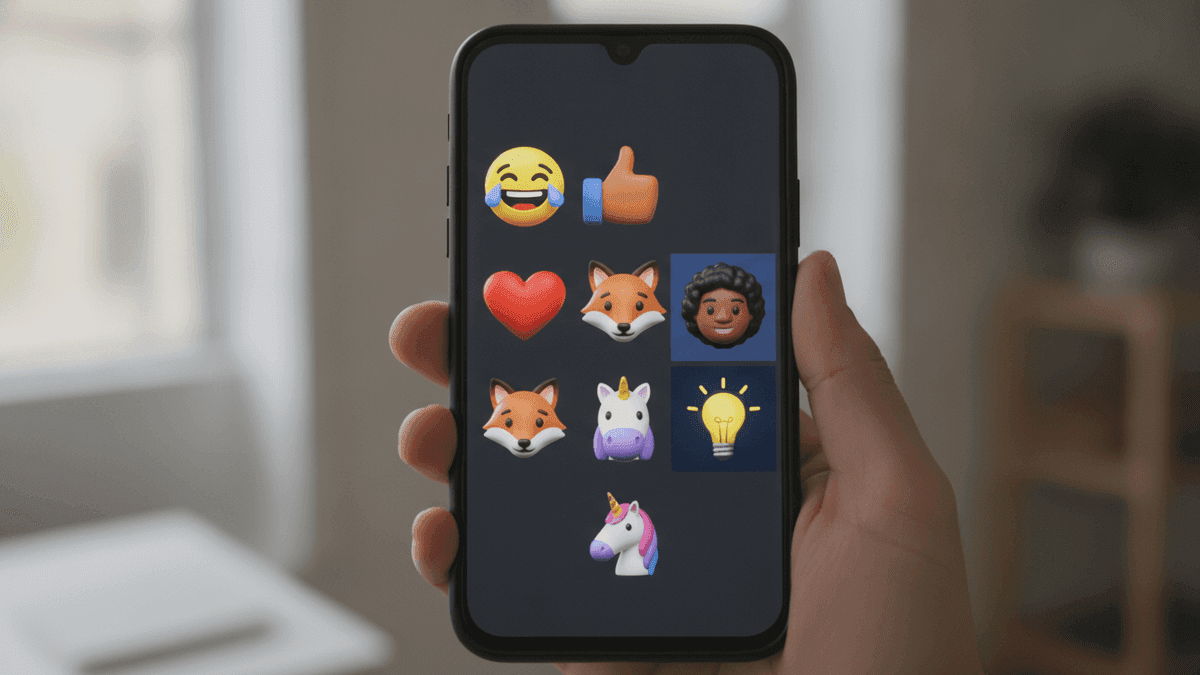
Google’s Noto 3D emojis are now open-source, transforming 3,977 designs into 3D models for wider digital expression and developer use.
🔥 Main Takeaway
Google just dropped Noto 3D, turning all 3,977 of its emojis into open-source 3D models, leveling up digital expression and giving developers new tools.
📌 What Happened?
Google officially launched Noto 3D on World Emoji Day, completely overhauling its massive 3,977-emoji library.
The update transforms flat, pixelated emojis into dynamic, three-dimensional characters, enhancing visual appeal.
These new 3D emojis will first appear on Pixel phones later this year, with a wider rollout across other Google products to follow.
Crucially, Google is making the entire 3D collection available as open-source .OBJ model files, a huge win for creators.
💰 Why It Matters
This open-source move empowers developers to integrate Google’s high-quality 3D emojis directly into their apps and platforms, potentially standardizing a new visual language.
It signals Google’s strategic play to deepen its influence over digital design, pushing 3D as the next frontier for emoji across the ecosystem.
Improved legibility and accessibility, especially for darker skin tones in dark mode, means a more inclusive user experience.
👀 What to Watch Next
Keep an eye on how quickly other platforms and developers adopt these open-source 3D assets, setting new trends in digital communication.
The rollout to Pixel phones later this year will be the first real-world test for user reception and integration across Google’s broader ecosystem.
This could kickstart a wider industry shift towards 3D elements in user interfaces, beyond just emojis, impacting future app and platform design.