







The digital air crackles with opinions. A news report, a spark. Then, a wildfire of comments erupted across the internet. Zomato, the food delivery giant, found itself at the center. The issue? User data.
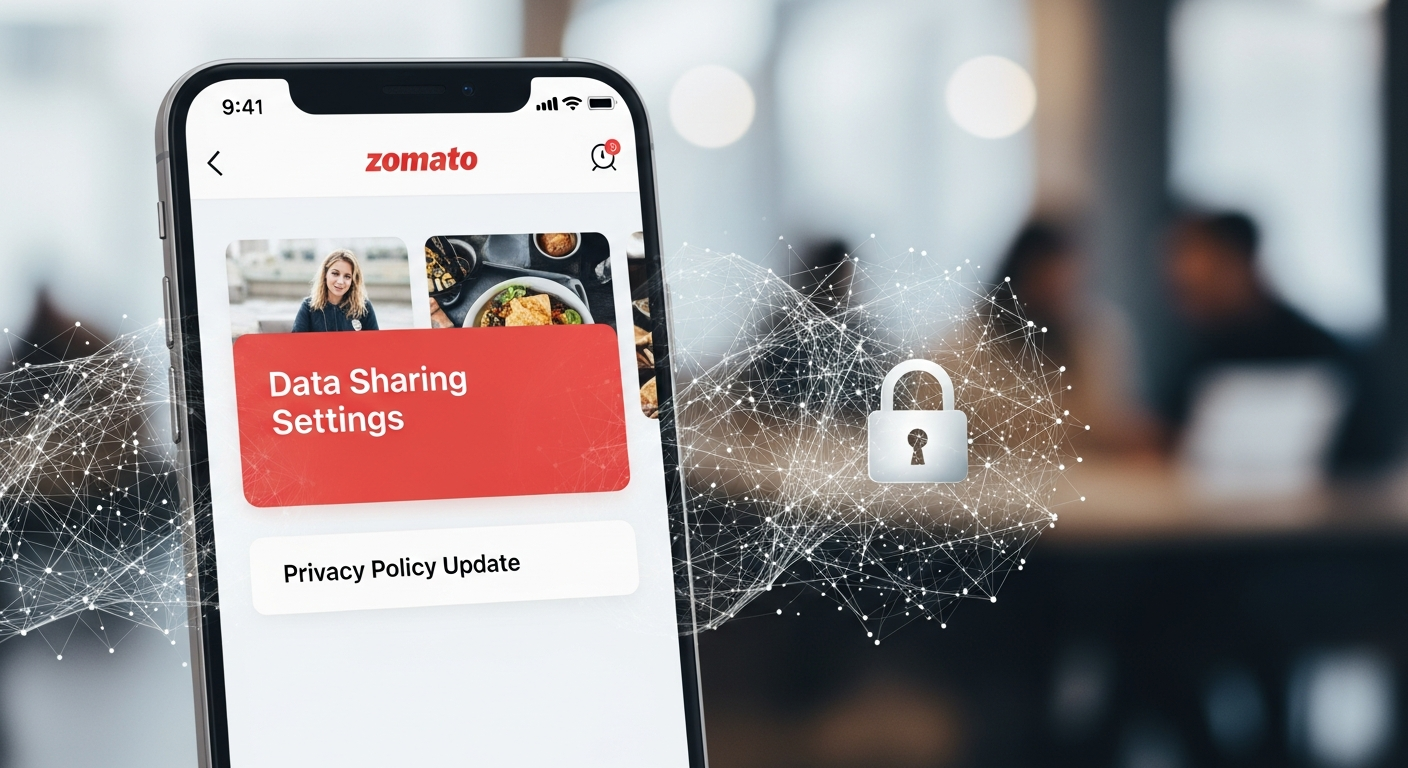
It started with plans to share customer contact details with restaurants. A standard practice, perhaps, but in today’s climate, a lightning rod. Suddenly, the how and why of data usage became the story.
Aditya Mangla, Zomato’s CEO, responded swiftly. He took to the digital town square, clarifying the company’s stance. Now, contact information would only be shared with restaurants after explicit consent. A pivot? A damage control exercise? The distinction matters.
The announcement followed a report by Inc42 Media. The article detailed the initial user data sharing plans, which triggered the online debate. The shift suggests Zomato is listening, at least to the volume of the complaints.
Consider the restaurant owner’s perspective. They want data. Email addresses, phone numbers – tools to build loyalty, drive repeat business. But, at what cost? And the customer? They’re increasingly aware. They understand their data’s value, their right to control it.
“We are committed to protecting our users’ data,” Mangla stated, according to Inc42. A carefully chosen sentence, words that aim to reassure. But trust is earned, not declared. Zomato has to show, not just tell.
This isn’t just about Zomato. It’s about the entire digital ecosystem. A constant negotiation between convenience and privacy. The rules are being rewritten, one online debate at a time. The stakes? Customer loyalty. Brand reputation. And, ultimately, survival in a competitive market.
What happens next? Expect more scrutiny. More questions. More pressure on companies to be transparent. The age of implicit consent may be ending. The age of informed consent is dawning, slowly.